
Last updated November 16, 2026
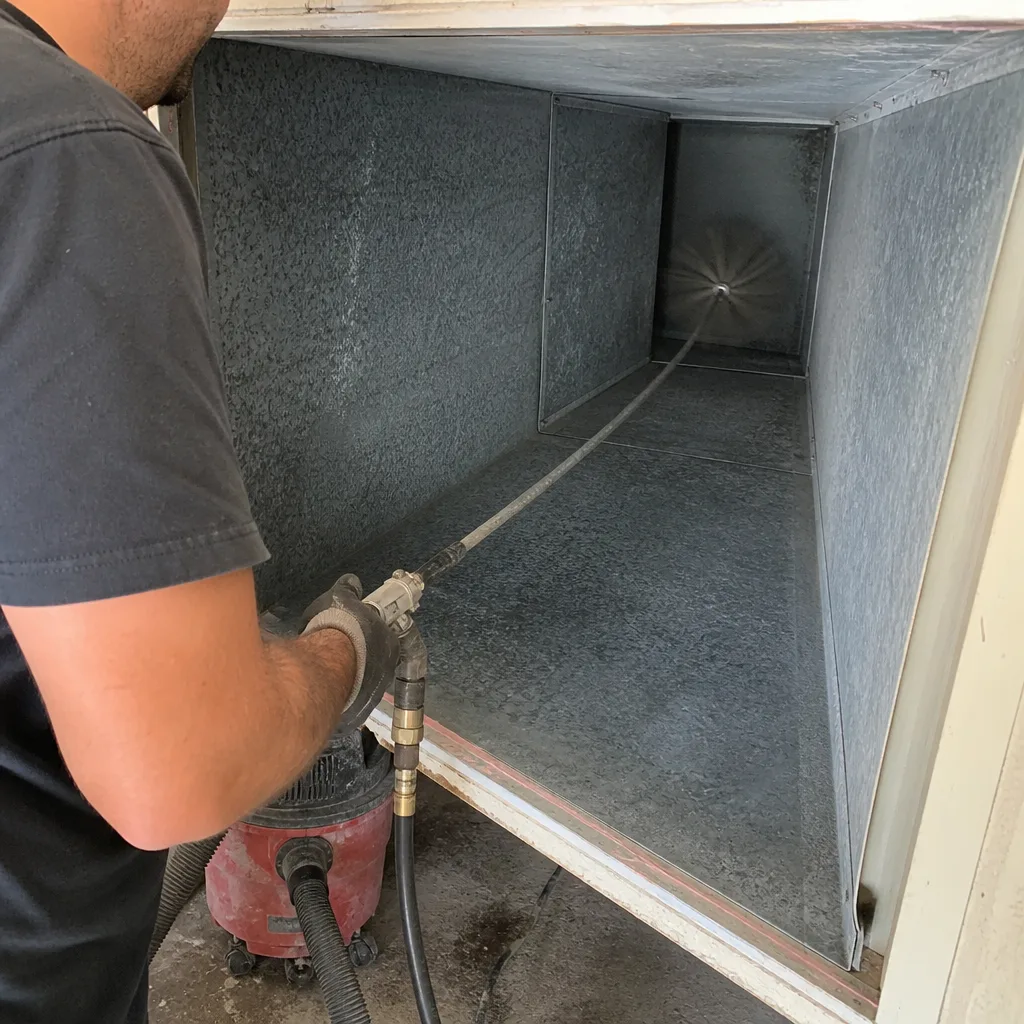
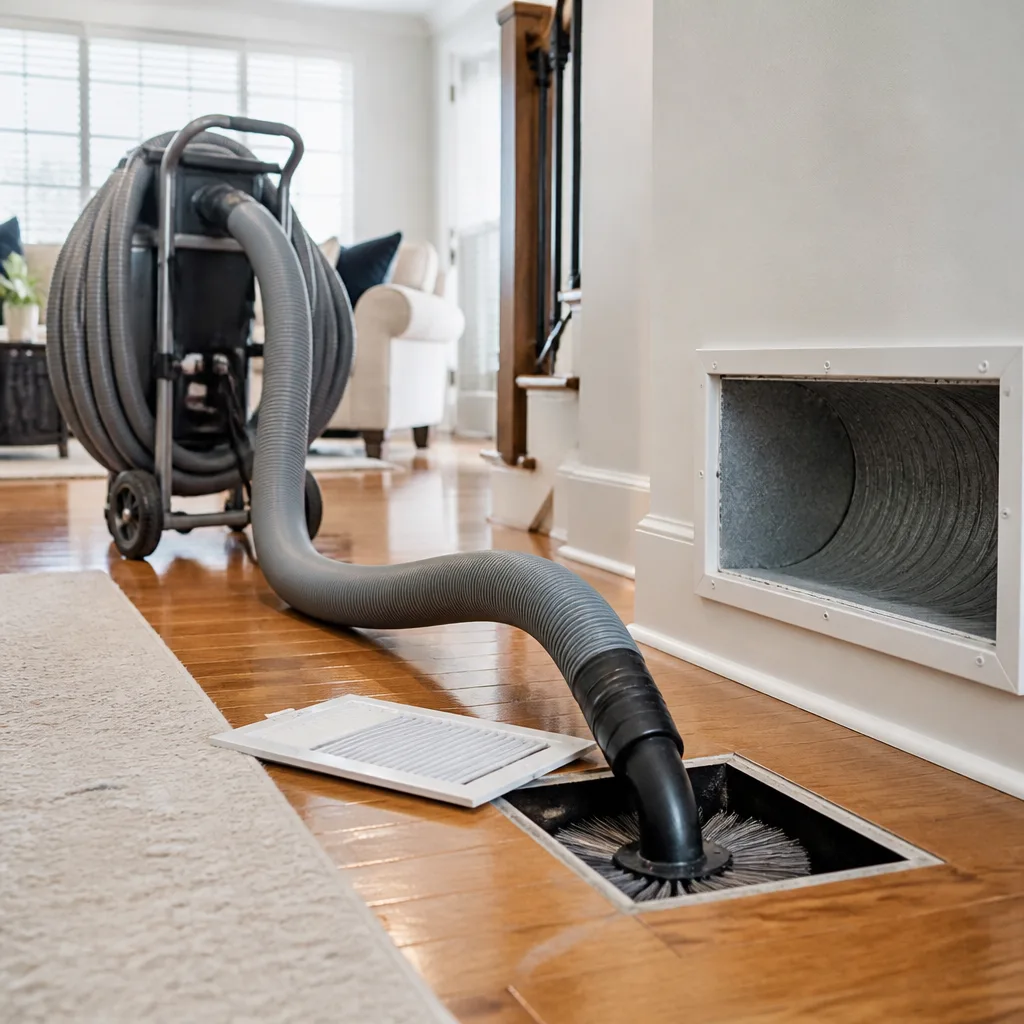 Whole-home duct cleaning
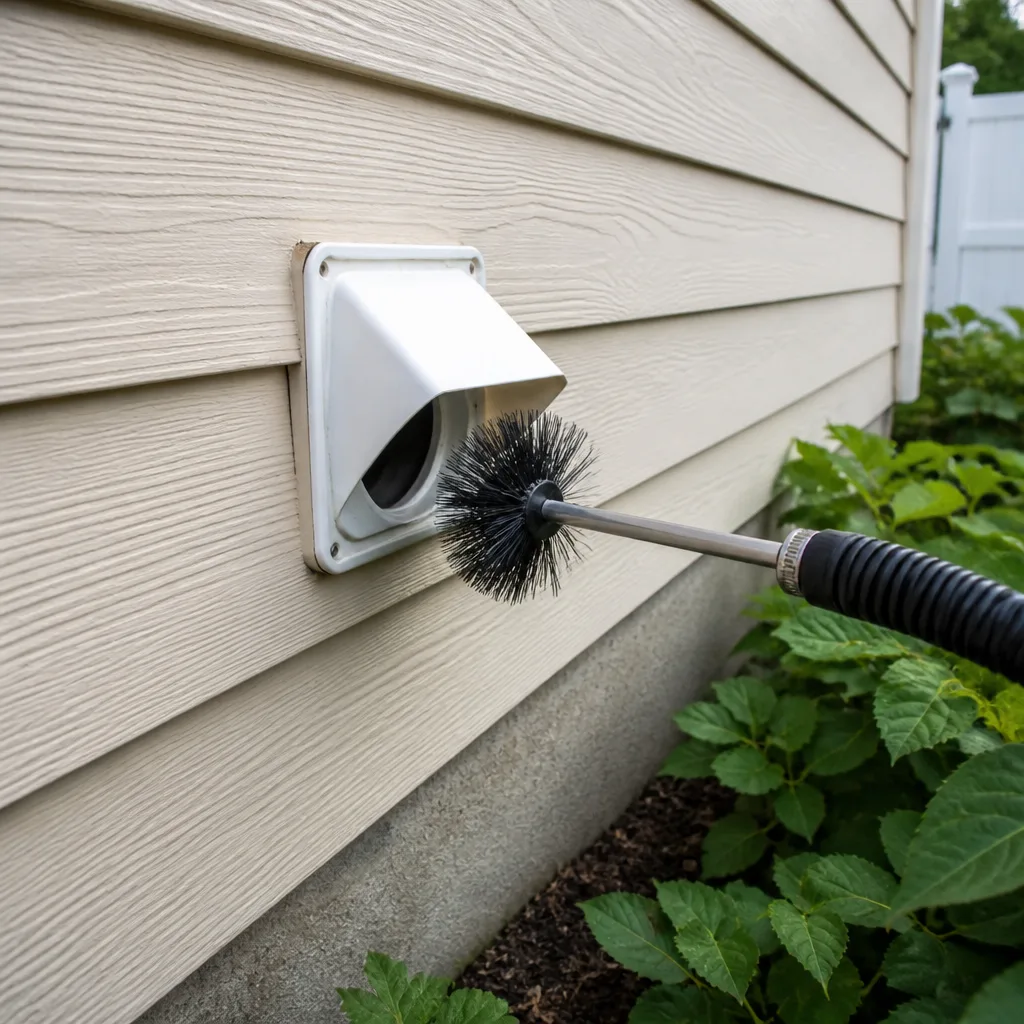 Dryer vent cleaning
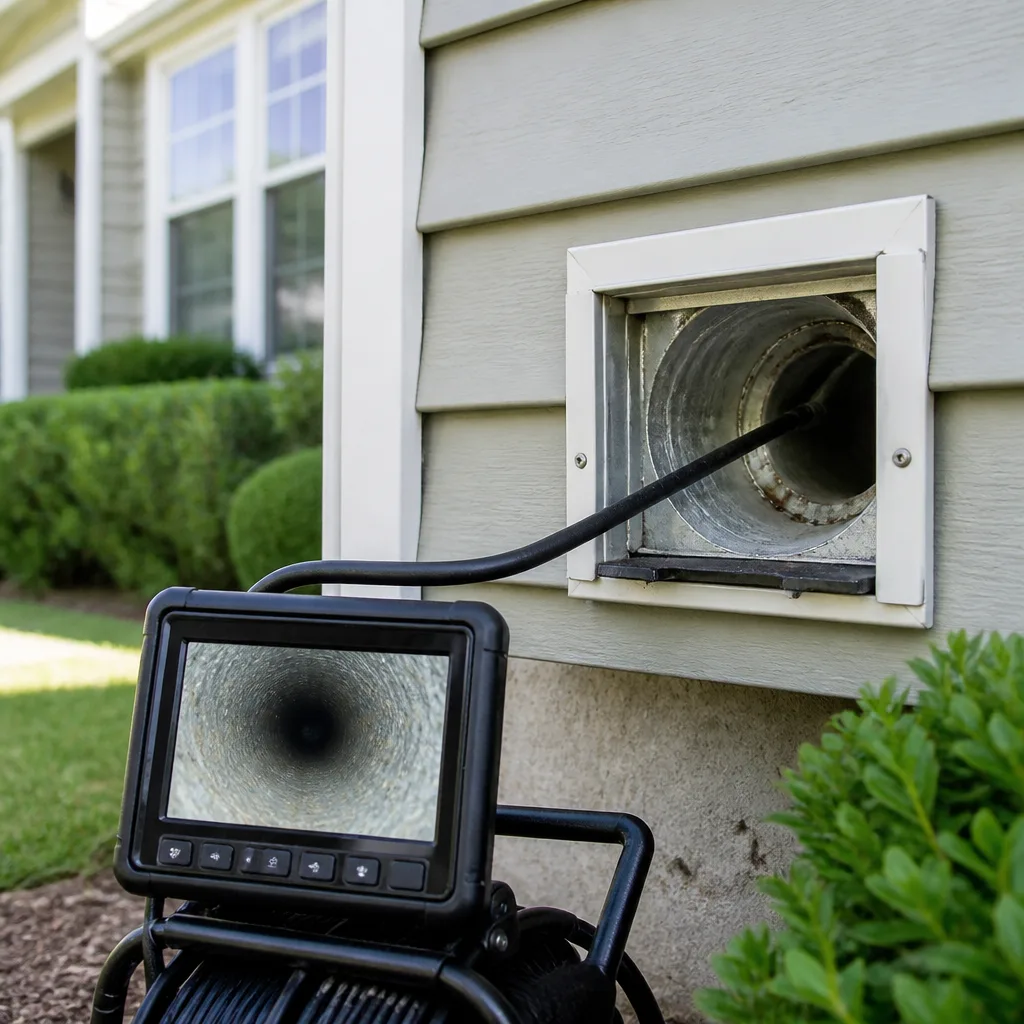 Camera inspection
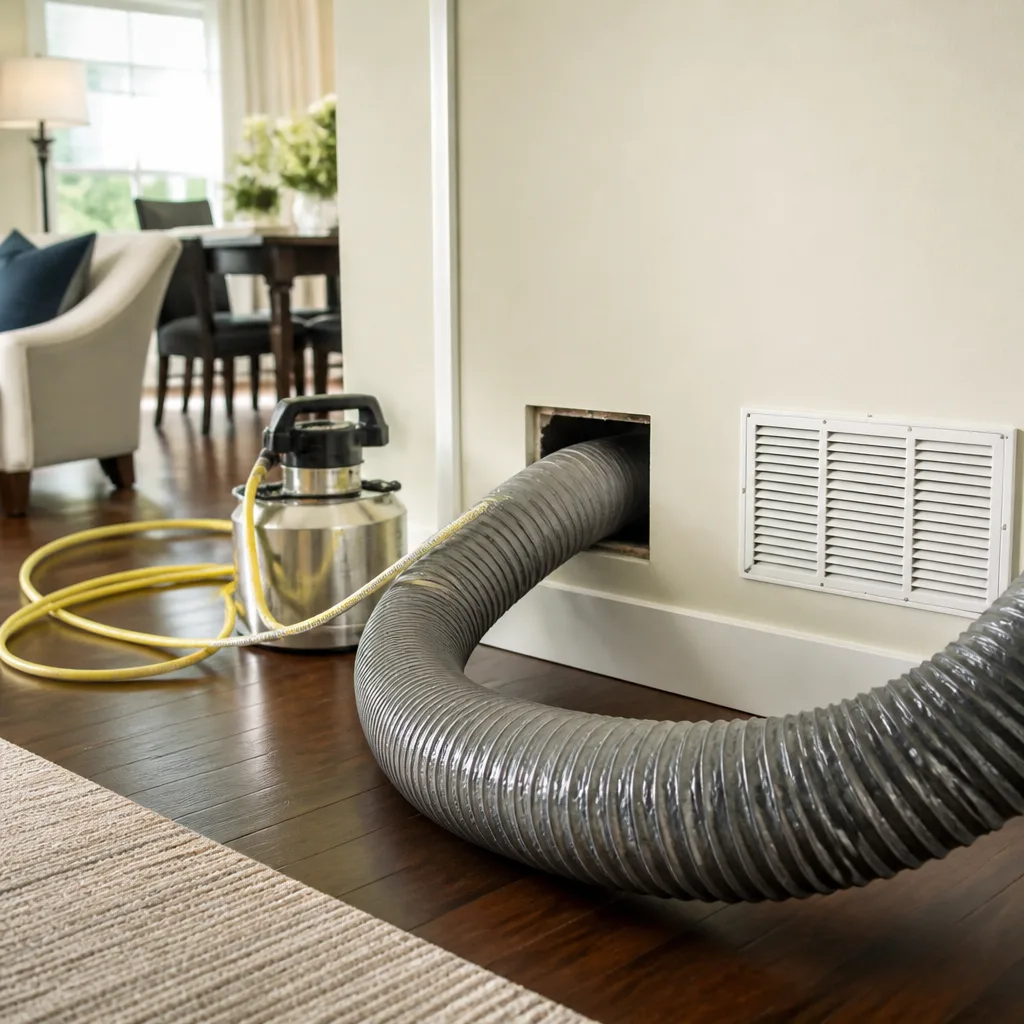 Sanitizing & deodorizing
Whole-system duct and dryer vent check with before-and-after photos - you see exactly what came out of your vents
That "$99 whole-house special" is a bait ad - the real number appears once they are in your hallway, or the "clean" is a shop-vac at the register. We photograph the inside of your ducts before and after instead.
The Complete Guide to Air Duct Cleaning in Cary
Most people assume duct cleaning is a simple vacuum job. In reality, the gap between a technician who loosens debris into the air and one who uses negative-pressure containment to capture it is the difference between cleaner air and a bigger mess. The EPA has warned that improper duct cleaning can release more contaminants than it removes, which means that bargain special may have made your indoor air worse. This guide walks you through the full process, from pre-inspection to post-verification, so you know what professional service actually looks like before anyone touches your system in Cary.
Quick Answer
Professional air duct cleaning in Cary involves source-removal of debris using negative-pressure containment, mechanical agitation with rotary equipment, and documented before-and-after verification – not just surface vacuuming. The process removes accumulated dust, pollen, and mold spores from the entire duct system while protecting your indoor air during the work. A credible contractor shows you evidence of what came out, not just a bill.
Styles & brands we work with
- Whole-home duct cleaning
- Dryer vent cleaning
- Camera inspection
- Sanitizing & deodorizing
Table of Contents
- Why Cary’s Climate Makes Duct Cleaning Different
- The Negative-Pressure Process, Step by Step
- Source-Removal Cleaning vs. Blow-and-Go
- The Equipment That Separates Professionals from Pretenders
- Post-Cleaning Verification: What You Should See
- Dryer Vent Cleaning: The Overlooked Fire Risk
- Duct Repair and the Full Duct Picture
- How Often Cary Homes Actually Need Cleaning
Why Cary’s Climate Makes Duct Cleaning Different
Cary sits in the Piedmont region of North Carolina, where the soil is heavy with clay and the summers bring sustained humidity. That combination creates a dust and mold-spore profile that differs from drier climates, and it affects how often your ducts need attention.
Clay-heavy soil means that when the ground dries and cracks in late summer, fine particulate matter becomes airborne more readily than in sandy or loamy areas. That dust finds its way into return-air intakes and settles inside ductwork. Meanwhile, the humidity that Cary sees through much of the year creates conditions where moisture can accumulate in duct systems, especially in older homes or those with poorly sealed joints. Where there’s moisture and organic dust, mold spores can take hold.
What does this mean for a Cary homeowner? It means the dust in your ducts isn’t just dust. It’s a mix of clay particulates, pollen from the region’s heavy spring tree canopy, and potentially mold spores that thrive in humid conditions. For allergy-conscious households, that’s a meaningful difference.
Homes in neighborhoods like Preston, Lochmere, and MacGregor Downs – many built during Cary’s rapid growth in the 1990s and 2000s – often have duct systems that have never been professionally cleaned. Flexible ductwork from that era can develop small tears or loose connections over time, which lets debris in and conditioned air out. The result is a system that works harder than it should and circulates more particulate matter than the homeowner realizes.
If you want a baseline understanding of what professional air duct cleaning involves in this climate, the short version is this: Cary’s humidity and soil composition mean ducts here tend to accumulate a denser, more varied mix of debris than in drier parts of the country. That makes proper source removal more important, not less.
The Negative-Pressure Process, Step by Step
Negative-pressure containment is the single most important part of professional duct cleaning, and it’s the step most budget operators skip entirely. Here’s how it works when it’s done right.
- Pre-inspection and system mapping. Before any equipment is connected, a technician inspects the duct system, identifies the number of supply and return runs, checks for damage or disconnected sections, and notes any access points that need to be created. This step determines the cleaning plan.
- Negative-pressure setup. A high-powered vacuum unit – typically a truck-mounted or portable HEPA system – is connected to the main trunk line. This creates negative pressure throughout the duct system, meaning air is being pulled toward the vacuum rather than pushed into your living space.
- Containment and filtration. Professional setups use HEPA filtration and negative-air equipment to capture fine particulates at the source. This is where systems like Abatement Technologies air filtration come in – the same equipment used in indoor air quality remediation, deployed to protect your home’s air during the cleaning itself.
- Mechanical agitation. With negative pressure established, the technician uses rotary brush systems – like the Rotobrush – to loosen debris from duct walls. The key is that agitation happens after the vacuum is running, not before. If a technician starts brushing before the vacuum is connected, debris goes into your air.
- Source removal throughout the system. Every branch line, return, and trunk section is cleaned individually. The technician works from the farthest point back toward the vacuum, ensuring debris is pulled out rather than redistributed.
- Component cleaning. Registers, grilles, and accessible components are removed and cleaned separately. The air handler and blower compartment may also be cleaned, depending on the scope of the job.
- Post-cleaning inspection. The system is inspected again to verify that debris has been removed and that no damage occurred during cleaning. This is where documented before-and-after evidence matters.
In our experience, the difference between a system that’s been properly contained during cleaning and one that hasn’t is visible immediately – in the air quality of the home and in the condition of the ducts themselves. If a contractor can’t explain how they create and maintain negative pressure before they start agitating debris, that’s a red flag.
Source-Removal Cleaning vs. Blow-and-Go
The NADCA standard for duct cleaning is source removal: physically removing contaminants from the duct system and taking them out of the home. Most budget operators don’t do this. They do what’s sometimes called “blow-and-go” cleaning – running a brush or air whip through the ducts without proper containment, which loosens debris into the air stream and can make indoor air quality worse in the short term.
Here’s the difference in practical terms:
- Source removal uses negative pressure to capture debris as it’s dislodged. Contaminants leave the system and don’t re-enter your living space. The job is verified with visual evidence.
- Blow-and-go agitates debris without adequate containment. Some of it gets pulled toward the vacuum, but a significant portion becomes airborne inside the home. The technician may run a vacuum for appearances, but without proper negative pressure, the cleaning is incomplete at best and counterproductive at worst.
Why does this matter so much in Cary? Because the dust profile here – clay particulates, pollen, and potential mold spores – is exactly the kind of material you don’t want aerosolized inside your home. A blow-and-go cleaning in a humid climate can stir up mold spores that had been settled and inactive, distributing them through the living space.
When you’re evaluating a duct cleaning quote, ask one question: “How do you maintain negative pressure throughout the system during cleaning?” A contractor who can explain the setup in detail is likely doing source removal. One who can’t is likely doing something else.
The other piece of this is scope. Source removal means cleaning the entire system – every supply run, every return, the trunk lines, and the air handler components where accessible. A “whole-house special” that takes 45 minutes isn’t source removal. It’s a surface pass.
The Equipment That Separates Professionals from Pretenders
You can learn a lot about a duct cleaning company by asking what equipment they bring. The answer tells you whether they’re set up for residential duct cleaning as a specialty or treating it as a side service.
Professional-grade duct cleaning relies on equipment built for the job:
- Rotary brush systems. The Rotobrush is an industry standard for mechanical debris removal in residential ductwork. It uses a rotating brush head on a flexible shaft to scrub duct walls, dislodging debris so it can be captured by the vacuum. Consumer-grade brushes and shop vacs don’t achieve the same result.
- HEPA vacuum systems. Nikro HEPA vacuums are built for fine particulate capture. They’re not the same as a shop vac with a filter bag. The difference shows up in what stays in the air during and after cleaning.
- Negative-air and filtration units. Abatement Technologies equipment is used in serious indoor air quality work – the kind of remediation where containment isn’t optional. Deploying that equipment in a residential duct cleaning job means the same standard of air protection applies.
- Camera inspection tools. A camera-equipped rotary system lets the technician see inside the ductwork during cleaning. This is how before-and-after evidence gets captured. A technician with a flashlight can see the first few feet of a duct; a camera can see the whole run.
We work with Rotobrush and Nikro systems because they’re purpose-built for this work. The equipment matters because the process matters – and the process is what determines whether cleaning actually improves your air quality or just moves debris around.
Beyond cleaning equipment, familiarity with air quality systems matters too. We work with products from Honeywell and Aprilaire, which means we understand how duct cleaning interacts with filtration systems, humidifiers, and other components of a home’s indoor air quality setup. If your home has a whole-house filter or air purifier tied into the HVAC system, the cleaning approach needs to account for it.
Post-Cleaning Verification: What You Should See
Here’s where most duct cleaning companies fall short: they don’t show you proof of what was done. You get a bill and a promise. A credible contractor shows you evidence.
What does post-cleaning verification look like?
- Before-and-after photos or video. Camera footage of the ductwork before cleaning and after cleaning provides visual evidence that debris was actually removed. Not a stock photo of someone else’s ducts – images of your system.
- Before-and-after comparison of the collection unit. The debris captured in the vacuum or collection system can be shown as evidence of what came out of the ducts.
- A written summary of the work performed. Which ducts were cleaned, what components were accessed, and any issues found during inspection – such as disconnected sections, damaged flex duct, or evidence of moisture.
- Recommendations for repair or follow-up. If the inspection reveals duct damage or disconnected runs, a reputable contractor will note it and explain what repair would involve. Cleaning without addressing damage leaves the system compromised.
Why does this matter? Because duct cleaning is a service you can’t easily verify on your own. You can’t see inside your ducts after the technician leaves. The camera footage and documented evidence are your only way to know the work was done as described.
Ask before you book: “Will I receive before-and-after photos or video of my ductwork?” If the answer is vague, that tells you something about how the company operates.
Dryer Vent Cleaning: The Overlooked Fire Risk
Most duct cleaning companies focus on HVAC ducts. Many don’t offer dryer vent cleaning at all, which is a problem because a clogged dryer vent is a fire hazard – one of the leading causes of residential fires. Lint accumulates in the vent line over time, and when it restricts airflow, the dryer runs hotter, which can ignite the lint.
In Cary, where many homes have dryers located away from an exterior wall – sometimes on the second floor or in an interior laundry room – the vent run can be long, which gives lint more opportunity to accumulate. A vent that runs 15 or 20 feet with multiple elbows is far more prone to clogging than a short, straight run to the exterior.
Dryer vent cleaning is a standalone service, and it’s worth treating as part of regular home maintenance rather than an afterthought. Signs that your vent needs attention:
- Clothes take longer than one cycle to dry.
- The dryer feels hot to the touch on the exterior.
- There’s a burning smell during operation.
- Lint accumulates around the dryer door or behind the unit.
- The exterior vent flap doesn’t open fully when the dryer runs, or doesn’t open at all.
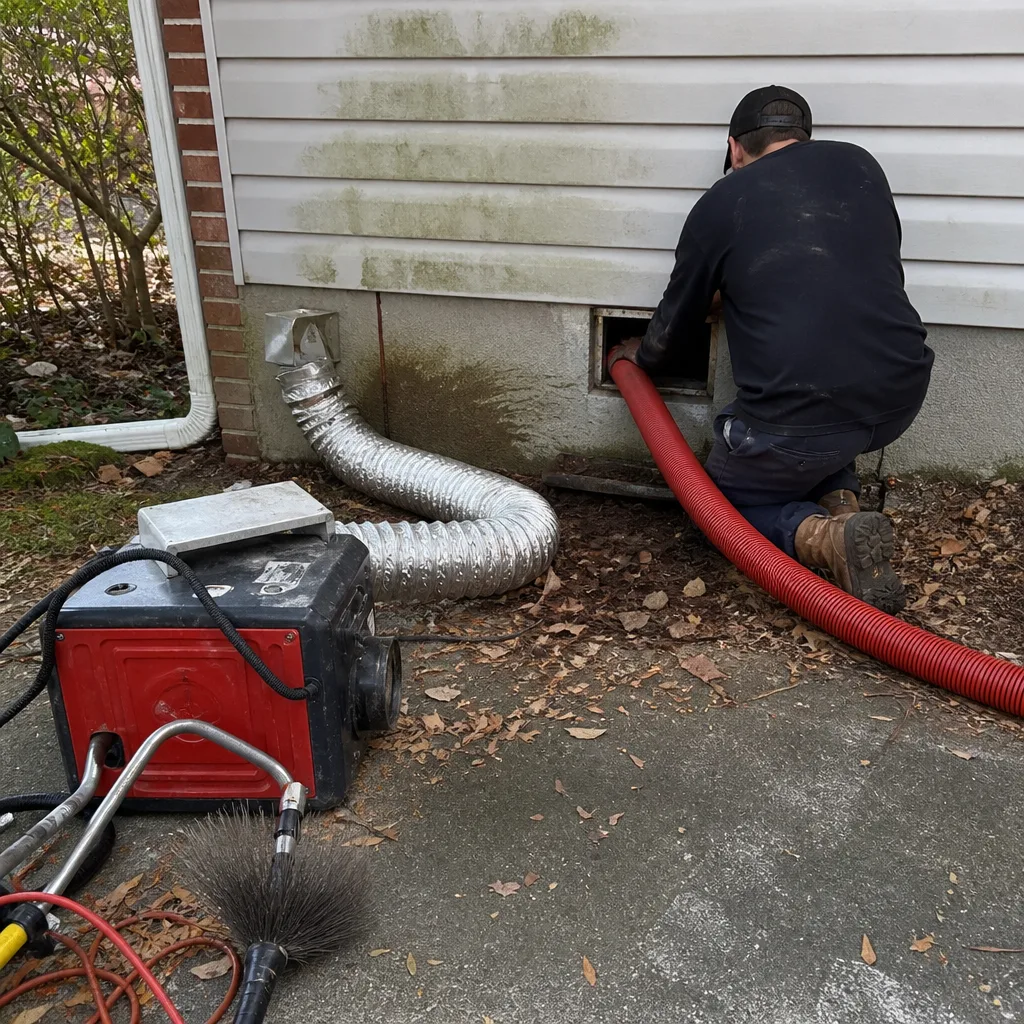
Proper dryer vent cleaning uses the same professional-grade approach as duct cleaning – agitation with a rotary brush, followed by vacuum capture. It’s not just a convenience service. It’s fire-risk reduction.
Duct Repair and the Full Duct Picture
Cleaning is only one part of duct maintenance. Duct systems develop problems over time – disconnected sections, torn flex duct, crushed runs, poorly sealed joints – and cleaning without addressing those problems leaves the system leaking air and pulling in debris.
Common duct issues we find during inspection:
- Disconnected flex duct. Flexible ductwork can come loose at joints, especially in attics or crawl spaces where temperature swings cause expansion and contraction. A disconnected run dumps conditioned air into the attic instead of into the room it’s supposed to serve.
- Crushed or kinked runs. Flex duct that’s been stepped on, compressed, or installed with tight bends restricts airflow and creates a spot where debris accumulates.
- Poorly sealed joints. Gaps at duct connections let air escape and let unconditioned air and debris enter the system. In a humid climate like Cary’s, gaps can also let moisture in, creating conditions for mold growth.
- Torn duct insulation. The insulation around duct runs can degrade, especially in unconditioned spaces. Torn insulation means heat gain in summer and heat loss in winter, both of which affect energy bills.
Duct repair is part of the full picture. When we clean a system, we inspect for these issues and explain what we find. Repairing damaged ductwork is often the difference between a system that runs efficiently and one that wastes energy and circulates more debris than it should.
We clean, clear, and repair – the full duct picture. That means we’re not a one-service company that hands off repair work to someone else. If your ducts need cleaning, drying vent clearing, or repair, you’re working with a team that handles all three.
How Often Cary Homes Actually Need Cleaning
There’s no universal answer to how often ducts need cleaning, but there are factors that push the timeline shorter in Cary specifically.
General guidelines suggest every three to five years for most homes. But in Cary, several factors can shorten that:
- Humidity and mold risk. The region’s sustained humidity means moisture can accumulate in duct systems more readily than in drier climates. Homes with any history of moisture intrusion or high indoor humidity may need cleaning more frequently.
- Pollen load. Cary’s spring tree pollen is heavy. If you keep windows open during pollen season – or if the return air intake is near an open window – pollen finds its way into the system.
- Clay dust. Fine clay particulates from the region’s soil are small enough to pass through basic filters and settle in ductwork. Homes near construction or unpaved areas accumulate dust faster.
- Allergy or respiratory concerns. If anyone in the household has allergies, asthma, or other respiratory sensitivities, maintaining cleaner ducts is a reasonable priority.
- Recent renovation or new construction. Drywall dust, sawdust, and construction debris settle in ducts during renovation. A post-renovation cleaning is worthwhile.
- New HVAC installation. When a system is replaced, the ducts should be cleaned before the new equipment goes online – otherwise the new system inherits the old system’s debris load.
- Pet ownership. Homes with pets accumulate dander and hair in the return-air system faster than homes without.
If you’re not sure when your ducts were last cleaned, a professional inspection can tell you the condition of the system. The inspection doesn’t require cleaning – it’s a diagnostic step. If you want a baseline assessment of your ducts in Cary, that’s a reasonable place to start.
Common Mistakes to Avoid
- Choosing on price alone. A quote that’s dramatically lower than others usually signals skipped steps – likely no negative pressure, no camera inspection, and a cleaning that’s more agitation than removal. The cheap cleaning can cost more in the long run if it aerosolizes debris and worsens air quality.
- Not asking about negative pressure. If a contractor can’t explain how they maintain negative pressure during cleaning, they’re probably not doing it. This is the single biggest indicator of whether cleaning will help or hurt.
- Skipping the dryer vent. In Cary homes with long dryer vent runs, lint accumulation is a real fire risk. Many duct-only companies don’t offer this service, so homeowners forget about it entirely.
- Ignoring duct damage during cleaning. Cleaning a system with disconnected or crushed ducts doesn’t fix the underlying problem. The inspection should identify damage, and the contractor should explain repair options.
- Not requesting before-and-after documentation. Without visual evidence, you have no way to know what was done. A reputable contractor expects to provide it.
- Cleaning during or immediately after a renovation without sealing the system first. Drywall dust and construction debris overwhelm the ducts. Sealing return registers during renovation prevents the worst of it, and cleaning afterward removes what got in anyway.
- Assuming a new HVAC system means clean ducts. A new air handler pushes air through the same old ducts. If those ducts are dirty, the new system just moves the debris more efficiently.
See the difference
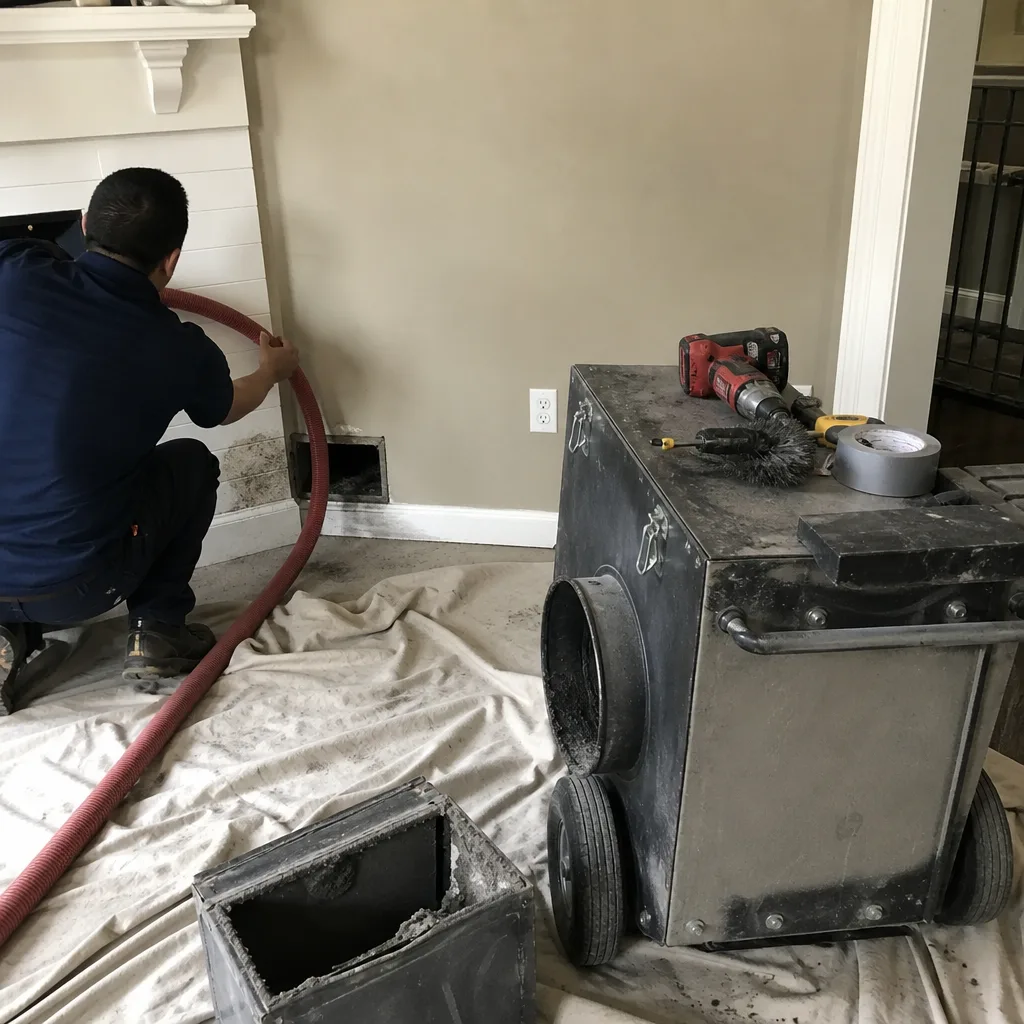 Before
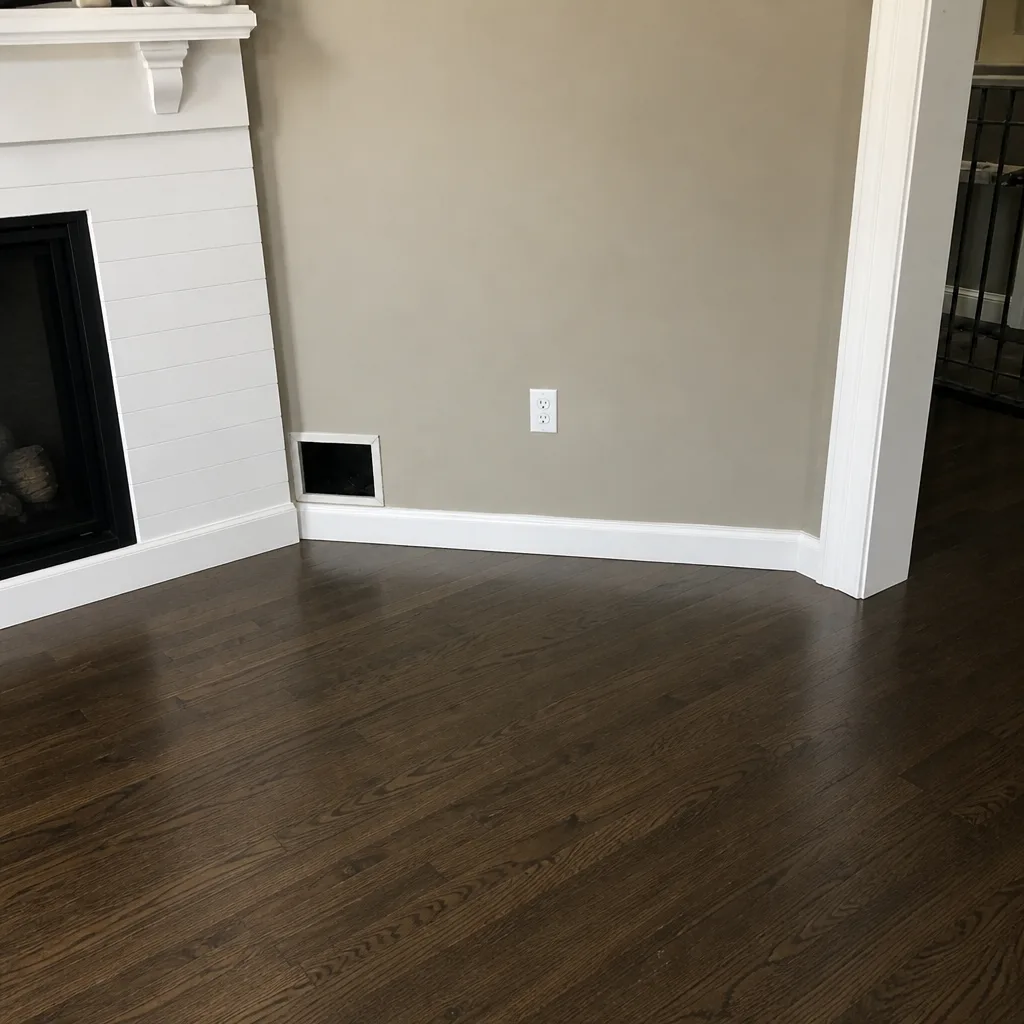 After
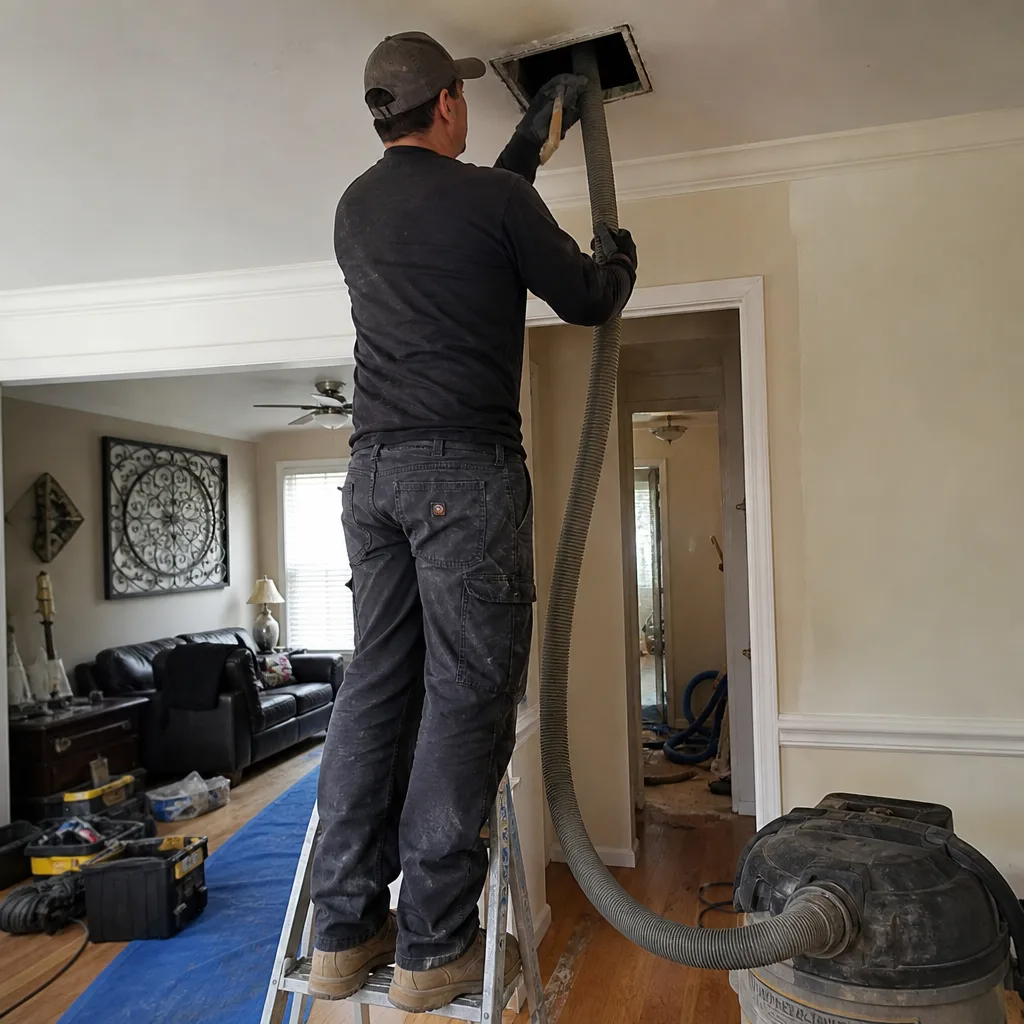 Before
 After
 Before
 After
When to Call a Professional
Some situations clearly call for a professional evaluation: visible dust blowing from registers when the system runs, a musty or stale smell when the HVAC kicks on, a recent renovation that filled the house with dust, or a new HVAC installation. If anyone in the household has allergies or respiratory concerns, a professional inspection is worthwhile as a baseline. A dryer that takes longer than one cycle to dry clothes, or a vent that doesn’t flap open fully when the dryer runs, is a fire-risk signal that should be addressed promptly.
If you’re not sure whether your ducts need cleaning, an inspection answers the question. Duct Cleaning Cary offers free estimates in Cary – call (833) 608-1198. We answer 24/7. Fast dispatch from 7am to 7pm.
Our technicians have up to 12 years of experience with professional-grade equipment. We bring the same tools used in commercial remediation into your home, and we’ll tell you exactly what we’re bringing before we arrive.
Frequently Asked Questions
Typical estimates for whole-house air duct cleaning in Cary generally fall in the $350 to $700 range, depending on the size of the system, number of vents and returns, and whether dryer vent cleaning or duct repair is included. The exact price is set by a written estimate before any work starts, so you know the total upfront. Call (833) 608-1198 for a free estimate.
Low quotes almost always mean skipped steps – no negative-pressure containment, no camera inspection, no documented before-and-after evidence, and a cleaning that takes less time than a real source-removal job requires. A bargain cleaning that agitates debris without capturing it can make indoor air quality worse. The lower price reflects a different, lesser service. Call (833) 608-1198 for a quote that reflects what professional cleaning actually involves.
A credible contractor provides before-and-after camera footage or photos of your ductwork, shows what was captured in the collection system, and gives a written summary of the work performed. If a company doesn’t offer documentation, you have no way to verify the cleaning occurred as described. Ask before booking: “Will I see evidence of the cleaning?” Call (833) 608-1198 to schedule a job with documented results.
Every three to five years is a reasonable baseline for most homes, but Cary’s humidity, heavy spring pollen, and clay-dust profile can shorten that timeline. Homes with pets, allergy sufferers, recent renovations, or long dryer vent runs may need attention more frequently. A professional inspection tells you the actual condition of your system rather than guessing from a calendar. Call (833) 608-1198 to schedule an inspection.
Yes – proper source-removal cleaning reduces the accumulation of dust, pollen, and mold spores in the duct system, which reduces what circulates through the home when the HVAC runs. In a humid climate like Cary’s, where mold spores can be part of the dust profile, the effect can be noticeable for allergy-sensitive households. The key is that the cleaning must be done with proper containment; a blow-and-go job can make symptoms worse. Call (833) 608-1198 to discuss your situation.
Duct cleaning removes debris from the HVAC system – supply runs, returns, and trunk lines – to improve air quality and system efficiency. Dryer vent cleaning removes lint from the dryer exhaust line to reduce fire risk. They’re separate services addressing separate systems, and both are worth doing. Many duct-only companies don’t offer dryer vent cleaning, leaving a fire hazard unaddressed. Call (833) 608-1198 to schedule either service.
The Bottom Line
Professional air duct cleaning in Cary is not a vacuum job. It’s a source-removal process built on negative-pressure containment, mechanical agitation with purpose-built equipment, and documented verification. The difference between a proper cleaning and a blow-and-go pass shows up in your indoor air quality, your energy bills, and your family’s comfort – especially in a climate where humidity and clay dust create a denser debris profile than drier regions. Dryer vent cleaning addresses a separate fire risk that deserves equal attention. Duct repair closes the loop by fixing the damage that lets debris in. Before anyone touches your system, ask what equipment they’re bringing and how they maintain negative pressure. The answer tells you everything.
Call (833) 608-1198 for a free estimate. We answer 24/7. Fast dispatch from 7am to 7pm, Sunday through Friday.
Written by the team at Duct Cleaning Cary.