
Last updated November 15, 2026
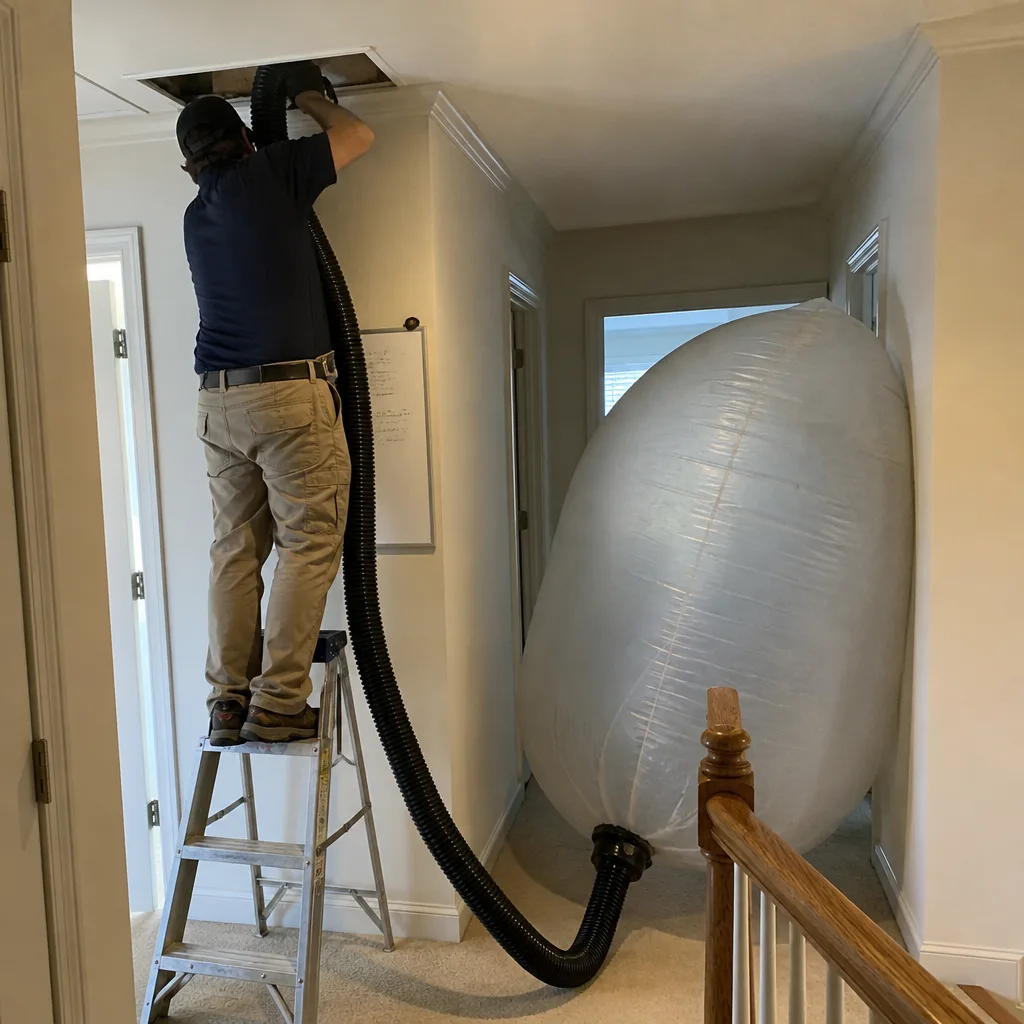
 Whole-home duct cleaning
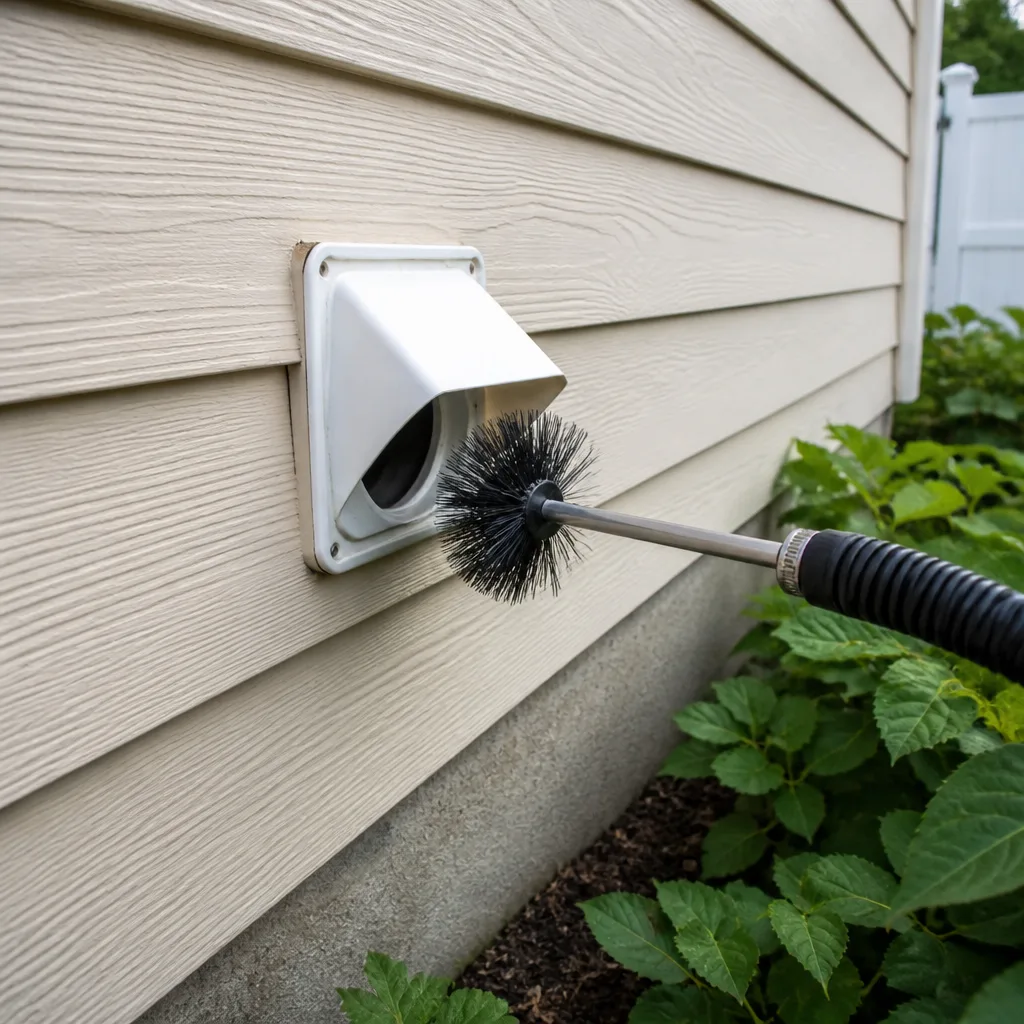 Dryer vent cleaning
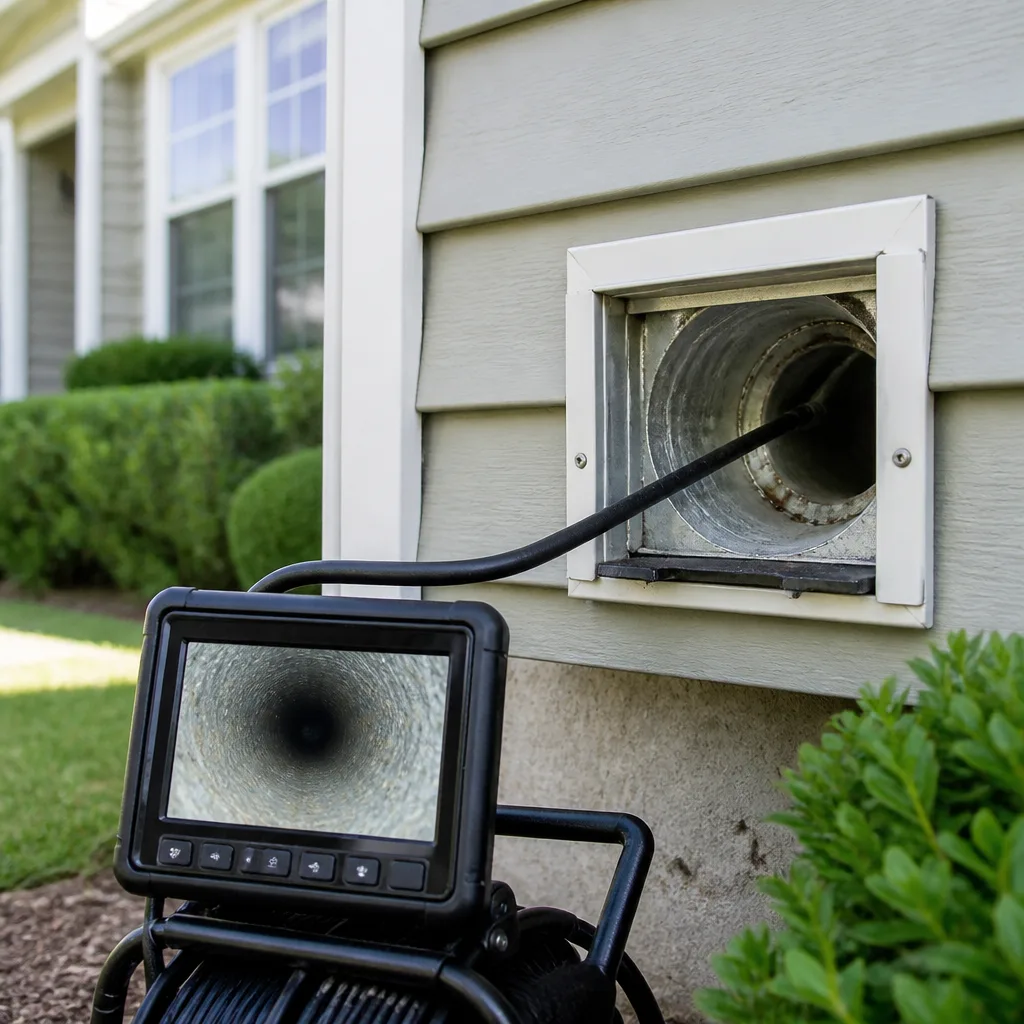 Camera inspection
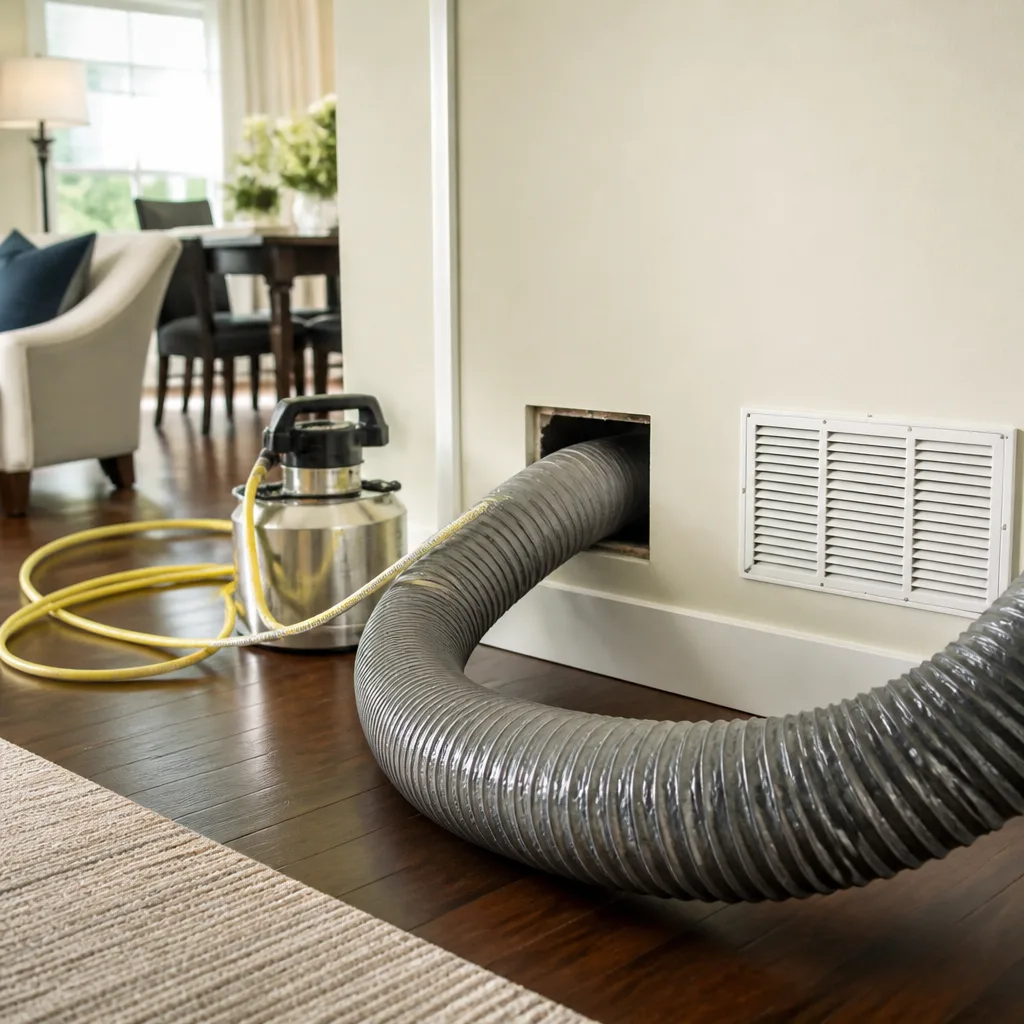 Sanitizing & deodorizing
Whole-system duct and dryer vent check with before-and-after photos - you see exactly what came out of your vents
That "$99 whole-house special" is a bait ad - the real number appears once they are in your hallway, or the "clean" is a shop-vac at the register. We photograph the inside of your ducts before and after instead.
Seasonal Air Duct Cleaning Care for Cary: Year-Round Homeowner’s Guide
Most homeowners treat duct cleaning as a calendar chore: every three to five years, whenever it comes to mind. That schedule ignores how Cary’s climate actually loads a duct system. The Research Triangle’s spring pollen season is among the most aggressive in the country, regularly ranking in the top ten highest pollen-count metros, and from March through May that botanical debris is actively filling your return ducts. Then summer humidity and long AC runs, a sealed-up fall, and a heating season full of combustion byproducts each deposit something different. We’ll walk through what each season puts into your ducts, why timing a professional cleaning around those patterns beats a generic interval, and how to build a 12-month calendar for a Cary home.
Quick Answer
The best time to schedule professional air duct cleaning in Cary is late May, right after the tree and grass pollen peak, with a second look in fall before the heat comes on. Cary’s climate stresses an HVAC system at opposite extremes of the year, so the debris inside your ducts changes with the season. Cleaning after pollen season removes the heaviest biological load before summer’s humidity can hold it against a damp cooling coil.
Styles & brands we work with
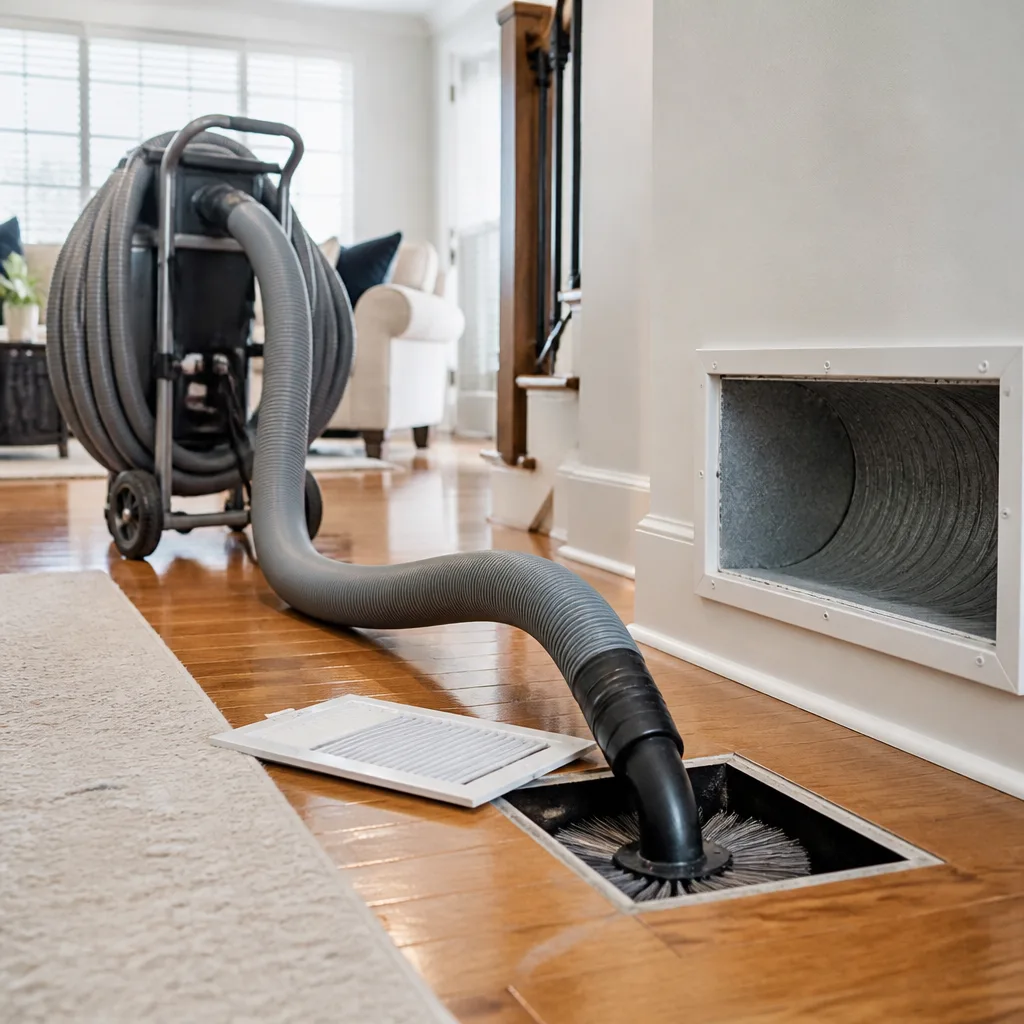
- Whole-home duct cleaning
- Dryer vent cleaning
- Camera inspection
- Sanitizing & deodorizing
Table of Contents
- Why Cary’s Seasons Don’t Stress Your Ducts Evenly
- Spring in Cary: The Pollen Load and Why Late May Matters
- Summer: Humidity, Long AC Runtime, and Coil Condensation
- Fall: When the Particulate Profile Shifts
- Winter: Heating Season and Combustion Byproducts
- Building a 12-Month Duct Calendar for a Cary Home
- What a Professional Cleaning Actually Involves
- Duct Repair: When Cleaning Isn’t the Whole Answer
Why Cary’s Seasons Don’t Stress Your Ducts Evenly
An air duct system is a passive network until a fan pushes air through it. What lands on the inside surfaces depends on what the return side pulls in and how much moisture the air carries when it passes. In Cary, those two factors swing hard from season to season.
Spring brings an enormous particulate load, almost all of it biological. Summer runs the air conditioner for long stretches, so the system moves a large volume of humid air across a cold coil. Fall flips the mix toward inorganic debris as windows close and air sealing tightens. Winter runs the furnace and pulls dust across a heat exchanger that can get hot enough to bake it onto the metal.
That’s the pattern most generic cleaning advice misses. The national three-to-five-year recommendation averages the whole country. A Cary home doesn’t experience an average climate. It experiences a pollen-heavy spring, a humid summer, and a heating season where combustion byproducts matter.
Think of it this way: the question worth asking isn’t “how often,” it’s “what’s in there right now, and what put it there?” A duct system in Cary collects a different inventory in April than it does in December. When you understand which season deposits what, you can time a cleaning to remove the heaviest, most problematic load instead of guessing at an interval.
We’ll take each season in turn, explain what’s actually happening inside the ducts, and then show how to lay that across a calendar.
Spring in Cary: The Pollen Load and Why Late May Matters
Spring is the single most important season for duct timing in Cary. The Research Triangle consistently ranks among the top ten metros in the country for pollen counts, and that isn’t a marketing line, it’s a botanical fact about the region’s tree canopy and climate. From roughly March through May, pine, oak, and other tree pollen fills the outdoor air, and your return ducts are pulling that air into the system every time the blower runs.
What does tree-pollen accumulation actually look like inside a return duct? It doesn’t look like the fine gray dust you might expect. It shows up as a yellowish-green film that clings to the duct walls and settles in the plenum, often matted where airflow is slowest. Pollen grains are sticky and slightly tacky, especially when humidity rises, so they don’t just pass through. They coat surfaces.
Here’s why late May is the highest-value timing for a professional cleaning in Cary:
- By late May, the tree pollen peak has passed, so you’re not cleaning into a system that’s still loading.
- The full spring biological load is present and can be removed in one pass.
- You clear the ducts before summer humidity arrives to hold that organic material against damp surfaces.
- You reset the system before the long cooling-season runtime begins.
If you clean in early March, you miss the peak and reload within weeks. If you wait until July, the pollen has been sitting in a humid system for a month or more. Late May sits in the sweet spot. Our technicians have up to 12 years of experience reading exactly this kind of seasonal pattern in local homes.
One practical check: pull a return grille in late May and look at the register boot and the first stretch of duct. A visible pollen film there usually means more further in. That’s a reasonable trigger to book a cleaning.
Summer: Humidity, Long AC Runtime, and Coil Condensation
Cary summers are humid, and that matters because air conditioning does two jobs at once: it cools air and it removes moisture. The evaporator coil runs cold, often below the dew point, so water condenses on it by design. The condensate drains away. But a coil that’s dirty, or a system that’s short-cycling, can let that moisture interact with dust in ways you don’t want.
When the coil surface carries a layer of dust, condensate doesn’t sheet off cleanly. It clings, and the dust becomes a damp mat. That mat is a food source for biological growth, and it also insulates the coil, which makes the system work harder. Any dust already sitting in the ducts downstream of the coil can pick up moisture too, especially where duct runs pass through unconditioned attic space.
Summer is less about adding new debris and more about what moisture does to debris that’s already there. The organic material left over from spring, if not removed, sits in a humid environment for months. That’s the risk a late-May cleaning is designed to prevent.
What to watch in summer:
- Musty or “damp basement” smells when the AC first kicks on.
- Condensate backing up or a drain pan that never fully empties.
- Visible moisture or staining near the air handler or duct connections.
- Dust that feels slightly clumped rather than loose when you wipe a register.
None of these are a reason to panic, but they’re a reason to have the system looked at. Summer is also a good time to confirm the return side is sealed, because humid attic air leaking into a return duct adds moisture load the coil then has to remove.
Fall: When the Particulate Profile Shifts
Fall is a transition, and the most useful thing to understand about it is that the type of debris changes. Through spring and summer, most of what enters the system is biological: pollen, mold spores, the fine organic dust that comes with an active outdoor environment. As fall arrives and homes seal up for heating season, the profile flips toward inorganic material.
Windows close. Doors stay shut against cooler mornings. The air infiltrating the house now comes largely through the HVAC system and through gaps in the building envelope rather than through open windows. That shift changes what the return ducts pull in:
- Construction and renovation dust, more common in a growing metro like Cary where new builds and remodels are constant.
- Insulation fibers, especially in older homes or after attic work.
- Drywall and concrete dust tracked in and then lifted into the return.
- Pet hair and skin cells that accumulate faster in a sealed house.
Fall is the right time to look at the system before heating season, because whatever is sitting in the ducts will get pushed through the house once the furnace runs. It’s also a smart moment for a return-side inspection, since sealing gaps now keeps colder, dustier outdoor air out of the return all winter.
The practical takeaway: if you cleaned in late May, fall is a check-in rather than a full second cleaning. If you didn’t clean in spring, fall is your second-best window, because you’re removing the accumulated summer and fall load before the heat comes on. Either way, the goal is the same: start heating season with clean ducts.
Winter: Heating Season and Combustion Byproducts
Winter is when indoor air quality concerns concentrate. Two things happen at once: the house is sealed tight against the cold, and the heating system runs constantly. If that system is a gas furnace, combustion is part of the picture, and combustion byproducts are the most serious air quality issue a residential duct system can carry.
This is where we get direct about safety. A gas furnace that isn’t venting and drafting correctly can introduce carbon monoxide and other combustion byproducts into the living space. That’s not a duct-cleaning problem to solve with a brush. If you smell combustion odors, see soot, or your carbon monoxide alarm has ever sounded, stop and call a licensed HVAC technician before anything else. Duct cleaning is not a substitute for furnace inspection and venting checks.
What duct cleaning does address in winter is the dust that accumulates on and around the heat exchanger and in the return. Over a heating season, that dust gets pulled across a hot surface. Dust baked onto a heat exchanger reduces efficiency and, in some cases, can produce odors when the system fires up. Keeping the return side clean reduces how much dust ever reaches that surface.
Winter also concentrates the effect of any leaks. A sealed house recirculates the same air repeatedly, so fine particulate that would otherwise disperse stays in circulation. That’s why fall sealing and a clean return matter going into winter, and why allergy-conscious households benefit most from getting this right.
If your home uses a gas furnace, a heating-season tune-up from a qualified HVAC technician paired with clean ducts is the combination that actually protects indoor air. We handle the duct side; a licensed technician handles the combustion side.
Building a 12-Month Duct Calendar for a Cary Home
A useful maintenance calendar for a Cary home is built around the local climate, not a generic interval. Here’s how to lay one out across the year, using the seasonal patterns above.
- March to May: Let pollen season run. Don’t clean mid-peak. Instead, monitor returns and note when the pollen film appears.
- Late May: Schedule the primary professional cleaning. This removes the full spring biological load before summer humidity sets in.
- June to August: Watch for musty odors, condensate issues, and clumped dust. Confirm return ducts are sealed. Address any moisture problems promptly.
- September to October: Inspect for the inorganic shift: construction dust, insulation fibers, pet hair. Seal gaps in returns and the envelope before heating season.
- November to February: Heating season. Keep returns clean, watch for combustion odors, and schedule a furnace inspection with a licensed HVAC technician if you have a gas system.
- Annually: Reassess. A cleaning in late May plus a fall inspection is the baseline; a home with pets, allergies, recent renovations, or heavy occupancy may need the fall check-in to become a second cleaning.
Why not just follow the three-to-five-year national average? Because that figure averages climates that don’t look like Cary’s. A home in a dry, low-pollen region accumulates differently than one under a top-ten pollen metro. The interval isn’t wrong, it’s just not specific. Your calendar should reflect the actual load your system sees.
The single highest-leverage decision in the whole calendar is the late-May cleaning. Get that one right and the rest of the year is monitoring and small corrections.
What a Professional Cleaning Actually Involves
Duct cleaning is only as good as the equipment behind it. A shop vac and a hand brush can knock dust loose, but loose dust is a problem, not a solution, unless it’s captured. The professional standard is mechanical agitation combined with high-volume negative pressure and HEPA filtration. That’s the setup we use.
Here’s what a proper cleaning looks like, step by step:
- Set up negative air and filtration. We deploy Abatement Technologies air filtration, the same negative-air and HEPA equipment used in serious indoor air quality remediation, to protect the indoor air while work is underway.
- Agitate the duct surfaces. We use the Rotobrush rotary cleaning system, the industry standard for thorough mechanical debris removal, to break material loose from duct walls and the plenum.
- Capture fine particulate. Nikro HEPA vacuuming captures fine particulate that agitation releases, so it leaves the system rather than the air in your home.
- Clean the components that matter. Registers, grilles, return boots, the plenum, and the air handler area all get attention, not just the straight runs.
- Document the result. Before-and-after photos of your own ducts show what came out and what the system looks like afterward.
The point of naming the equipment is simple: professional-grade equipment, residential pricing. If a company can’t tell you what it’s bringing, that’s worth asking about. Ask us what equipment we’re bringing and we’ll tell you exactly.
We also work with Honeywell and Aprilaire air quality systems, which matters because duct cleaning and whole-home filtration interact. If your home has a media filter or a humidifier tied into the ductwork, the cleaning has to account for it. Fluency across the HVAC and IAQ product landscape keeps the cleaning from damaging components that were installed to help.
Duct Repair: When Cleaning Isn’t the Whole Answer
Cleaning removes what’s in the ducts. It doesn’t fix ducts that are leaking, disconnected, or crushed. In Cary homes, especially older ones or those that have had attic or renovation work, duct problems are common enough that a cleaning visit often turns up something a brush can’t solve.
The most common issues we find:
- Disconnected or separated joints at flex duct connections, which leak conditioned air into attics and crawlspaces.
- Crushed or kinked flex runs where ducts were stepped on or compressed during other work.
- Unsealed seams and register boots that pull in dust and humid outdoor air.
- Torn duct insulation, which reduces efficiency and can shed fibers into the airstream.
If a return is pulling air from an attic or crawlspace through a gap, cleaning the duct won’t stop the problem from coming back. Sealing and repairing the duct is what makes the cleaning last. That’s why we treat cleaning, dryer vent clearing, and duct repair as one connected system rather than a one-service-and-out operation.
And one separate hazard worth naming: your dryer vent. Lint accumulation in a dryer vent is a leading cause of residential fires, and it’s a risk most duct-only companies never look at. Dryer vent cleaning is a standalone service we offer, and it belongs on the same annual calendar as everything else. If you haven’t had your dryer vent cleared, that’s a safety issue worth acting on independently of your duct schedule.
Common Mistakes to Avoid
- Cleaning in the middle of pollen season. A cleaning in March or early April in Cary cleans into a system that’s still loading. Wait until late May when the peak has passed, so the cleaning captures the full load instead of half of it.
- Following the national three-to-five-year average blindly. That figure averages climates that don’t look like Cary’s. A home under a top-ten pollen metro with a humid summer accumulates faster than the national average suggests.
- Ignoring the moisture side in summer. A musty smell when the AC starts is a signal, not background noise. Dust plus moisture in the system is the combination that turns into a real problem.
- Skipping the fall sealing check. Cleaning in May and then letting return leaks pull construction dust and insulation fibers in all winter undoes much of the benefit. Seal before heating season.
- Treating gas furnace concerns as duct concerns. Combustion byproducts and carbon monoxide are a licensed HVAC technician’s territory. Duct cleaning doesn’t fix venting, and it isn’t a substitute for a furnace inspection.
- Booking a company that can’t name its equipment. A shop vac and a brush isn’t professional cleaning. Ask what filtration and agitation systems a company uses before you book, and expect a straight answer.
- Forgetting the dryer vent. Lint buildup in a dryer vent is a fire risk and sits outside a duct-only scope. Put it on the same annual calendar as your duct cleaning.
See the difference
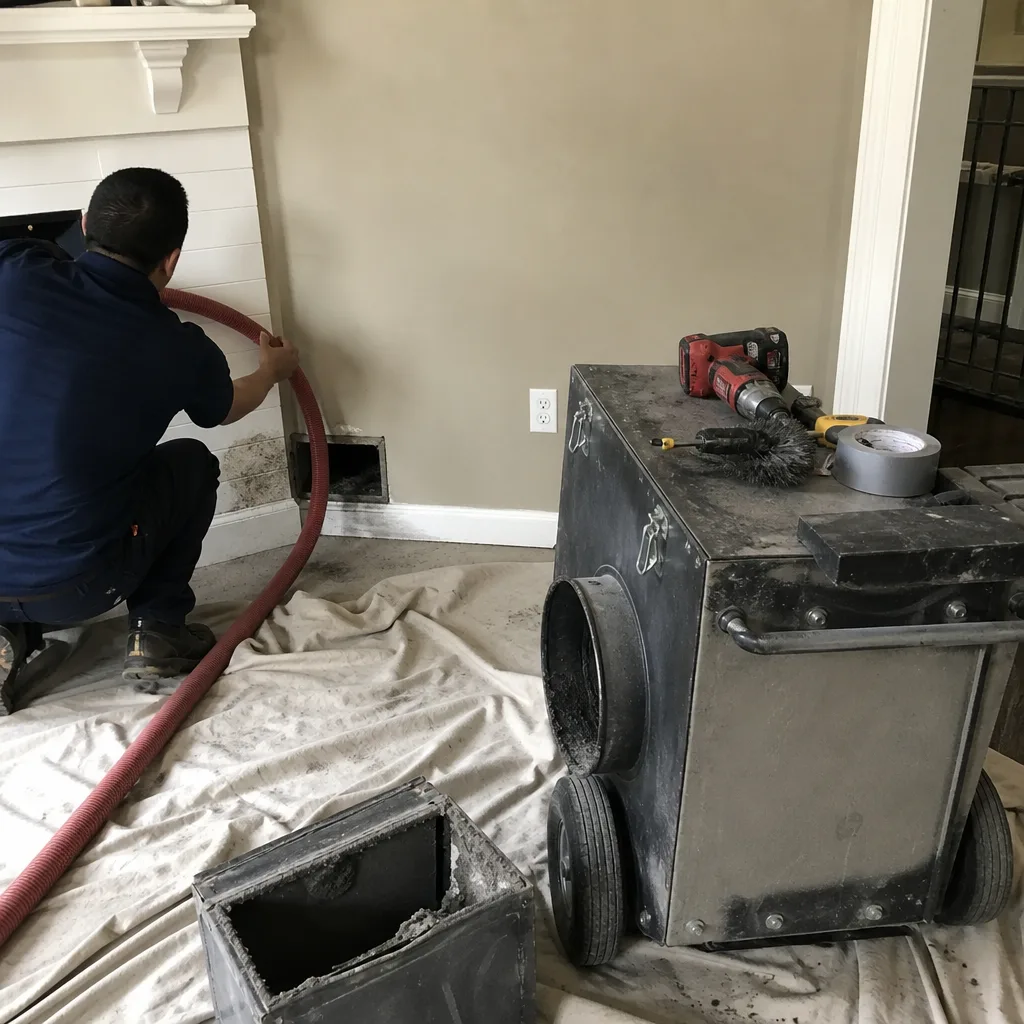 Before
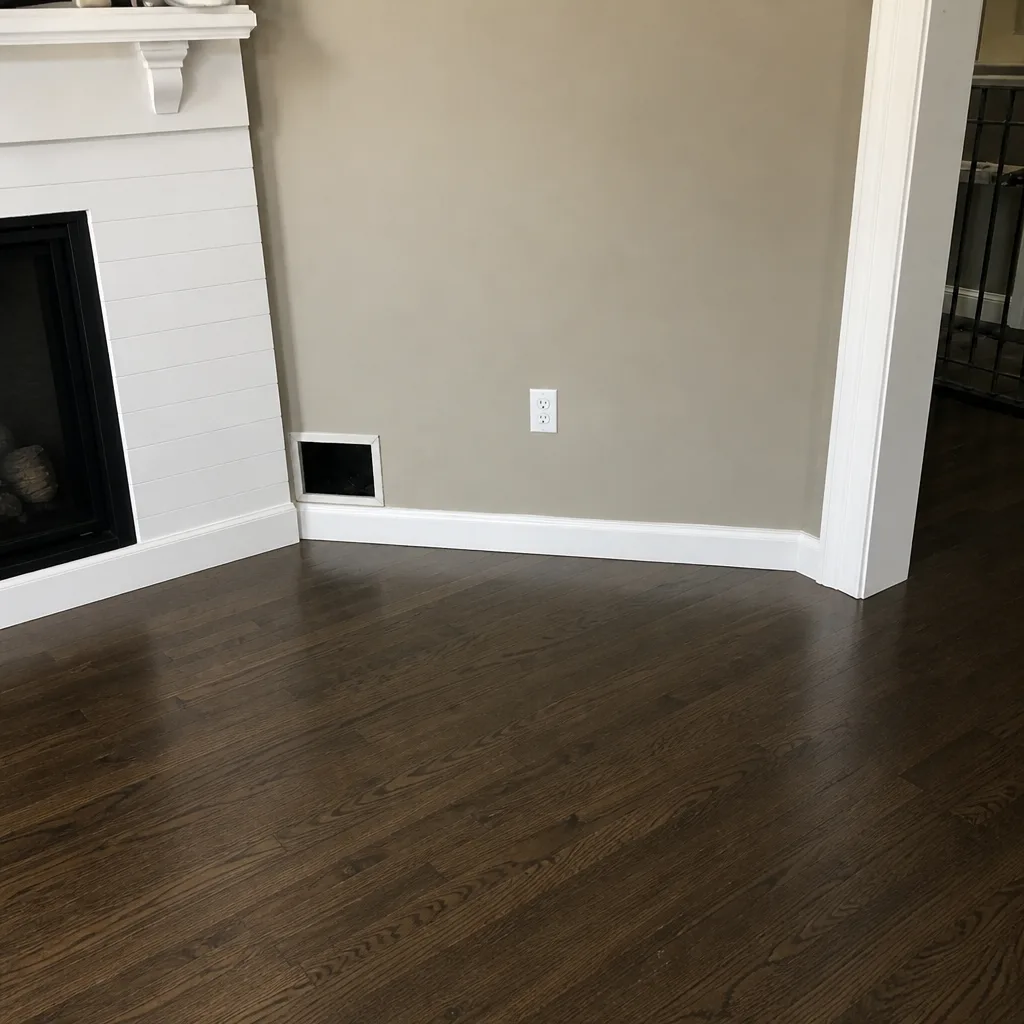 After
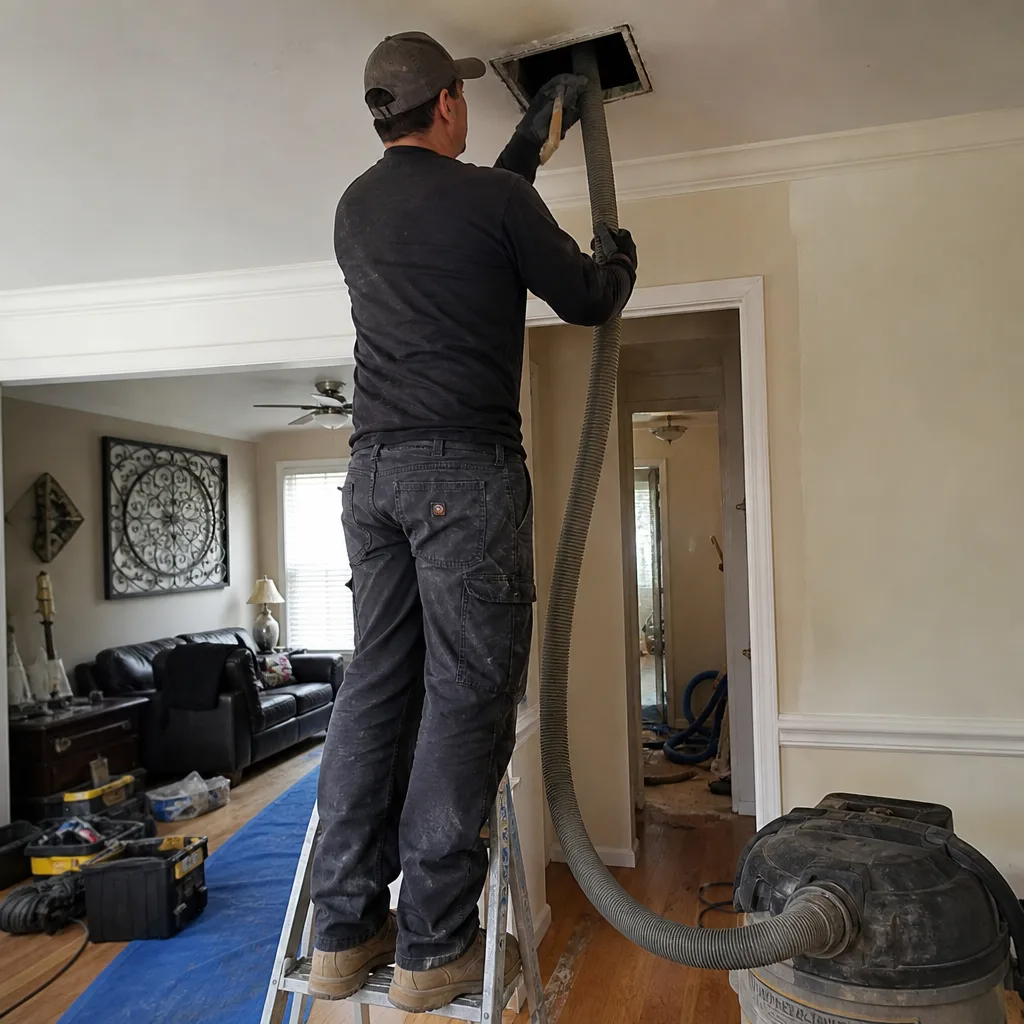 Before
 After
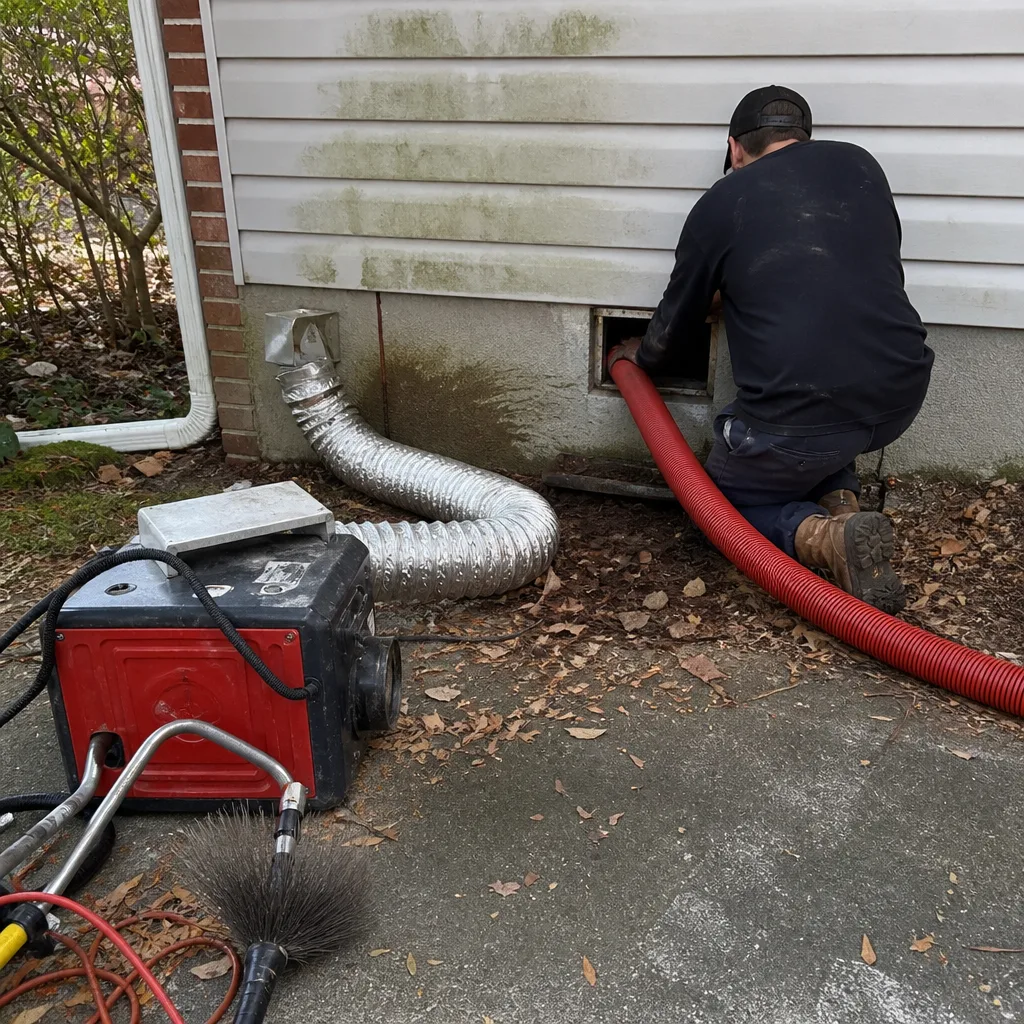 Before
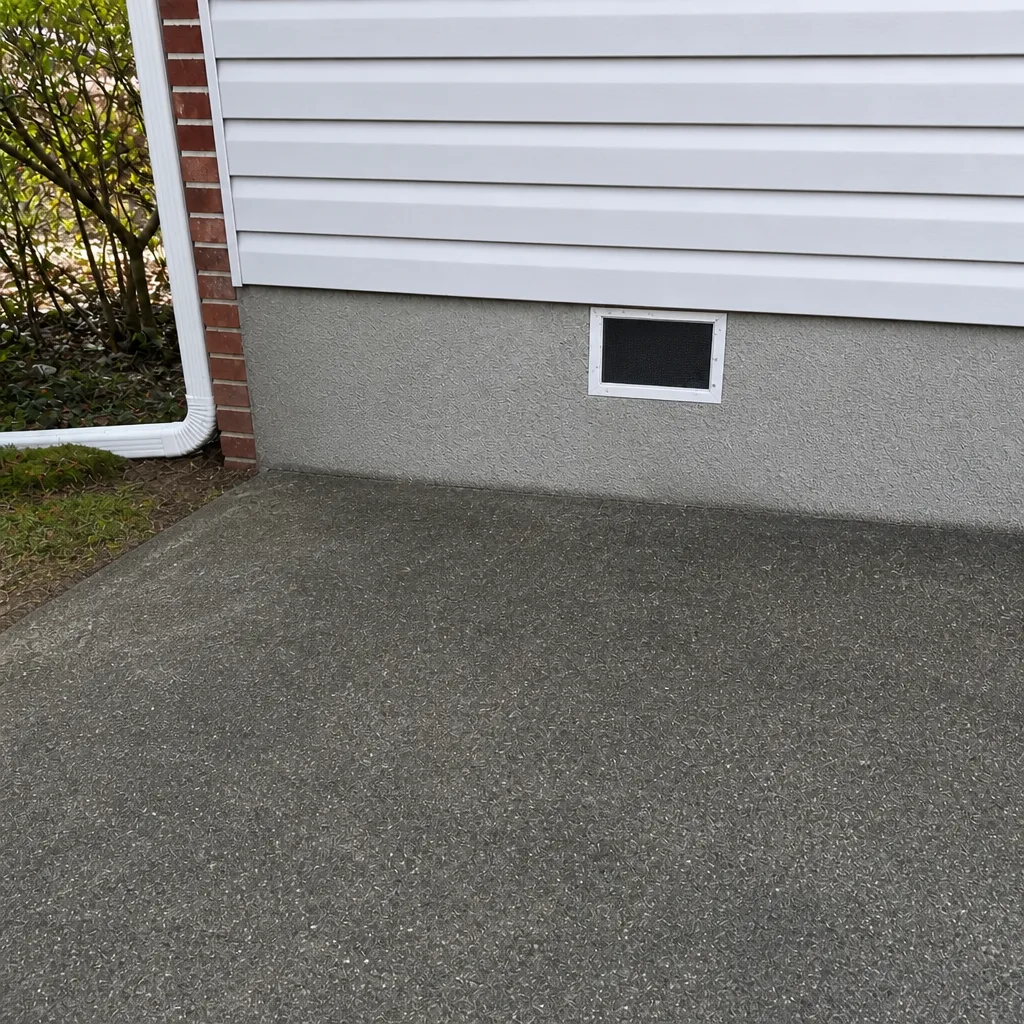 After
When to Call a Professional
Some situations call for a professional rather than more monitoring. If you see visible pollen or dust film on return registers in late May, that’s your cue to book. If you notice musty odors when the AC kicks on, clumped dust, or moisture near the air handler or duct connections, have the system inspected. If you’ve just finished a renovation or attic work, the inorganic dust load is worth a cleaning. If a gas furnace is involved and you smell combustion odors or see soot, call a licensed HVAC technician first; that’s a safety issue, not a cleaning one.
Duct Cleaning Cary offers free estimates in Cary. Call (833) 608-1198. We answer 24/7. Fast dispatch from 7am to 7pm, Sunday through Friday. We’ll tell you what equipment we’re bringing and give you a written estimate before any work starts.
Frequently Asked Questions
Most Cary homes do best with a primary cleaning in late May, after the pollen peak, plus a fall inspection before heating season. The national three-to-five-year average is a starting point, but Cary’s top-ten pollen load and humid summers mean the schedule should follow the local climate. Homes with pets, allergies, or recent renovations often benefit from a second cleaning in fall.
Late May is the highest-value timing because the tree pollen peak has passed but summer humidity hasn’t arrived. Cleaning then removes the full spring biological load before the humid cooling season can hold it against damp surfaces. Cleaning earlier misses the peak; cleaning later leaves pollen sitting in a humid system for weeks. Call (833) 608-1198 for a free estimate.
Yes. Summer humidity and long AC runtime create condensation at the cooling coil, and any dust on the coil or in the ducts can pick up moisture. That damp environment is what turns ordinary dust into a musty-smelling mat. Keeping the system clean and the condensate draining properly is the way to prevent it.
No. Combustion byproducts and carbon monoxide are a licensed HVAC technician’s concern, and duct cleaning doesn’t fix venting or furnace operation. If you smell combustion odors, see soot, or your CO alarm sounds, call a licensed HVAC technician first. Duct cleaning addresses the dust side of winter air quality, not the combustion side.
Ask for before-and-after photos of your own ducts. Professional cleaning with rotary agitation and HEPA capture produces visible results, and you should see them. We provide photos from your system, not stock images, and a written estimate sets the price before work begins. Call (833) 608-1198 to schedule.
Yes. Dryer vent cleaning is a standalone service we offer, and it addresses a leading cause of residential fires that many duct-only companies overlook. Lint buildup in a dryer vent is a safety hazard worth clearing independently of your duct schedule. Call (833) 608-1198 for a free estimate.
The Bottom Line
Cary’s climate doesn’t load your ducts evenly, so a generic cleaning interval doesn’t fit. Spring brings an aggressive pollen load that’s best removed in late May. Summer turns that debris into a moisture problem if it’s left in place. Fall shifts the mix toward inorganic dust as homes seal up. Winter concentrates everything and adds the combustion-byproducts concern that belongs with a licensed HVAC technician. Build a calendar around those seasons: a primary late-May cleaning, a fall inspection and sealing check, heating-season vigilance, and a dryer vent on the same schedule. That’s how you get the most out of every cleaning instead of guessing at an interval. For a free estimate in Cary, call (833) 608-1198. We answer 24/7. Fast dispatch from 7am to 7pm, Sunday through Friday.
Written by the team at Duct Cleaning Cary.