
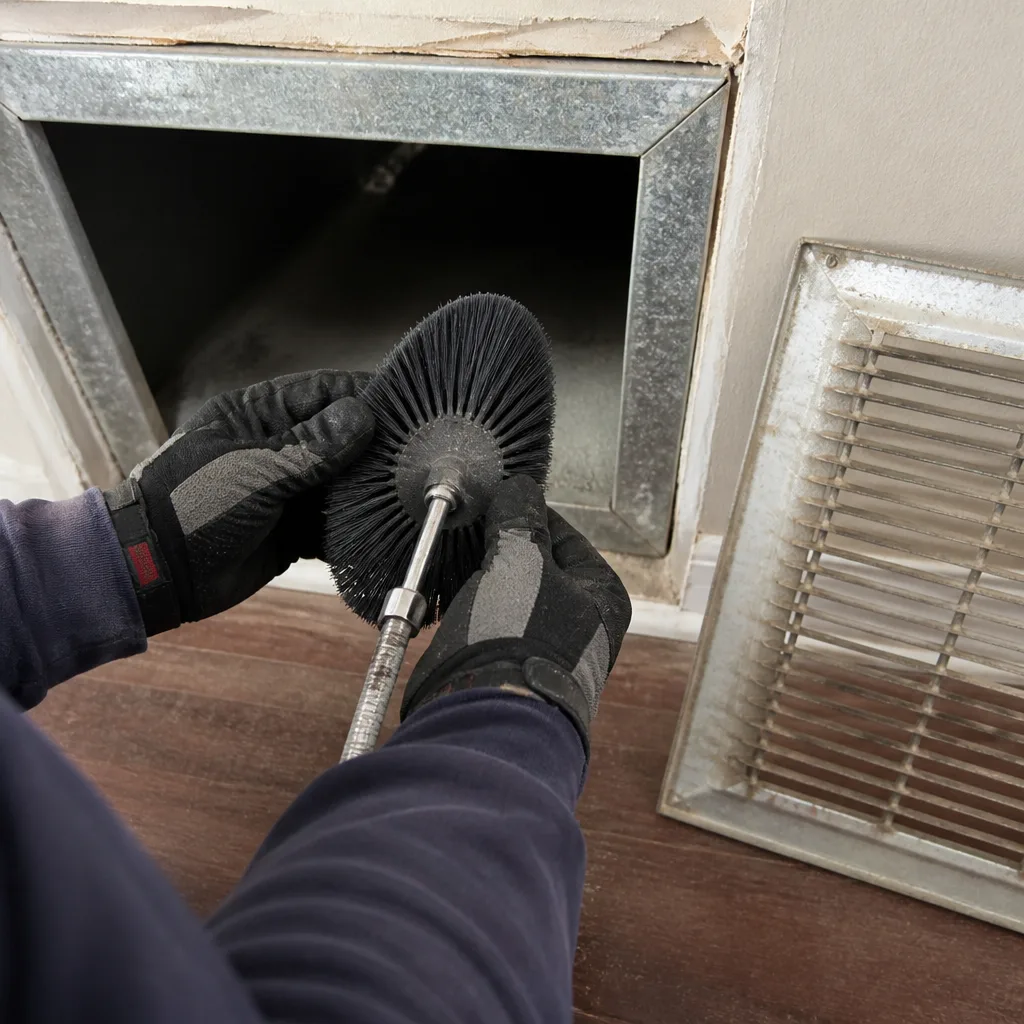
Last updated November 16, 2026
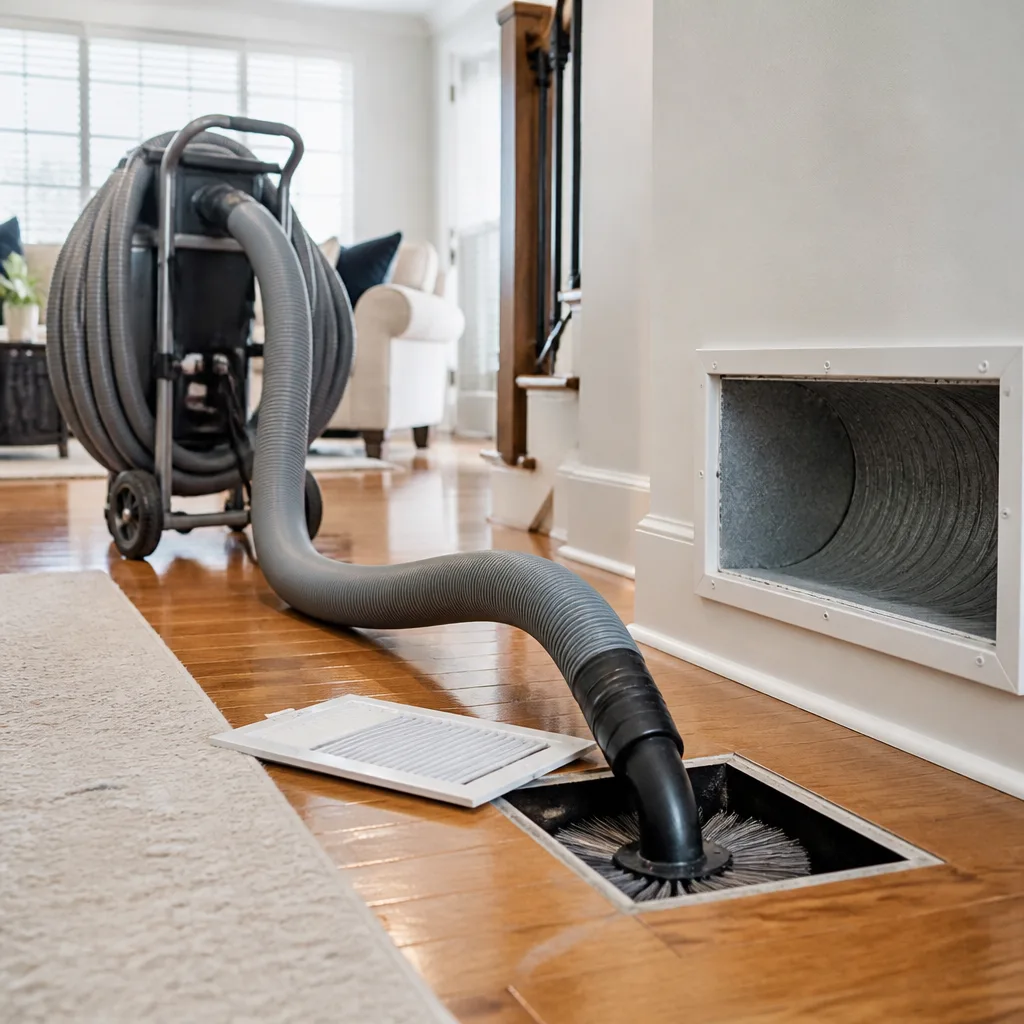 Whole-home duct cleaning
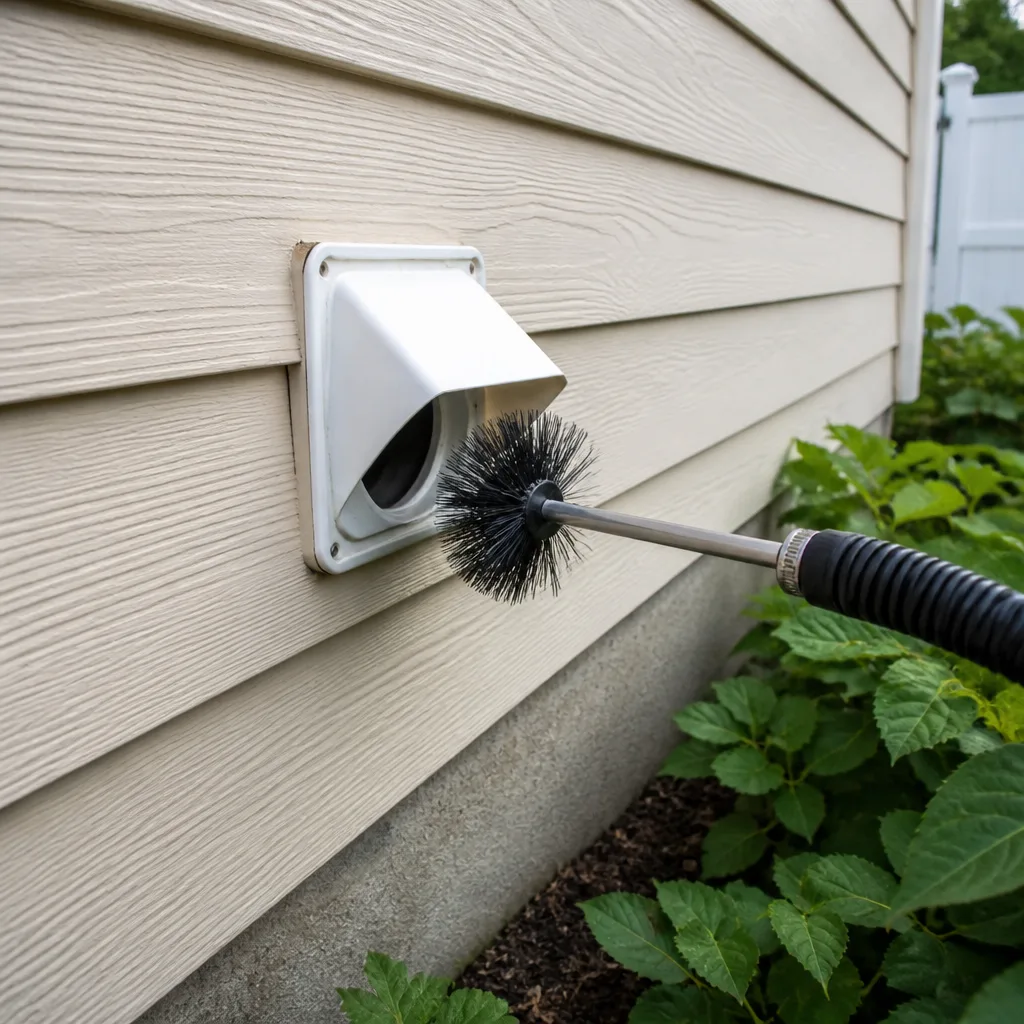 Dryer vent cleaning
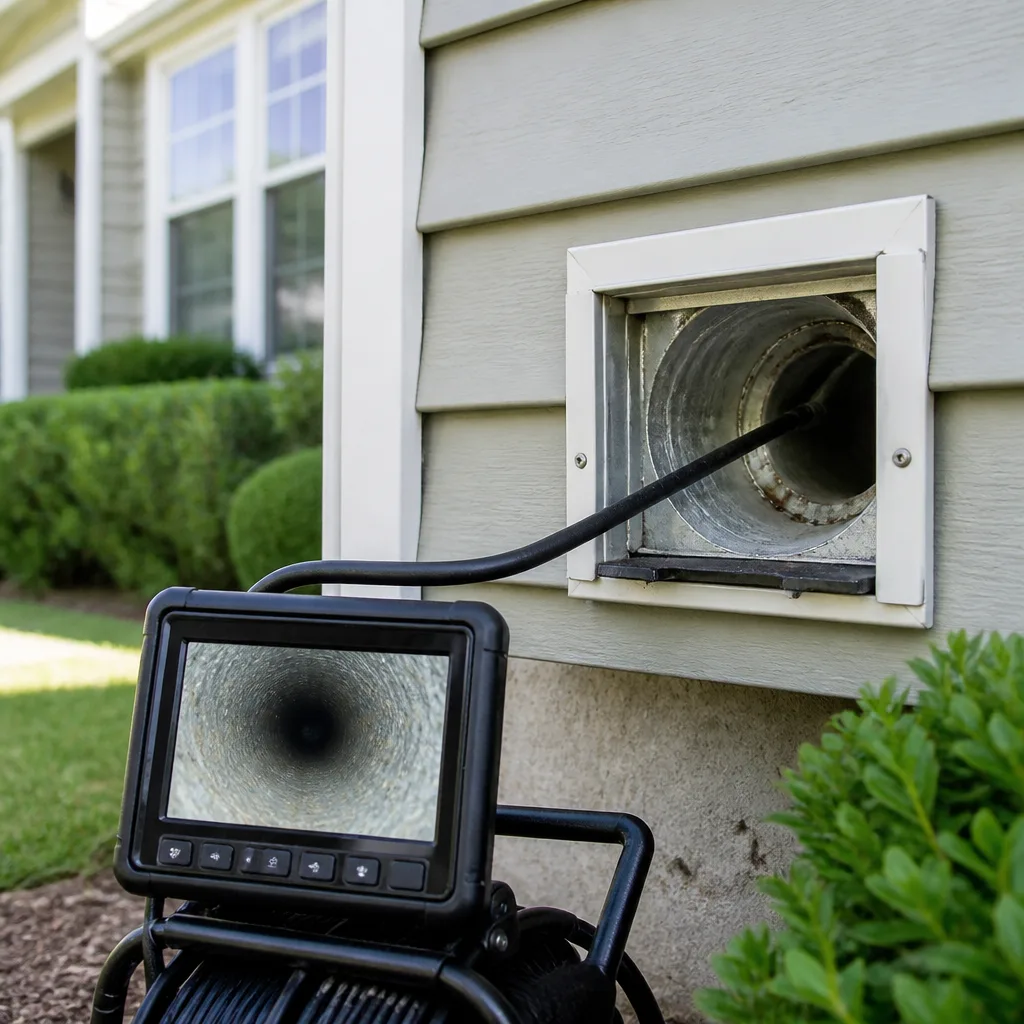 Camera inspection
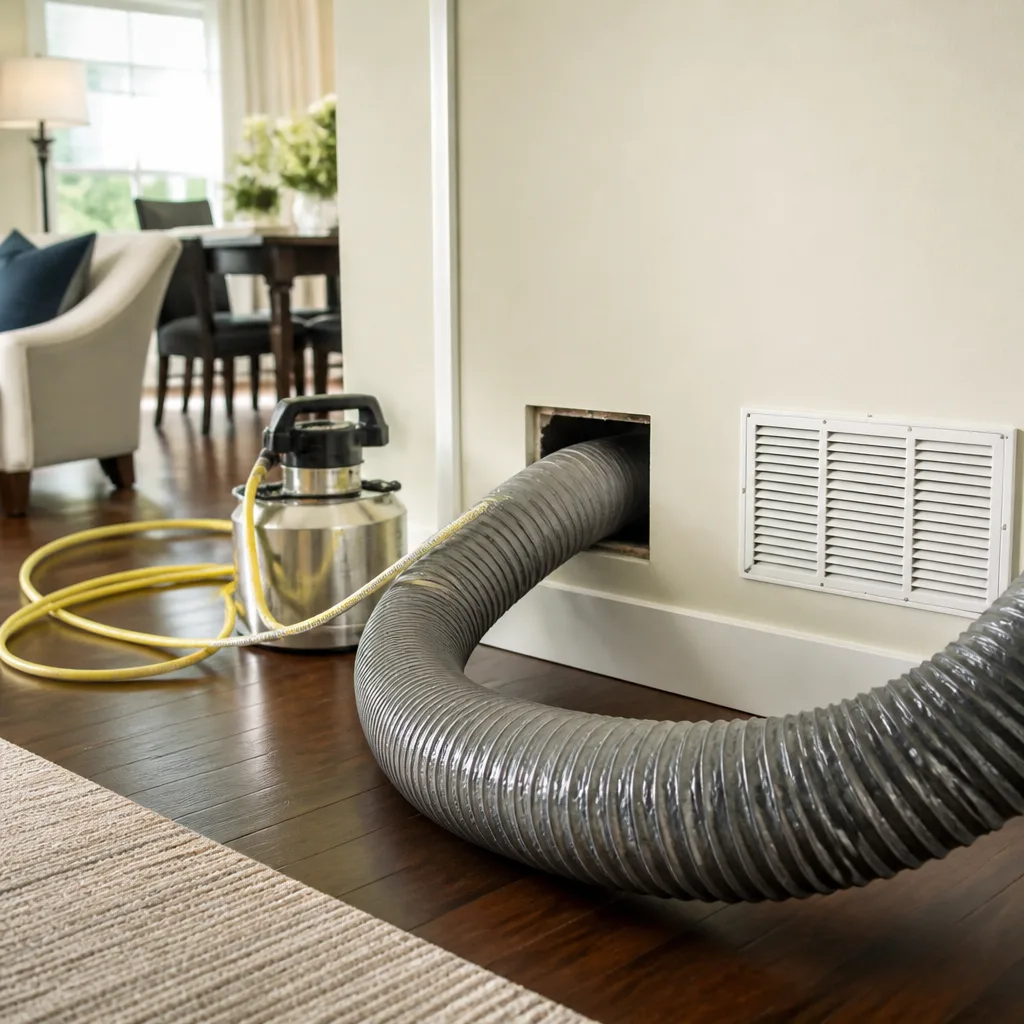 Sanitizing & deodorizing
Whole-system duct and dryer vent check with before-and-after photos - you see exactly what came out of your vents
That "$99 whole-house special" is a bait ad - the real number appears once they are in your hallway, or the "clean" is a shop-vac at the register. We photograph the inside of your ducts before and after instead.
Choosing the Right Air Duct Cleaning Brand: A Buyer’s Guide for Cary
Any contractor can print an NADCA member logo on a van. Equipment purchases can’t be faked. That’s the uncomfortable truth about vetting air duct cleaning companies: credential badges, association logos, and website claims are easy to reproduce, but a Rotobrush rotary system with the camera-integrated brush costs real money, needs real training, and shows up on the invoice when a contractor actually buys one. Which is why the question “what specific system do you use, and can I see the unit?” tells you more than any certificate check. In this guide, we walk through what professional-grade duct cleaning equipment actually does, why the difference between a shop vac and a Nikro negative-air machine matters for the air in your Cary home, and the exact phone questions that separate a specialist from a side hustle.
Quick Answer
The right air duct cleaning brand in Cary is the one that can tell you, without hesitation, which professional-grade system it uses and prove it: Rotobrush for interior mechanical cleaning, Nikro or a comparable HEPA negative-air machine for particulate capture, and Abatement Technologies when the job crosses into remediation territory. Certification badges are secondary. Equipment brand, the ability to name it, and a willingness to show the unit on-site are the most reliable indicators of contractor rigor you have.
Styles & brands we work with
- Whole-home duct cleaning
- Dryer vent cleaning
- Camera inspection
- Sanitizing & deodorizing
Table of Contents
- Why Equipment Brand Matters More Than Any Badge
- Rotobrush Explained: The Camera-and-Brush System
- Nikro Negative-Air Machines and HEPA Filtration
- Abatement Technologies: When Remediation Equipment Enters the Picture
- What Consumer-Grade Equipment Cannot Do
- How to Ask Equipment Questions on the Phone
- What Cary Homeowners Should Know About Local Ducts
- Common Mistakes to Avoid
Why Equipment Brand Matters More Than Any Badge
Duct cleaning has a low barrier to entry, and that’s the core problem for Cary homeowners trying to choose a company. A portable wet/dry vac, a brush on a flexible rod, and a website can be assembled for a few hundred dollars. That setup can visually remove dust from the first few feet of a return, take a photo, and leave. No certification requirement stands in the way, and no trade license specifically governs duct cleaning in most of North Carolina. The badge system, where it exists, is voluntary and easy to obtain relative to the capital cost of real equipment.
Professional-grade systems flip that equation. A Rotobrush unit is a purpose-built machine with a rotary brush and integrated camera, and its cost runs into the thousands. A Nikro HEPA vacuum designed for duct work similarly represents four-figure capital. Abatement Technologies filtration is generally the domain of contractors who also do mold remediation and post-disaster restoration, because that’s who buys it. The purchase itself is a filter. A contractor who owns that equipment has already demonstrated the commitment that badges are meant to signal.
There’s a second layer too: training. Rotary brush systems require the operator to understand duct construction, gauge debris load, adjust brush tension, and avoid damaging flex duct seams. HEPA vacuum setups require an understanding of negative pressure, filter staging, and CFM matching against the system volume. None of this is learned in an afternoon. Our technicians have up to 12 years of experience, and the ones who are good with this equipment are good because they’ve run it hundreds of times, not because they watched a video.
What this means in practice for a Cary homeowner choosing a company: ask about equipment before you ask about anything else. The answer tells you what tier of operation you’re talking to.
Rotobrush Explained: The Camera-and-Brush System
Rotobrush is the most recognizable name in residential duct cleaning equipment, and it earns the reputation for one specific reason: the camera and the brush operate as one unit. The rotary brush is inserted into a duct run on a flexible shaft, and a small camera mounted near the brush head feeds live footage to a screen the technician is watching. The operator sees the inside of the duct as it’s being cleaned, in real time, and can adjust approach as conditions change.
Why this matters for accountability, not just marketing:
- Verification, not imagination. The technician isn’t guessing what’s inside a run. The camera shows buildup, debris type, and condition.
- Damage prevention. If the flex duct has a tear or the rigid duct has a damaged joint, the operator sees it before the brush does. That’s the difference between cleaning and a repair bill.
- Recorded proof. Footage from before and after a run can be captured and shared. It’s the strongest “how do I know the work was done” answer in the industry.
- Adaptable cleaning. Heavy debris loads in one run and light dust in another get treated differently, because the technician can see which is which.
The brush itself is a rotary, mechanically driven head. It doesn’t just loosen dust and hope the vacuum catches it; it agitates debris off the duct walls while the vacuum pulls it toward the collection point. That combination of mechanical agitation and simultaneous capture is what distinguishes real duct cleaning from a vacuum pass.
For Cary homes with a mix of flex and rigid duct, which is common in the new construction and renovation stock around neighborhoods like Amberly and Carpenter Village, the camera view is genuinely useful. Flex duct fails and accumulates debris differently from rigid metal. A system that shows the interior lets the technician work both correctly rather than applying the same technique everywhere.
If you’re evaluating a company and they can’t tell you whether their equipment has a camera and how they use it, that’s the answer. Move on. For a fuller look at what a proper cleaning involves, our air duct cleaning page covers the process step by step.
Nikro Negative-Air Machines and HEPA Filtration
Nikro Industries makes the negative-air machines and HEPA vacuums that serious duct cleaning contractors use for particulate capture. The function is straightforward and the logic is mechanical: attach a high-CFM vacuum to the duct system before agitation begins, so that when the brush and air tools start loosening debris, the vacuum is already pulling air (and debris) toward the collection point and out of the house.
Three things to understand about how these machines work:
- CFM ratings. CFM stands for cubic feet per minute, and it describes how much air the vacuum can move. A consumer wet/dry vac might move 100-150 CFM in ideal conditions and far less through a duct run. A professional negative-air machine moves significantly more, which is what creates the pressure differential needed to pull debris from deep in a duct rather than just loosening it in place.
- HEPA filtration stages. Professional units typically stage filtration: a pre-filter catches the bulk debris, a secondary filter catches mid-size particles, and a HEPA stage catches fine particulates. HEPA filtration captures particles at a scale a standard filter passes through. That’s why the exhausted air from a good unit is cleaner than the ambient air in the room.
- Attachment before agitation. This is the sequencing rule that separates professional work from amateur work. If the vacuum isn’t connected and running before the brush enters the duct, agitation just aerosolizes debris into your home. The vacuum has to be pulling first. Every time.
In a Cary house, that sequencing matters for a practical reason: our climate runs humid through the summer, and dust in a humid duct system hangs together in clumps and mats rather than floating freely. Agitating those clumps without negative pressure in place releases a lot of material into the air all at once. The right setup catches it. The wrong setup fills your living room with it.
Abatement Technologies filtration, which we’ll get to next, is the layer that protects the room itself during the work. Nikro is what protects the duct system. Both belong on a professional job.
Abatement Technologies: When Remediation Equipment Enters the Picture
Abatement Technologies makes the air scrubbers, negative-air machines, and HEPA filtration units used in environmental remediation, disaster restoration, and indoor air quality (IAQ) work. The equipment shows up in contexts where the air in a building is contaminated and needs to be managed before, during, and after active work: mold remediation, water damage restoration, post-fire cleanup, and serious IAQ interventions.
When a duct cleaning contractor brings Abatement Technologies equipment to a residential job, what it signals is this: the contractor has done enough remediation-adjacent work to invest in that tier of equipment, and understands that cleaning a duct system can release particulates into a living space. A whole-house air scrubber running during service keeps the interior air protected while the duct work is happening.
That’s not marketing language. It’s a specific operational decision. Plenty of duct cleaning companies don’t carry this equipment, and their jobs get done without it. Whether that’s acceptable depends on the household. For homes with:
- Family members with asthma, allergies, or other respiratory sensitivities
- Recently completed renovation or construction dust still sitting in the system
- Older duct systems with accumulated debris
- A prior moisture event or suspected mold in the HVAC path
running air filtration during the cleaning is the difference between “cleaning the ducts” and “cleaning the ducts without making the air worse first.” In our experience, allergy-conscious households in Cary specifically ask about this, and the answer matters more to them than the price. If you’re in that group, ask any contractor you’re considering whether they use ambient air filtration during service. If they don’t, ask how they plan to prevent particulate release into the home.
We deploy Abatement Technologies filtration on residential jobs because it’s the same tier of equipment we’d use in a more serious context. The tools don’t change just because the address is a house instead of a commercial building. If you want to know exactly what we’d bring, our team will tell you before you book; you can reach us through Cary.
What Consumer-Grade Equipment Cannot Do
The gap between consumer and professional duct cleaning equipment isn’t a matter of degree. It’s a category difference. Understanding what prosumer and portable units cannot do helps you recognize when a quote is built around equipment that won’t actually clean your system.
Specific limitations:
- Insufficient negative pressure. Portable units can’t generate the airflow needed to move debris through a whole-house duct run. They work on the section right in front of the nozzle and leave the rest.
- No camera. Without a camera, the technician works blind. No before-and-after footage, no verification that the interior was actually reached, no way to spot damage before the brush hits it.
- No multi-stage HEPA filtration. Single-filter consumer units pass fine particulates. The dust you see in the air after an amateur job is the evidence.
- No brush articulation for turns and dampers. Duct systems have elbows, transitions, and dampers. A brush on a stiff rod can’t navigate all of them; a rotary brush on a flexible shaft can.
- No ambient air protection. Consumer equipment doesn’t include air scrubbers. Whatever gets aerosolized stays in the air until it settles.
Truck-mounted systems are a third category, common in commercial work and some large residential operations. They generate substantial CFM and are effective on large-diameter commercial duct, but they’re not a drop-in upgrade for a typical Cary house: many homes here have duct runs that don’t lend themselves to a truck-mounted hookup, and a well-equipped portable negative-air machine is often the better tool for the job. The question isn’t truck-mounted versus portable. It’s professional versus consumer. A truck-mounted unit with no camera still leaves the technician working blind.
What you’ll see at the low-price end of any market: a shop vac with a brush hose, no camera, a promise of a deep clean, and a bill that doesn’t match the promise. Some operators hire the equipment; some subcontract the work; some just run the vacuum through the accessible vents and call it done. None of these are what you’re paying for. Similar logic applies if you’re booking dryer vent cleaning, where a router brush and a HEPA vac are the standard tools and a shop vac is simply the wrong machine for the lint column.
How to Ask Equipment Questions on the Phone
You don’t need to become an equipment expert. You need four or five specific questions, asked in a specific order, and you need to listen for answers that describe equipment rather than deflect. Anyone who actually owns and operates professional systems will answer these in seconds. Anyone who doesn’t will pivot to price, certification, or “we use the best equipment in the industry.”
The exact questions, and what confirms a real answer:
- “What specific system do you use for cleaning the duct interior?” Expect a brand name: Rotobrush, Nikro, or an equivalent. Vague answers (“we use a high-powered system,” “our equipment is professional grade”) are red flags. A specific brand name is what you want.
- “Does your system have a camera, and can I see footage of my ducts before and after?” Expected: yes on both, and a clear explanation that they’ll share before-and-after footage. Hesitation is a hard no.
- “Do you use HEPA filtration on the vacuum, and how many stages?” Expected: yes, and a description of at least two filtration stages including HEPA. The answer shouldn’t sound uncertain.
- “Do you run negative pressure during agitation, and do you connect the vacuum before you start the brush?” Expected: yes, and an explanation that the vacuum connects first and runs throughout the cleaning. Anyone who says “we vacuum after” doesn’t understand the sequencing.
- “Do you bring an air scrubber or ambient filtration during the job?” Expected: either yes, or a clear, specific reason it isn’t needed. Abatement Technologies or an equivalent air scrubber is the strong answer. “We don’t need one” without detail is weaker.
- “Do you own the equipment or rent it, or do you subcontract the work?” Expected: owns and operates it. Subcontracting the equipment means you have no idea what’s actually going to show up. Renting is a soft red flag on commitment, though not disqualifying.
Two final questions that separate a broad-scope specialist from a one-service operation:
- “Do you also clean dryer vents and do duct repair, or just cleaning?” The right answer is all three. Duct systems have connected failures, and a company that only cleans will hand you a “we don’t do that” when they spot a torn flex run or a crushed elbow.
- “Are you familiar with the air quality products in my house?” If you have a Honeywell or Aprilaire filter or humidifier in the system, the technician needs to work around and through it without damaging the housing, and should recognize what the components are.
Ask these questions before you book. A five-minute phone call replaces a two-hour guess.
What Cary Homeowners Should Know About Local Ducts
Cary’s housing stock is unusual in a way that affects how duct cleaning should be done. A substantial portion of the town’s homes were built in the last two decades, which means most duct systems in neighborhoods like Preston, Lochmere, and MacGregor are flex-and-rigid hybrid, or fully flex. Flex duct is efficient and easy to install, but it’s more susceptible to sagging, crushing, and internal debris accumulation than rigid metal duct. It also has seams and internal ridges that hold material.
The local climate matters too. The summers are humid, which means condensation can form on duct exterior surfaces that run through unconditioned attics and crawl spaces, and humidity inside the air handling system can remain elevated for longer than in dryer climates. Combined with the seasonal pollen load that Cary sees from the pine and oak canopy, the practical result is that duct interiors accumulate a mix of dust, pollen, and moisture-clumped debris. A brush-and-vac pass doesn’t clear that. A rotary brush under negative pressure does.
North Carolina doesn’t issue a specific license for duct cleaning as a standalone trade, and Cary doesn’t have a separate permit requirement for cleaning an existing duct system. That’s exactly why equipment is the filter. When the government isn’t checking, the buyer has to check. Code requirements, permits, and inspection details around duct modifications or repairs fall under general mechanical code, and any repair work that changes duct routing or modifies the system should be confirmed with the town’s building department before work starts. That applies to us and to everyone else.
One specific home consideration: if the house has a Honeywell or Aprilaire whole-home humidifier integrated into the ductwork, duct cleaning requires working around the humidifier housing without disturbing the water panel or bypass. If the system includes a media filter cabinet, it may need to be removed and reinstalled. Equipment familiarity with these brands is a soft but real signal that the contractor has done this work in homes like yours. Our technicians have up to 12 years of experience, and we’ve worked with both brands in Duct Cleaning Cary jobs.
Common Mistakes to Avoid
- Choosing on price alone. A quote that’s dramatically below everyone else is a quote for a different service. The equipment, the time, and the filtration all cost money. If the price doesn’t reflect that, the work almost certainly won’t either.
- Not asking what equipment is coming. “We use professional equipment” is not an equipment answer. Ask for the brand. Ask for the camera. Ask whether the vacuum runs during the brush.
- Booking a company that only cleans. Duct systems develop tears, crushed sections, and disconnected joints. If the contractor can’t repair what they find, you get a diagnosis you can’t act on. The full scope, cleaning, dryer vent clearing, and duct repair, is what you want in a single contractor.
- Skipping the dryer vent. It’s a fire risk and it’s a separate system from the air duct. Many duct-cleaning companies don’t do it at all. Ask explicitly. A contractor’s willingness to offer it as a standalone service tells you they take the safety angle seriously.
- Assuming a certification logo equals competence. Certifications have value. They’re also easy to obtain relative to real equipment. Use certification as one data point among several, not the only one.
- Not asking about ambient air filtration. This is the one that most Cary homeowners don’t know to ask. If the household has allergy or asthma sensitivities, or the ducts haven’t been cleaned in years, particulate release during the work is a real concern. Ask whether air filtration runs during the cleaning.
- Ignoring what happens after the cleaning. Ask about before-and-after footage, whether it’s shared with you, and whether the technician walks you through any issues they found. A professional job includes a report.
See the difference
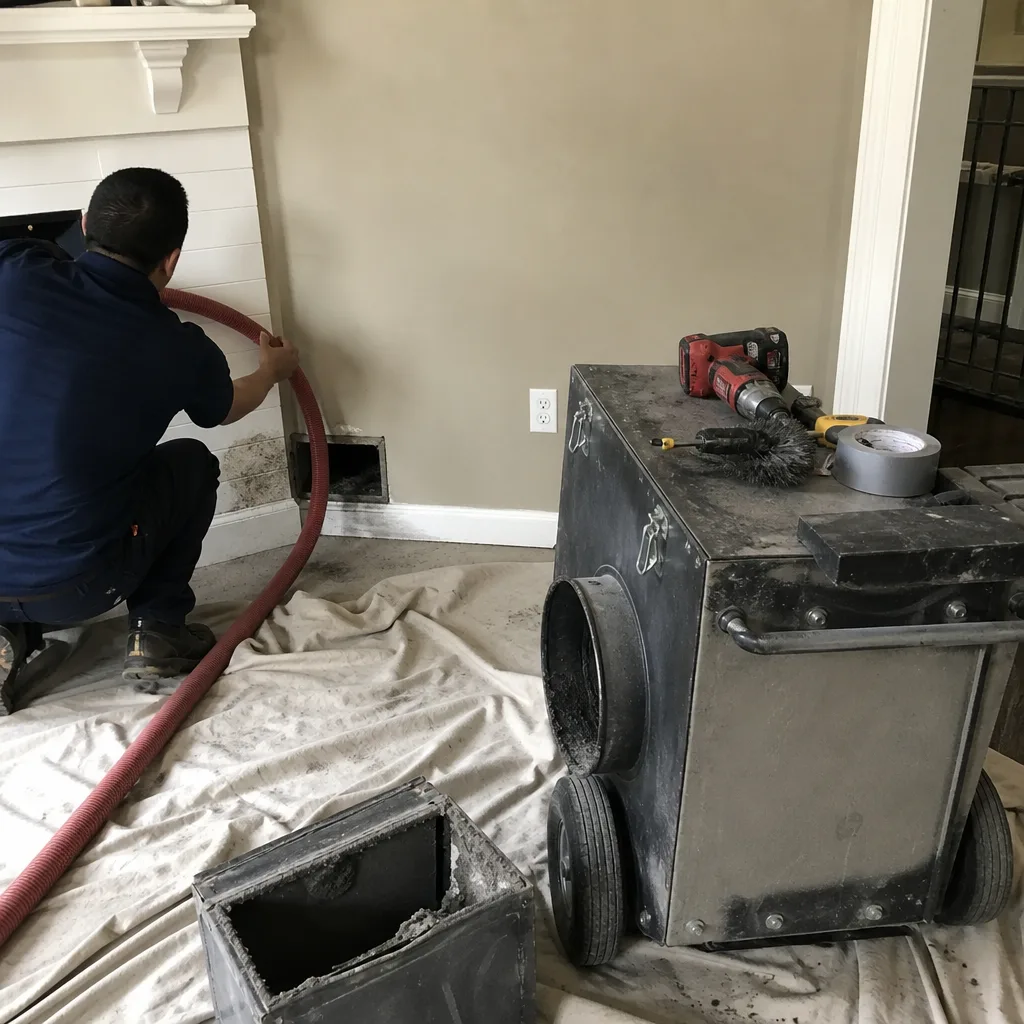 Before
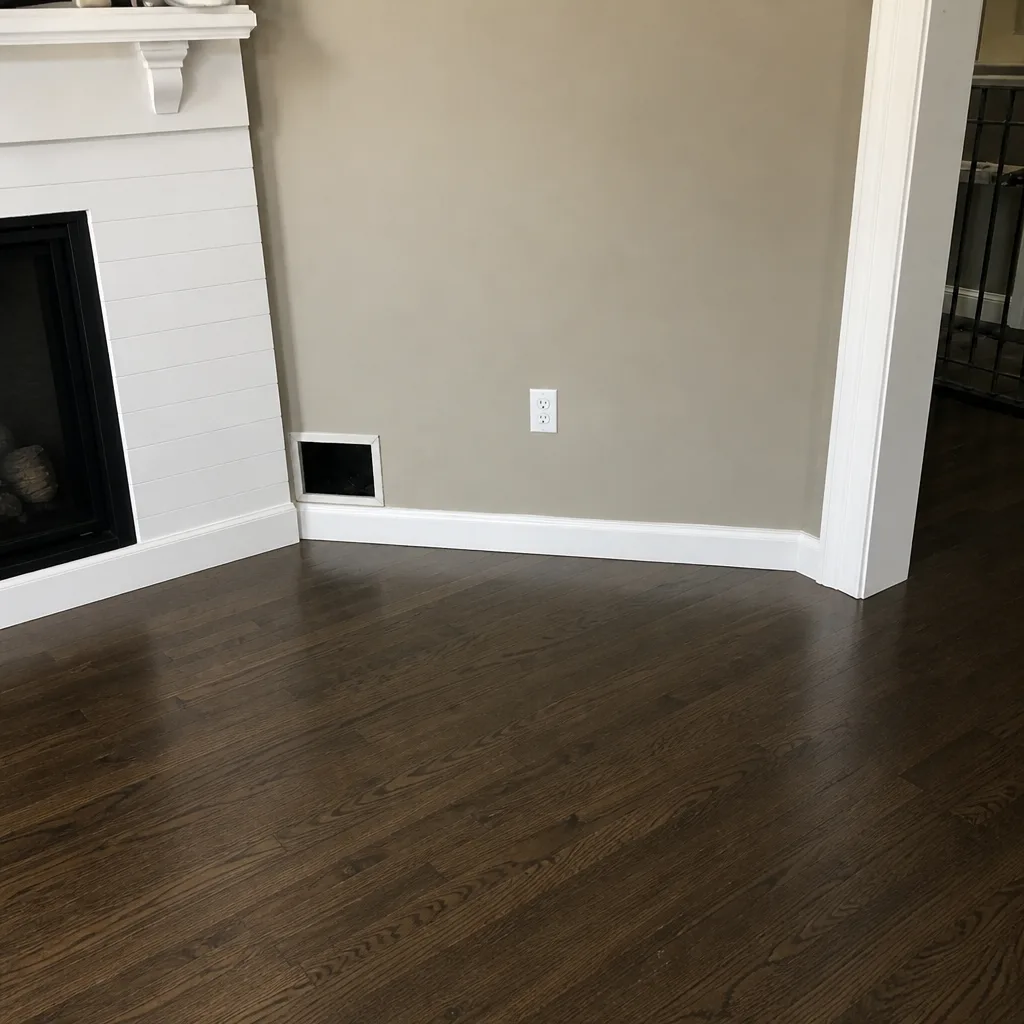 After
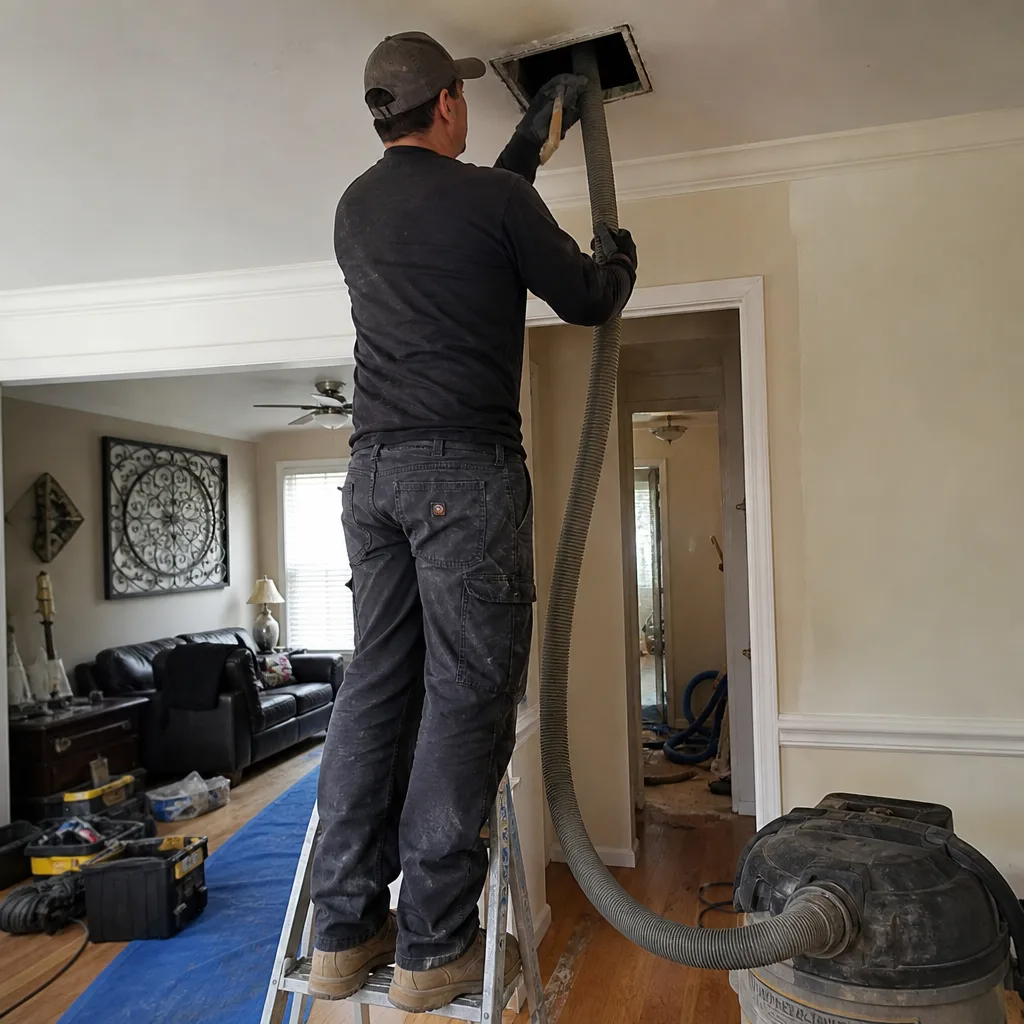 Before
 After
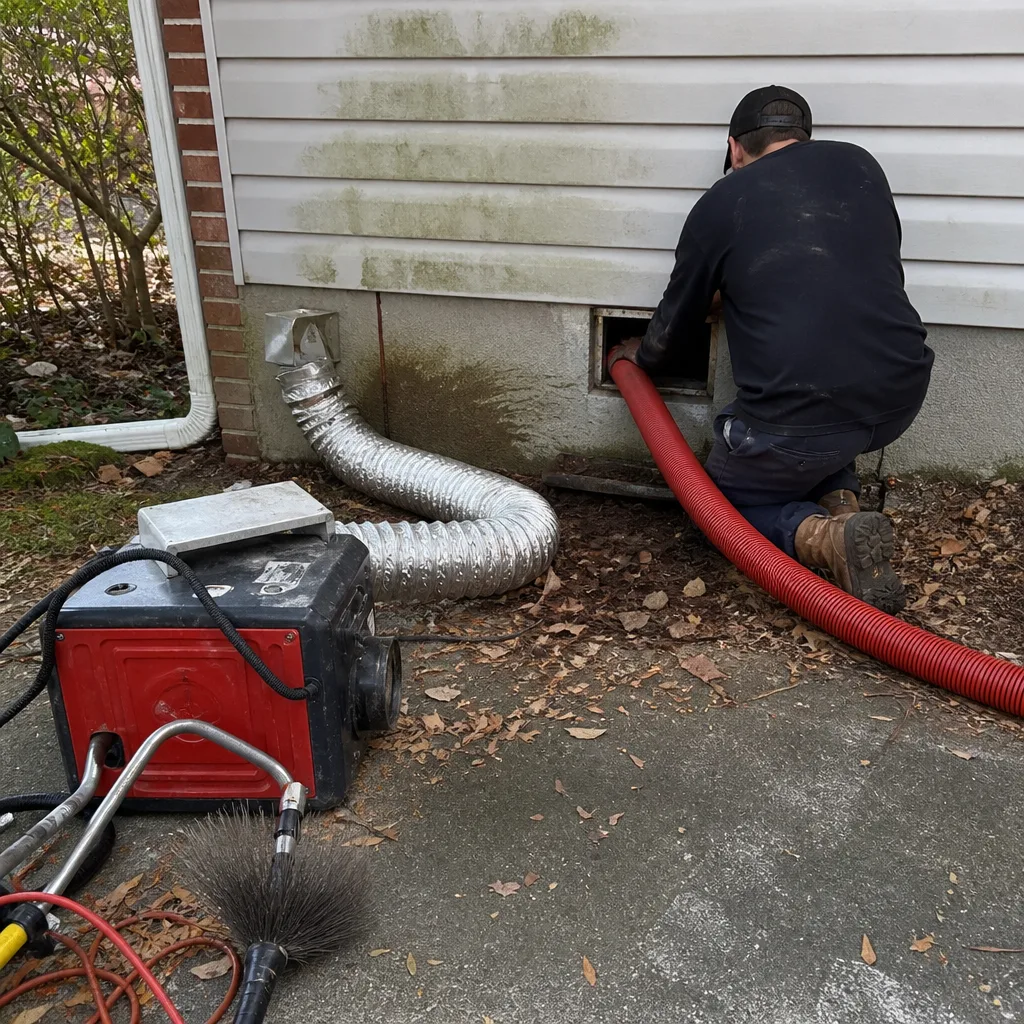 Before
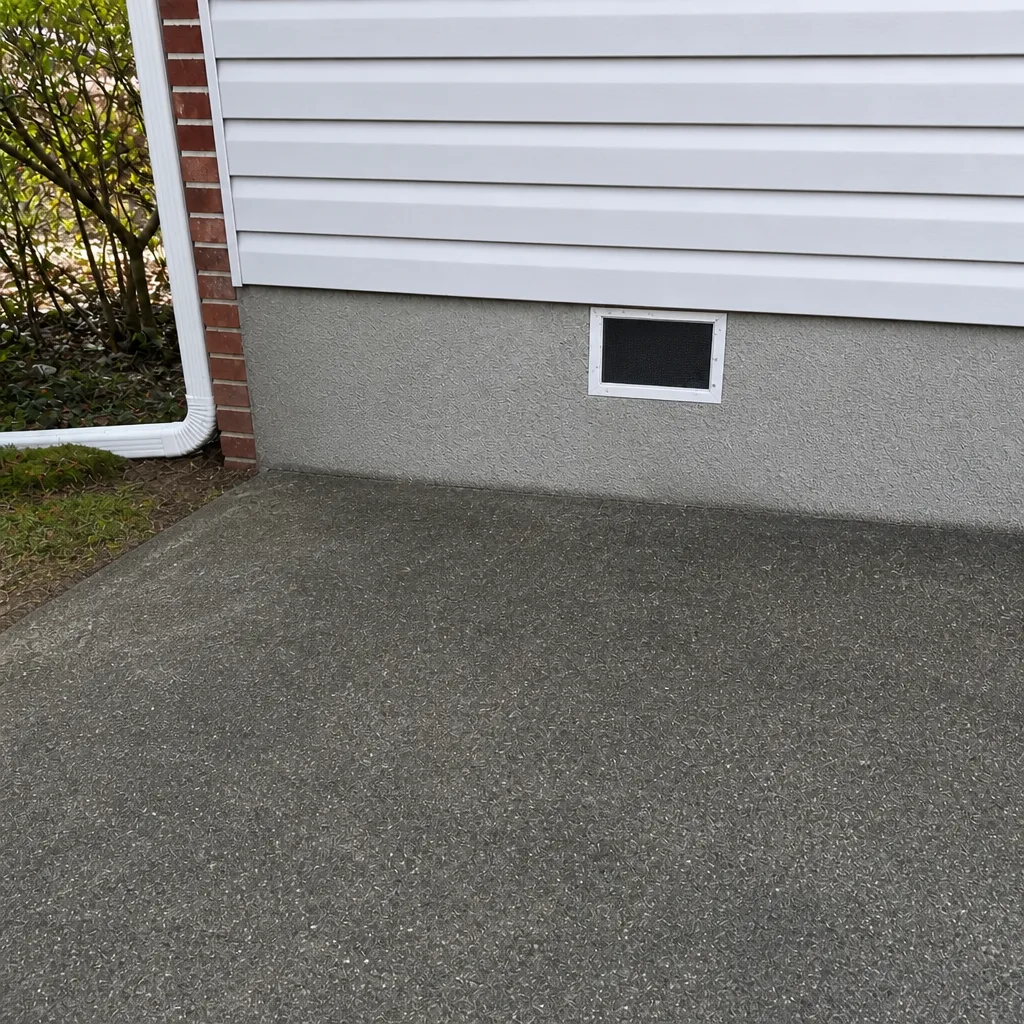 After
When to Call a Professional
Duct cleaning isn’t an annual obligation, and anyone telling you it is has a schedule to fill. The right triggers are specific. If anyone in the household has allergies, asthma, or unexplained respiratory symptoms, and the duct system hasn’t been serviced in years, that’s a reason. If you’ve just finished a renovation or major repair, construction dust has almost certainly entered the return side. If you’re seeing visible dust on the supply registers within days of cleaning them, or the house smells musty when the HVAC runs, or you can see debris inside the duct by looking through a register, those are all signals. A dryer vent that takes longer than one cycle to dry a load, or that produces a hot exterior flap, is a call-worthy safety issue on its own, and should be checked before anything else. Duct Cleaning Cary offers free estimates in Cary. Call (833) 608-1198. We answer 24/7, with fast dispatch from 7am to 7pm, Sunday through Friday.
Frequently Asked Questions
Ask about three specific things: the brand of the rotary cleaning system (Rotobrush is the standard), the brand and filtration stage of the negative-air vacuum (Nikro or an equivalent HEPA unit), and whether ambient air filtration or an air scrubber (Abatement Technologies or similar) is used during the job. If a contractor can’t name specific brands and explain how the equipment is sequenced, you’re likely talking to a lower-tier operation. Call (833) 608-1198 for an exact quote on your system. Estimates are free.
In practical terms, yes. Certifications are voluntary and inexpensive relative to real equipment costs, so they can signal membership without confirming operational rigor. Professional equipment requires thousands of dollars in capital and real training to operate well, and it can’t be faked over the phone. Certification has value as one signal among several. Equipment brand and the contractor’s ability to describe how it works is a more reliable filter.
Prices in Cary are set per job by written estimate, based on the number of duct runs, system size, access, and condition. We don’t quote per-vent prices or teaser figures, and we strongly recommend treating any advertised low coupon price as a starting point that rarely matches the final invoice from companies using that model. Our pricing is one flat price per system, agreed in writing before work starts. Call (833) 608-1198 for an exact quote. Estimates are free.
Because the work is different. A dramatic low price usually reflects a shop vac and a brush with no camera, no HEPA filtration, no negative pressure during agitation, and no ambient air protection. Some of these operators rent their equipment or subcontract the job, which means you don’t know what actually shows up. The comparison isn’t between two quotes for the same service. It’s between two clearly different services. Ask what equipment is coming before comparing prices.
Ask for before-and-after footage of your own ducts. A camera-integrated rotary system like Rotobrush captures interior footage as the work happens, and a professional contractor shares it with you. If a company can’t provide footage from inside your ductwork, that’s the answer to whether the work was done. We provide before-and-after photos on every job.
There’s no fixed interval that fits every home, and any contractor who insists on annual cleaning is overselling. Reasonable triggers are visible debris in the registers, recent renovation, a new HVAC installation, allergy symptoms in the household, or a prior moisture event. Many Cary homes go several years between cleanings. Dryer vent cleaning has a shorter interval because lint accumulates faster. When in doubt, a visual inspection tells you more than a calendar.
The Bottom Line
The best air duct cleaning company in Cary isn’t the one with the most badges. It’s the one that can name the specific equipment it uses, explain how the negative pressure, rotary brush, and HEPA filtration work together, and show you before-and-after footage of your own ducts. Rotobrush, Nikro, and Abatement Technologies are the brands that signal a contractor has invested in genuine professional capability. Ask the equipment questions on the phone before you book. Compare the answers, not the coupons. And make sure the company you choose can also clear a dryer vent and repair a duct, because the systems are connected and the contractor who only cleans will hand you a diagnosis they can’t fix. Our technicians have up to 12 years of experience, we work with Honeywell and Aprilaire systems, and we show you what we did.
Call (833) 608-1198 for a free estimate. We answer 24/7, with fast dispatch from 7am to 7pm, Sunday through Friday. One flat price per system, agreed in writing before work starts.
Written by the team at Duct Cleaning Cary.