
Last updated November 16, 2026
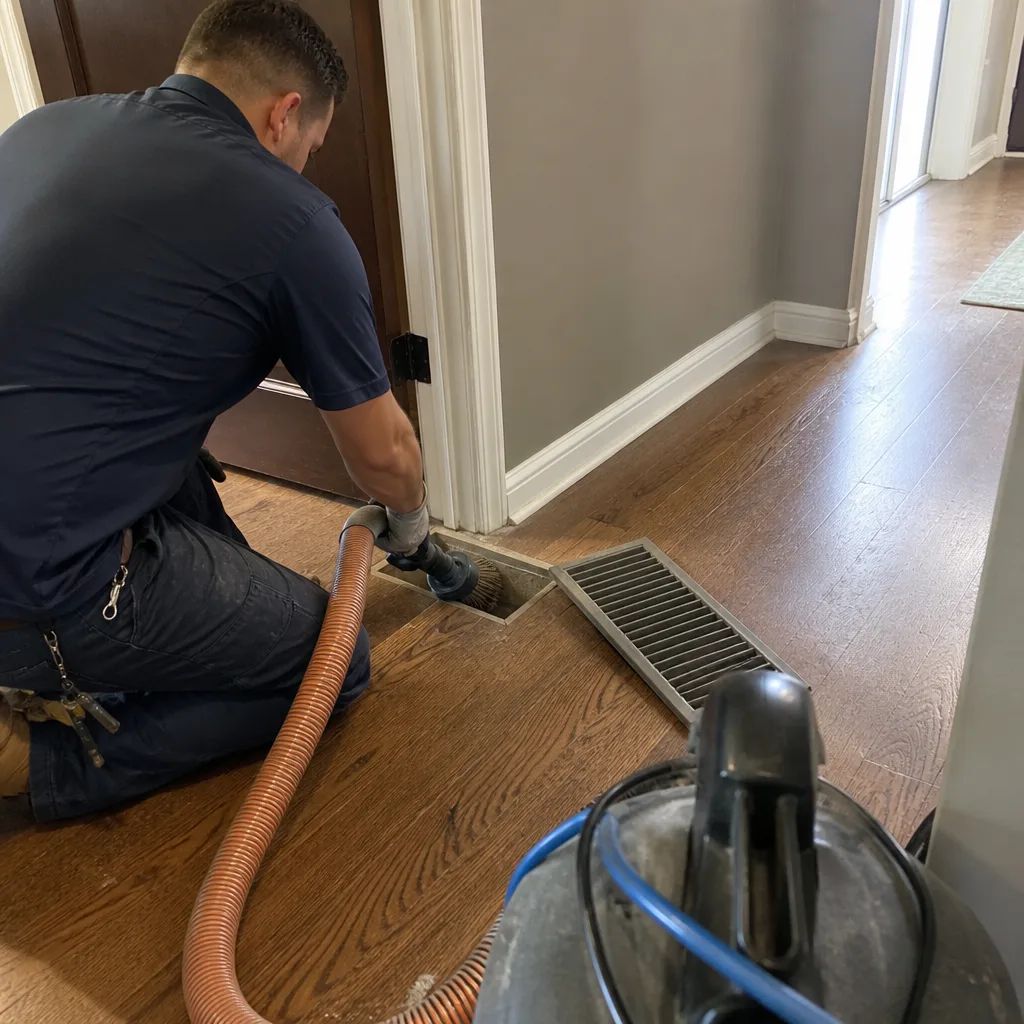
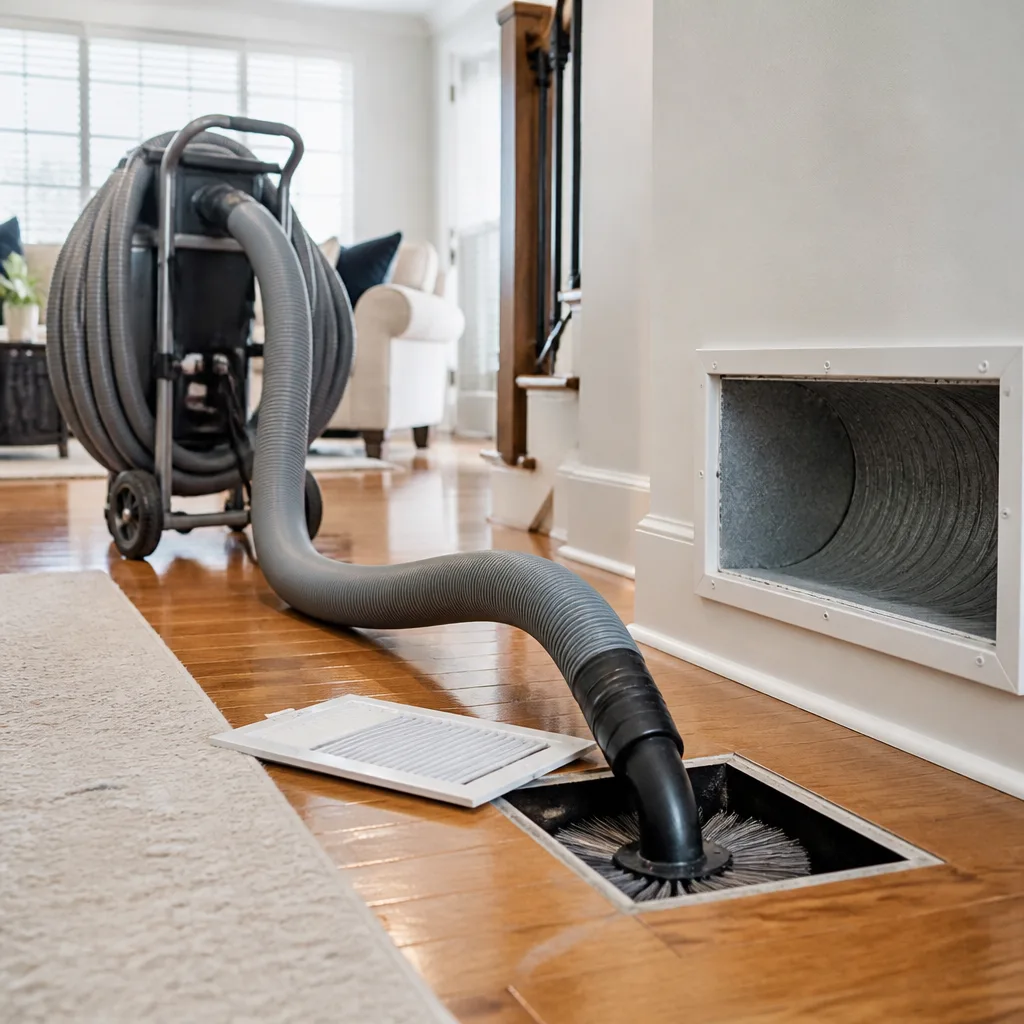 Whole-home duct cleaning
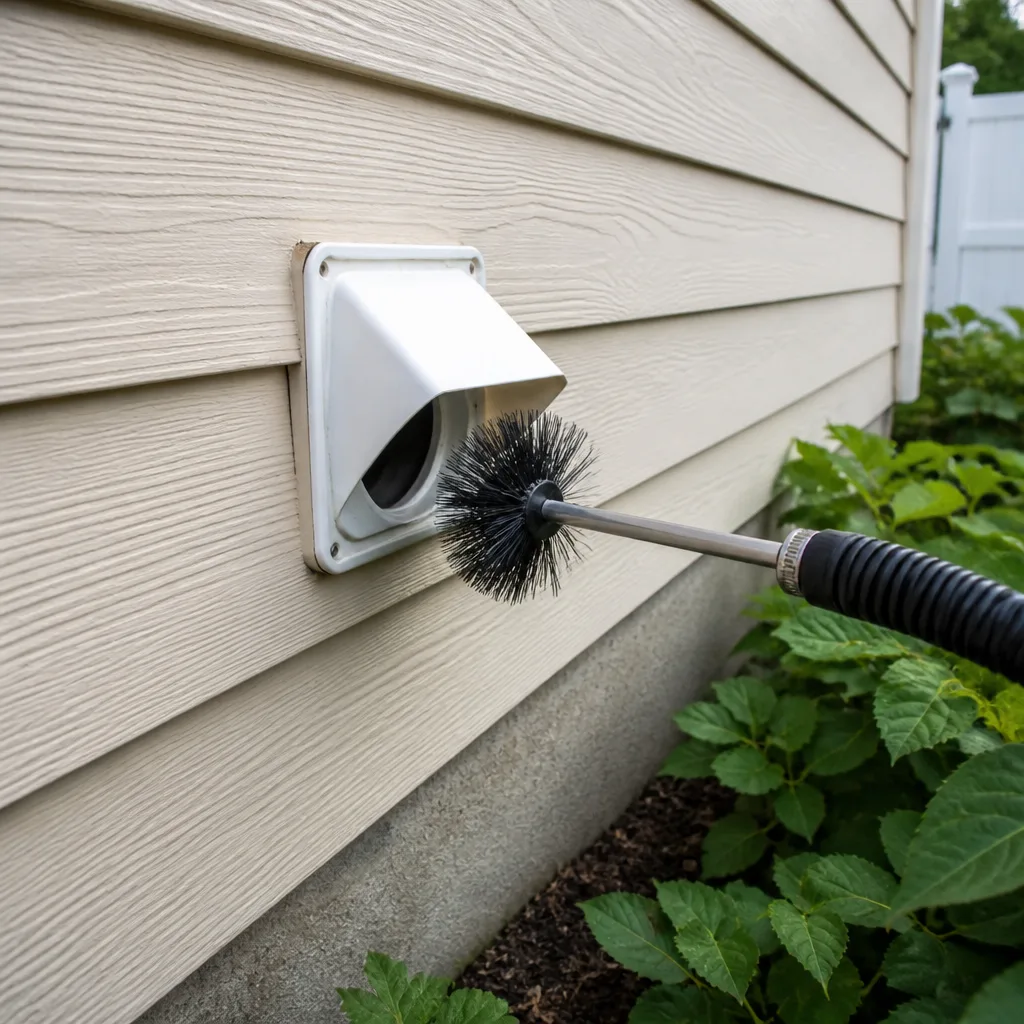 Dryer vent cleaning
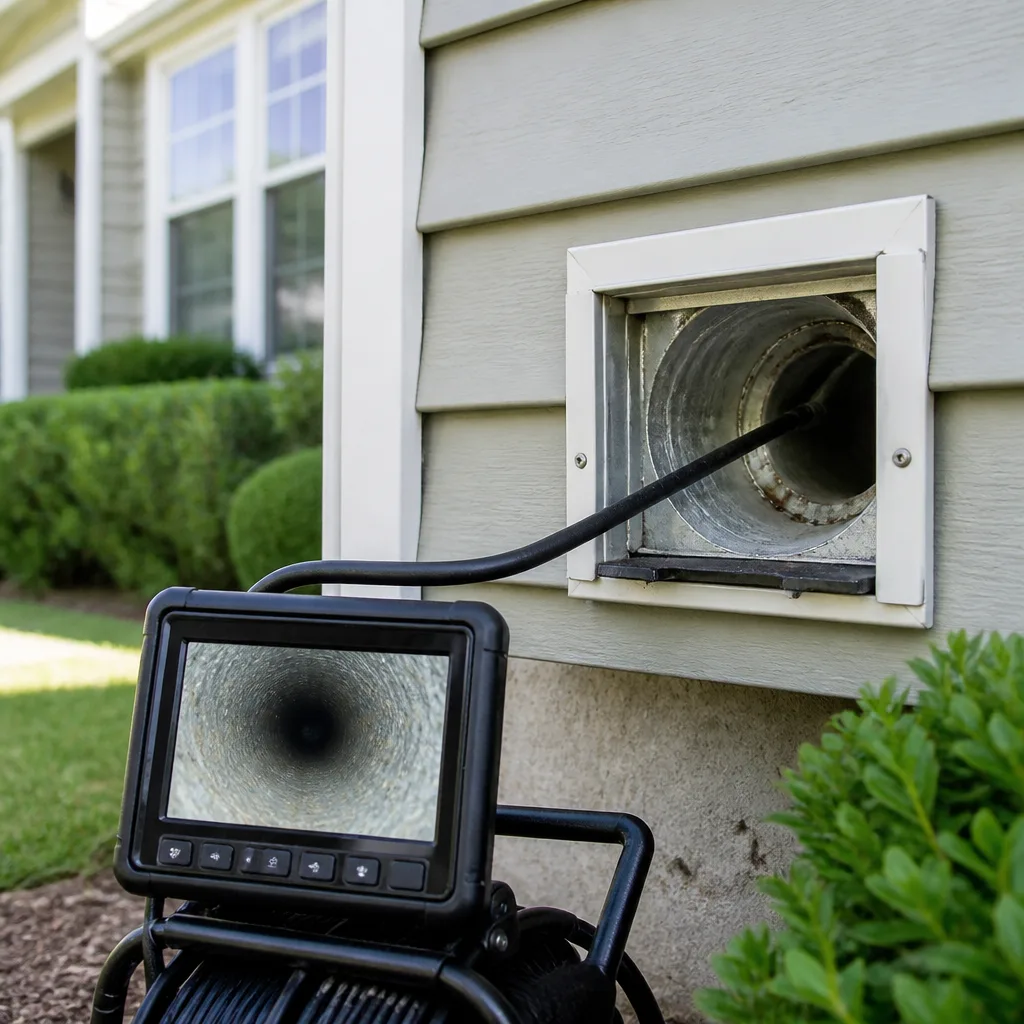 Camera inspection
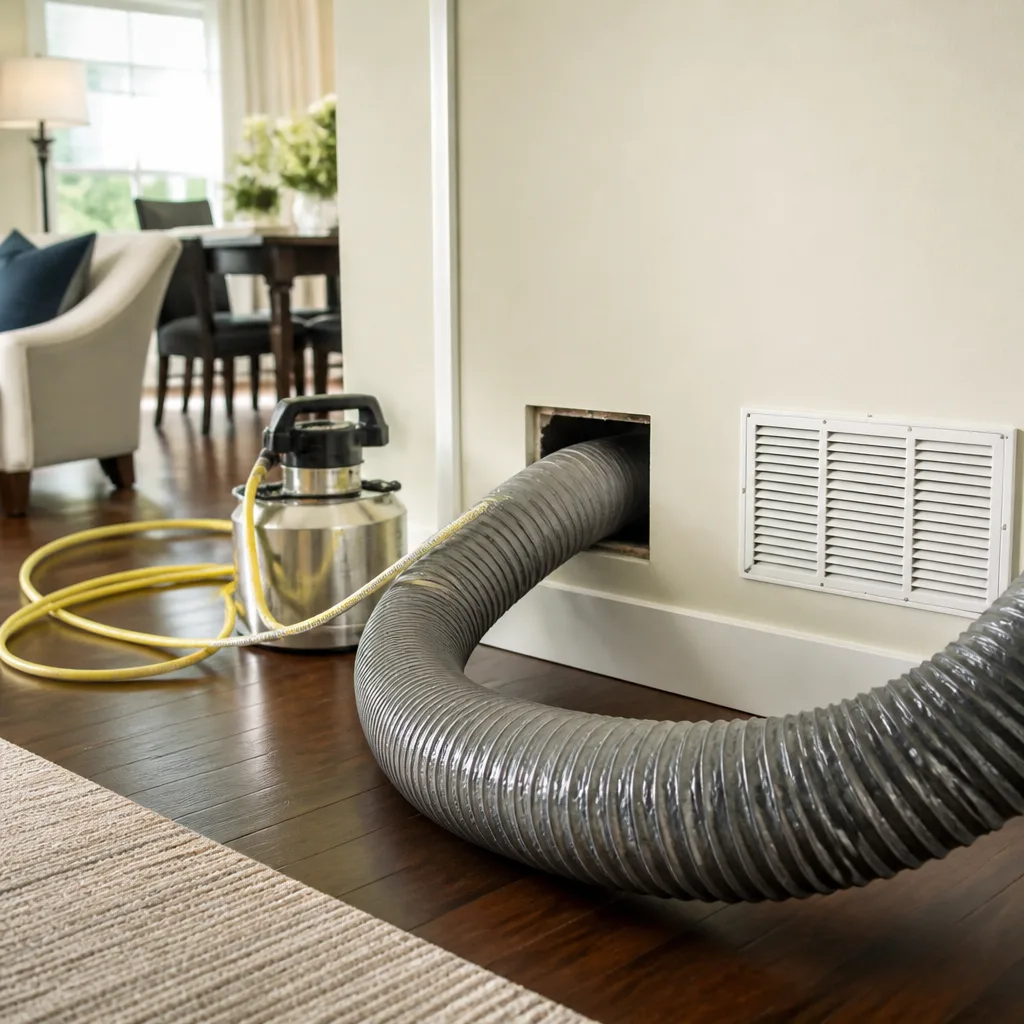 Sanitizing & deodorizing
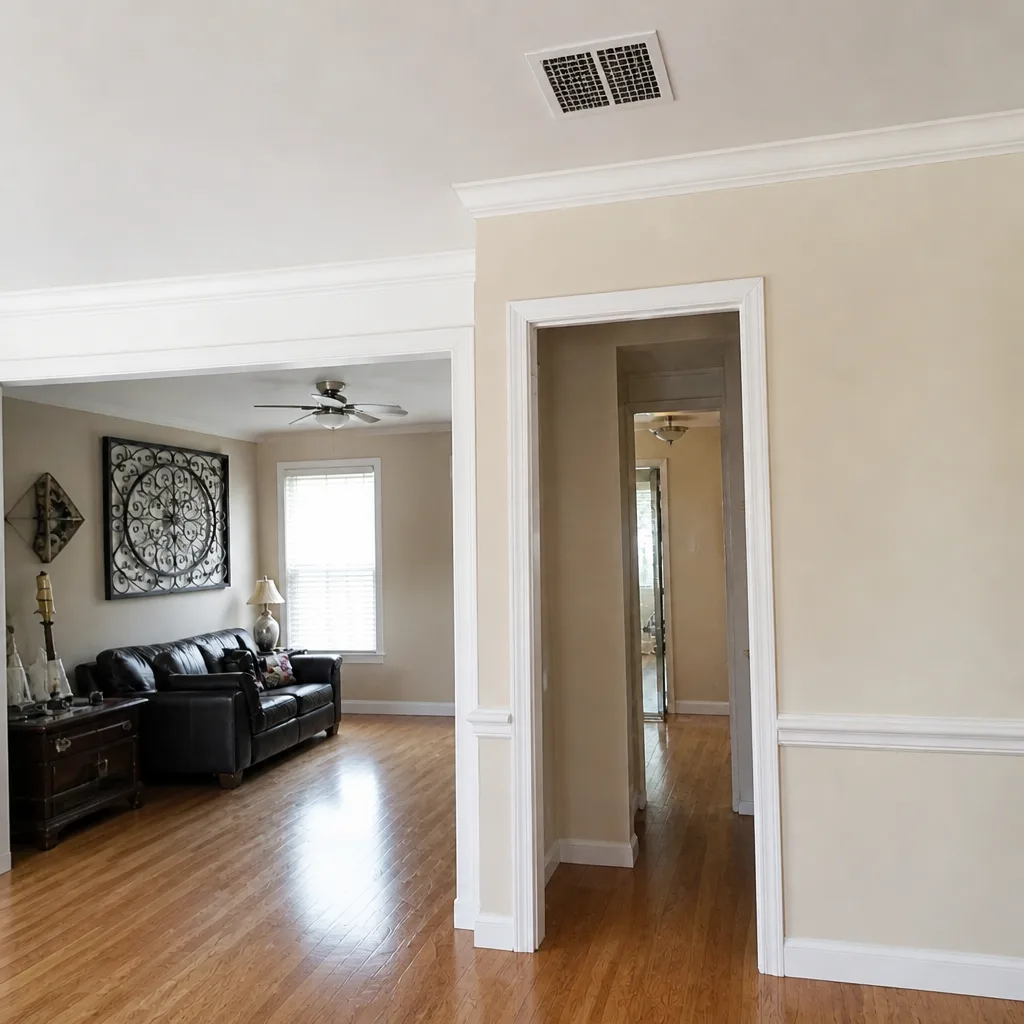
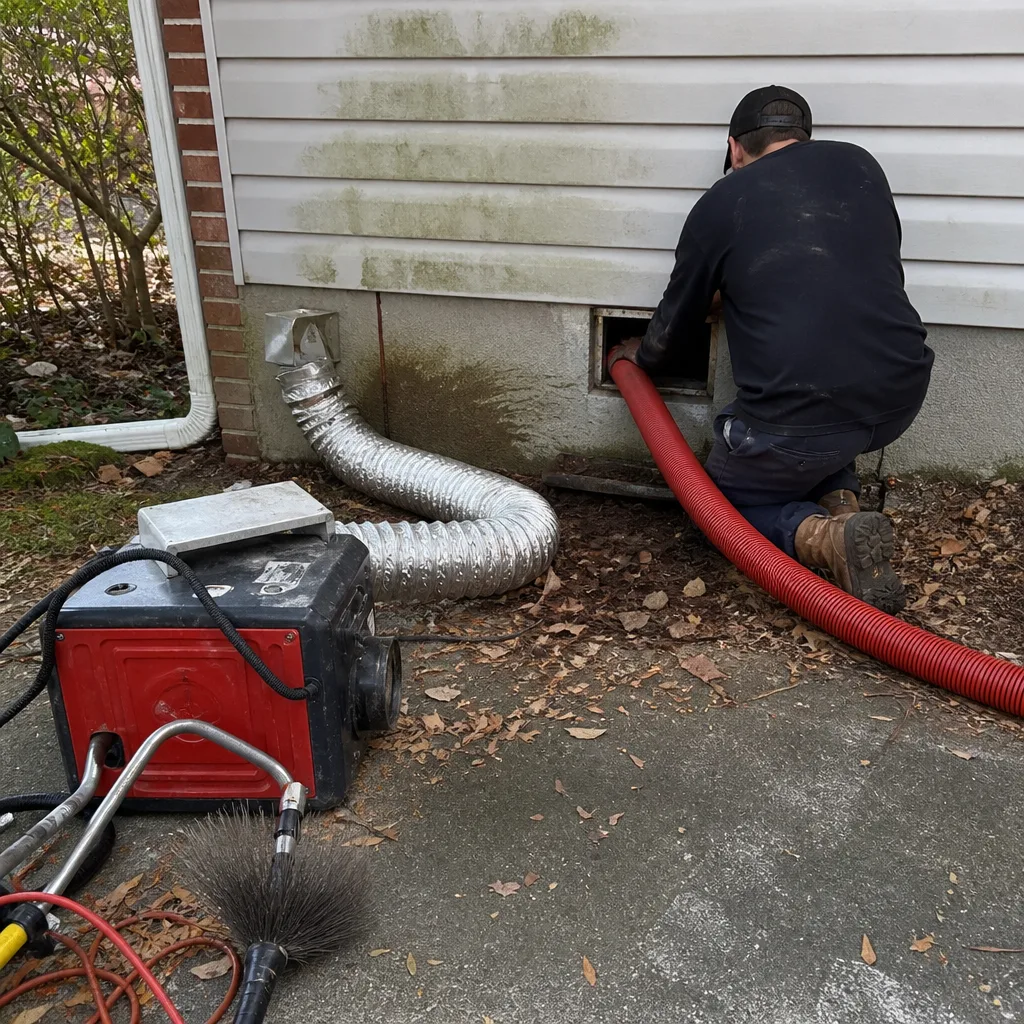
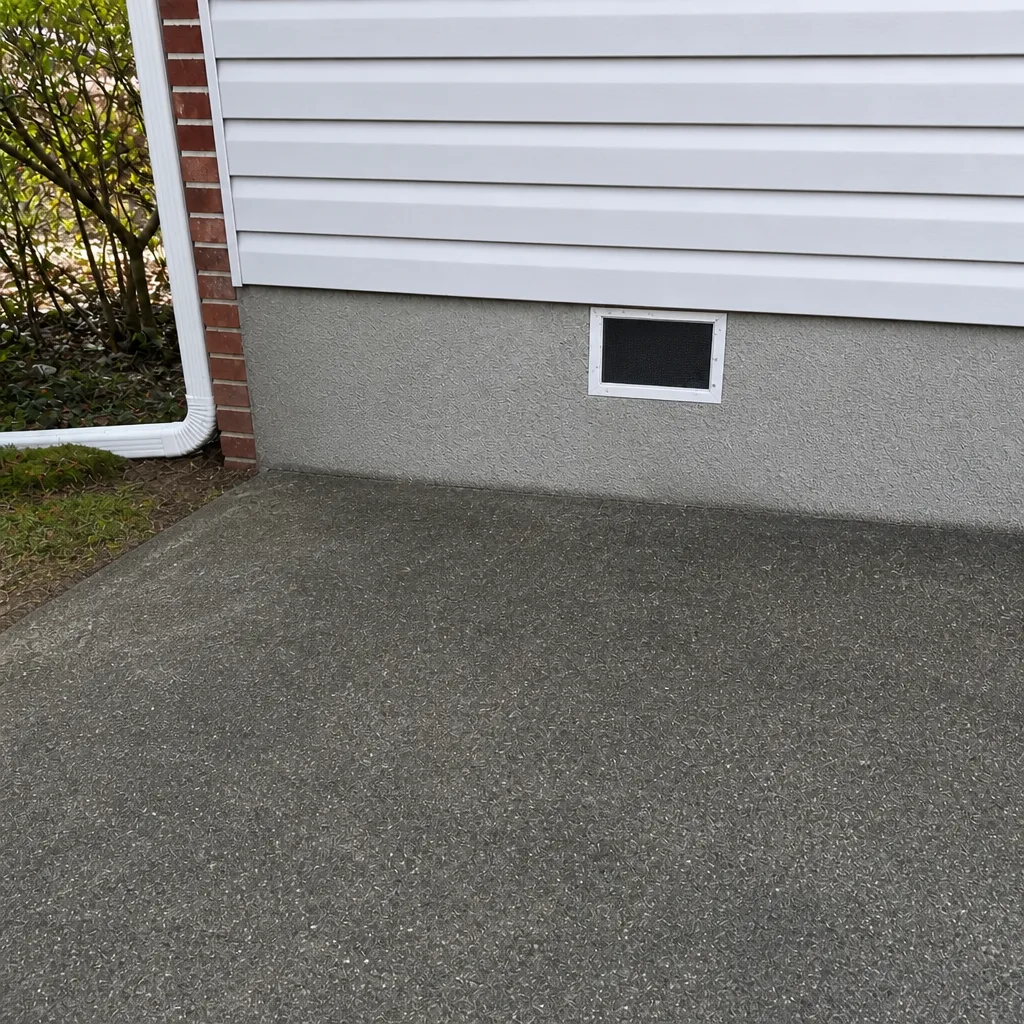
Whole-system duct and dryer vent check with before-and-after photos - you see exactly what came out of your vents
That "$99 whole-house special" is a bait ad - the real number appears once they are in your hallway, or the "clean" is a shop-vac at the register. We photograph the inside of your ducts before and after instead.
Air Duct Cleaning Warning Signs: A Cary Homeowner’s Reference Guide
Visible dust on supply registers is usually the last sign to appear, not the first. By the time you can see it, the interior of the duct trunk has been accumulating for months or years. That’s the trap with air duct cleaning warning signs in Cary: the ones homeowners panic about are often the most cosmetic, and the ones they overlook point to a system problem a standard cleaning won’t fix. This guide walks through what each signal actually means, how to read your home’s air accurately, and how to tell dirty ducts from structurally failed ones.
Styles & brands we work with
- Whole-home duct cleaning
- Dryer vent cleaning
- Camera inspection
- Sanitizing & deodorizing
Quick Answer
You likely need air duct cleaning if you notice musty or stale odors when the system starts, visible dust streaking from supply registers, or a persistent rise in allergy symptoms indoors. Uneven room temperatures and air pressure problems are different – those usually point to duct damage or design issues that need repair before cleaning. The key is reading the signal correctly, because a dirty system and a failed system call for entirely different solutions.
Table of Contents
- Dirty Ducts vs. Failed Ducts: The Distinction That Changes Everything
- Visible Dust on Registers: Why It’s Not the First Sign
- Uneven Room Temperatures as a Duct Diagnostic
- Musty or Stale Odors: Duct Contamination vs. Coil and Drain Pan Issues
- Pet Dander, High Occupancy, and Your Cleaning Interval
- The Post-Renovation Red Flag Most Homeowners Miss
- Allergy and Respiratory Signals Worth Taking Seriously
- What Cleaning Won’t Fix (And What Will)
- Common Mistakes to Avoid
- When to Call a Professional
- Frequently Asked Questions
- The Bottom Line
Dirty Ducts vs. Failed Ducts: The Distinction That Changes Everything
This is the single most useful distinction in this guide. A dirty duct system is choked with accumulated debris but its structure is intact. A failed duct system has lost some of its integrity – a disconnected joint, crushed flex run, collapsed trunk section, or a seam that’s pulled apart behind drywall. Cleaning helps the first. Cleaning only masks the second.
Here’s how the two differ in what you observe:
- Dirty ducts: symptoms build gradually, air still reaches rooms roughly as intended, and the main complaint is odor, dust, or allergy aggravation.
- Failed ducts: one or more rooms feel dramatically different from the rest, airflow is weak or absent from specific vents, or the system seems to fight itself – running hard without delivering comfort.
The practical takeaway: if you’re seeing system-level symptoms rather than just air-quality symptoms, get the ductwork inspected for mechanical failure before you book a cleaning. In our experience, we’ve had homeowners call for cleaning only to learn that a duct run behind a knee wall had come apart years earlier. No amount of brush-and-vacuum work corrects a disconnected duct. That’s a repair, and it usually needs to happen first.
This is why we separate cleaning, clearing, and repair as three distinct services. When a technician arrives, the question isn’t just “how dirty is it?” – it’s “is this system actually closed and delivering air the way it was designed to?” If the answer is no, you’re looking at duct repair, not cleaning.
Visible Dust on Registers: Why It’s Not the First Sign
By the time dust is clearly visible on your supply registers, you’re looking at the tail end of a long accumulation process. Dust collects inside ductwork quietly, in layers, over months and years. It only becomes visible at the register grille when the buildup reaches the point where the airstream pushes particles out past the vent. If you can see it, the interior is already loaded.
What to look for beyond the obvious:
- Dark streaks radiating from the register vanes – this is air carrying debris past the grille.
- Fine dust settling on nearby surfaces shortly after you clean them.
- Black or gray staining on the diffuser edges, especially in bedrooms and living rooms.
- A visible film on ceiling fans or light fixtures in rooms closest to the air handler.
One important nuance: a dusty register doesn’t always mean the whole trunk is compromised. Sometimes it’s local – a single branch run that’s pulling dust from a nearby source, or a filter that’s been neglected. But repeated dust appearing shortly after cleaning is a strong signal that the supply side is loaded and needs attention.
Cary homes sit in a climate with distinct seasons, and that matters. Long summer cooling runs move a lot of air through ductwork, and the transition into heating season stirs up whatever settled during the off-months. Many homeowners notice their first dust puffs of the year when the heat kicks on for the first time. If that describes your spring and fall, it’s a sign the ducts have been sitting long enough to accumulate and then distribute.
Uneven Room Temperatures as a Duct Diagnostic
A room that runs a few degrees warmer or cooler than the rest of the house is one of the most misread signals in home comfort. It can be caused by dirty ducts, but just as often it signals a failed duct, a poorly designed layout, or a damper that’s out of balance. Cleaning won’t fix a system that was never balanced correctly, and it won’t fix a crushed flex run.
Here’s a simple way to think about it:
- Uniform drift: if the whole house feels slightly stale and every room is a bit off, that leans toward dirty ducts.
- One room that’s consistently worse: that leans toward a duct problem specific to that branch – disconnected joint, crushed run, or a supply that’s blocked.
- A room that got worse over time: that points toward a failure – something in the duct path has degraded.
- A room that was always off, since the house was built: that’s usually a design issue, not a cleaning issue.
What cleaning actually fixes in a temperature scenario is air volume. A duct run packed with debris restricts flow, and clearing it can restore some lost delivery. What it won’t fix is air that’s escaping through a joint gap or failing to reach a room at all. In Cary’s two-story homes and finished basements, we regularly see long flex runs running through unconditioned space where a joint has loosened – a problem that requires repair, not cleaning.
Before you book anything, compare the affected rooms against the whole-house pattern. Two mismatched rooms means look at those runs. Uniform staleness means start with cleaning.
Musty or Stale Odors: Duct Contamination vs. Coil and Drain Pan Issues
The musty smell that hits you when the air handler starts is the most common reason people call for duct cleaning – and it’s also the most commonly misdiagnosed. Two very different sources produce nearly identical complaints. Duct contamination smells like an old closet. Coil and drain pan issues smell wetter, sharper, sometimes closer to a damp basement.
Here’s the two-step process we recommend to tell them apart:
- Time the smell. Does it appear only in the first minute or two after the system starts, then fade? Or does it linger throughout the run cycle? A short burst that fades is often coil and drain pan related. A smell that persists while air is moving points more at duct surfaces.
- Check the smell by location. Stand near a supply register in a room far from the air handler, then near the unit itself. If the smell is strongest at the unit, it’s likely coil or pan. If it’s strongest at registers throughout the house, the ducts are the likely source.
A wet condensate pan or a coil with biological growth needs HVAC service before cleaning. Cleaning the ducts won’t remove an odor that’s being generated in the coil and distributed through them. If you’re not sure which you’re dealing with, that’s a case where a proper inspection is worth it.
One more thing: some smells are seasonal. Homes in Cary that sit closed up during a humid stretch can develop a musty note that’s really about humidity and return air intake location, not contamination. A first-run-of-the-season odor that clears after a cycle is a different problem from one that builds every time the system starts. Track the pattern for a week before you decide.
Pet Dander, High Occupancy, and Your Cleaning Interval
The “every three to five years” recommendation you’ll see everywhere is a rough average, not a rule. The right interval depends on what’s actually loading your return ducts. Two households in the same neighborhood with the same square footage can have very different accumulation rates.
Think of it as a household profile calculation:
- Pet hair and dander: each animal in the home adds load to the return side. A home with two large dogs should expect a shorter interval than one with no pets.
- Number of occupants: more people means more skin cells, more laundry lint, more everyday debris drawn back through the return.
- Return intake location: a central return near a hallway that sees heavy foot traffic pulls in more than a return in a quiet zone.
- Filtration quality: a Honeywell or Aprilaire filtration setup in good condition reduces load faster than a standard 1-inch filter changed on schedule.
- Renovation history: any recent remodel changes the math (see the next section).
The practical way to use this: if your household profile is heavy – multiple pets, a large family, an active household – plan on inspecting and cleaning on a tighter cycle. If it’s light, you can wait longer. The honest answer is that there’s no single number. What matters is watching the signs and matching the interval to your actual load.
For high-occupancy and pet-heavy Cary homes, we routinely see return ducts with significantly heavier accumulation than supply runs. That’s expected: returns are always pulling debris in, supplies are pushing air out. When you look for signs, look hardest at the return side.
The Post-Renovation Red Flag Most Homeowners Miss
Drywall dust, sawdust, and fiberglass insulation fibers are categorically different from normal household dust. Household dust is mostly skin cells, textile fibers, and outdoor particles – it’s annoying but it’s low-abrasion and low-volume. Renovation dust is fine, abrasive, and produced in massive quantities over a short window. It also settles into ductwork quickly because the system is usually running in some capacity during the project, drawing fine particles into the return through the furniture-shifting and door-opening that renovations require.
Three things make post-renovation dust distinctive:
- It coats surfaces instead of layering loosely. Drywall dust has an almost adhesive quality on duct interiors, requiring mechanical rotary cleaning rather than a simple vacuum pass.
- It contains known irritants. Sanded drywall compound and fiberglass fragments aren’t just dirt; allergy-conscious households feel them fast.
- It migrates throughout the whole system. Sawdust from a second-floor renovation can end up in first-floor supply runs, because the system distributes it.
The red flag to watch for: dust that appears on surfaces well away from the renovation zone over days or weeks after the project ends. That’s not a surprise; the duct system has become a distribution channel and needs to be cleared. Even a small renovation – a bathroom update, a closet build-out – can deposit enough fine dust to warrant a full cleaning, especially if the system ran during the work.
This is where professional capture equipment matters. Consumer shop-vacs leave fine dust suspended as the source duct is disturbed. Abatement Technologies negative-air and HEPA filtration is designed specifically for this scenario – the type of equipment used in indoor air quality remediation. It’s the difference between moving dust around and actually capturing it. Ask any duct cleaning company what they deploy during a renovation-related job; the honest ones will tell you.
Allergy and Respiratory Signals Worth Taking Seriously
Allergy-conscious households often notice a duct problem before it becomes visible. The pattern to watch is a shift indoors – symptoms that used to be seasonal start appearing year-round, or start appearing in rooms with heavy register use. This is worth tracking in a dated log; the pattern is usually more diagnostic than the individual symptom.
Signals to log:
- Morning congestion that improves after leaving the house and returns the next morning.
- Symptoms clustered in a specific room rather than across the whole home.
- Dust-sensitive family members noticing a difference when the system cycles on.
- Pets scratching more in specific rooms.
- A sudden increase after a renovation, move-in, or a long stretch of closed-window weather.
None of these alone confirm contaminated ducts. Combined with visible dust at registers or recurring odors, they add up. For homes with known allergy and respiratory sensitivity in Cary, we treat duct cleaning as part of indoor air quality management – not a cure-all, but a mechanical cleaning step that makes filtration and HVAC work more effective.
Professional cleaning with HEPA capture and negative-air containment matters more for these households, because the cleaning process itself has to avoid re-suspending particles. That’s a detail worth asking about before hiring anyone.
What Cleaning Won’t Fix (And What Will)
Being honest about cleaning’s limits is more useful than overselling it. Air duct cleaning restores the interior of the Ductwork by mechanically removing accumulated debris with rotary equipment and capturing it with HEPA vacuuming. It improves airflow and reduces what’s available to become airborne. What it doesn’t do is correct structural problems or design flaws.
What cleaning won’t fix:
- Disconnected joints: if a duct has separated, air escapes into wall cavities or unconditioned space. That’s repair.
- Crushed or kinked flex runs: flow is restricted by damaged duct, not dirt. Repair.
- Poorly balanced systems: if a room was never properly served by the design, cleaning doesn’t redesign it.
- Coil and drain pan biological growth: HVAC service, then cleaning if ducts were exposed.
- Inadequate filtration: a Honeywell or Aprilaire upgrade addresses what the ducts pull in; cleaning addresses what’s already there.
What cleaning will fix, when done with professional equipment like Rotobrush rotary systems and Nikro HEPA capture: accumulated debris, register dust streaks, musty odor sourced to duct surfaces, and reduced airflow from packed trunks. The point is matching the treatment to the diagnosis. If a service provider doesn’t ask you whether the system is delivering air correctly before they quote cleaning, that’s a red flag about the provider, not your ducts.
This is why we cover repair as a service alongside cleaning. Underscoping at the diagnosis stage costs you more down the line.
Common Mistakes to Avoid
- Treating the first dust puff as a cleaning emergency. A spring dust release when the heat starts is often normal. Watch for a repeat pattern over two or three weeks before booking.
- Assuming one room’s temperature issue is a cleaning problem. Check what’s actually failing first. A disconnected branch run wastes a cleaning visit; a repair fixes the room.
- Booking cleaning for a smell that’s actually coming from the coil. If the smell is strongest at the air handler, get HVAC service before duct cleaning, or you’ll pay for both in the wrong order.
- Ignoring post-renovation dust. Fine drywall and insulation dust is different from household dust, and small renovations are just as likely to load the ducts as large ones. Clear the system after any project that ran with the air handler on.
- Accepting a per-vent quote or a teaser coupon. Ask for a flat price per system agreed in writing before work starts, and ask what equipment is coming. If the answer is a shop vac, it’s not a professional job.
- Using a general cleaning interval that ignores your household. Pet-heavy and high-occupancy Cary homes should inspect on a shorter cycle than the standard recommendation. Your household profile matters more than the calendar.
- Skipping the return side. Return ducts see far more accumulation than supply. If your cleaner only brushes the supply registers, the job is half done.
When to Call a Professional
Call a professional when the signs point to system-level problems rather than simple surface dust. Specifically: recurring musty odors when the system starts, visible dust that reappears within days of cleaning, rooms that consistently run hot or cold, allergy symptoms that shifted to year-round, dust visible after any renovation, or a dryer vent that hasn’t been cleared and feels slow to dry. Dryer vent cleaning is a fire-safety service, not a convenience – lint builds quickly and reduces both drying performance and safety. For dryer vent cleaning, don’t wait for a visible sign; schedule it as routine maintenance.
If your ducts need professional cleaning, we use Rotobrush and Nikro equipment with Abatement Technologies HEPA filtration and negative-air containment during the job. You’ll know what’s being deployed before we start. Duct Cleaning Cary offers free estimates in Cary – call (833) 608-1198. We answer 24/7. Fast dispatch from 7am to 7pm, Sunday through Friday.
Frequently Asked Questions
The strongest indicators are recurring musty odors when the system starts, visible dust streaking from supply registers, dust appearing within days of cleaning, and allergy symptoms that have shifted from seasonal to year-round. Uneven room temperatures are a separate signal – those usually point to duct damage or design issues that need repair, not cleaning. If you’re seeing multiple signals at once, that’s when to have a professional inspect the system and give you a written estimate.
There’s no universal answer – the right interval depends on your household. Homes with multiple pets, high occupancy, recent renovations, or heavy allergy sensitivity should inspect and clean on a shorter cycle than the standard three-to-five-year recommendation. Smoking in the home, woodworking, and high-dust hobbies also shorten the useful interval. The signs matter more than the calendar: watch the pattern, not the years.
Sometimes, but not always. Cleaning restores airflow when a duct run is restricted by accumulated debris, and that can improve delivery to a room. It won’t fix a disconnected joint, crushed flex run, or a room that was poorly served by the original design. Check whether the affected room got worse over time or has always been off – that distinction tells you whether cleaning will help or whether you need duct repair first. Call (833) 608-1198 for a free estimate and a straight answer.
Yes – post-renovation duct cleaning is worth doing in almost every case, especially if the HVAC system was running during the work. Drywall dust, sawdust, and insulation fibers are categorically different from household dust; they’re fine, abrasive, and produced in high volume. Even small projects routinely load the ducts enough to warrant a full cleaning. Professional cleaning with HEPA and negative-air containment prevents re-suspending that dust during the job.
Visible dust is the last sign to appear, not the first, so “they look fine” isn’t a reliable measure. If you’re experiencing recurrent odors, seasonal allergy shifts, or dust reappearing on surfaces quickly, the interior of the ducts may be loaded even when the registers look reasonable. A proper inspection with a camera and an honest conversation is more useful than a visual check from the floor.
A dirty system is full of debris but structurally intact; a failed system has lost integrity through a disconnected joint, crushed run, or damaged trunk section. Cleaning helps the first and only masks the second. Symptoms that point toward failure include one room dramatically worse than the rest, weak or absent airflow at specific vents, or a system that runs hard without delivering comfort. If those match what you’re seeing in your Cary home, get a repair inspection before you book cleaning.
The Bottom Line
Most duct cleaning warning signs are misread. The ones homeowners worry about – visible register dust – are usually the last signal to appear, not the first. The ones they overlook, like one room that’s always uncomfortable or a smell that only shows up when the system cycles, often mean the problem is structural and cleaning alone won’t solve it. Read the pattern, not the single symptom. Match the treatment to the diagnosis. And when you book a cleaning, ask what equipment is coming – Rotobrush, Nikro, and Abatement Technologies HEPA capture are what separate a real professional job from a shop-vac visit.
If your Cary home shows several signs from this guide, call Duct Cleaning Cary at (833) 608-1198 for a free estimate. We answer 24/7. Fast dispatch from 7am to 7pm, Sunday through Friday. We’ll inspect the whole system – cleaning, dryer vent clearing, and repair – and give you one flat price per system in writing before we start. You’ll also get before-and-after photos of your own ducts so you can see exactly what changed.
Learn more about air duct cleaning or explore our full Duct Cleaning Cary service page to see how we approach each job.
Written by the team at Duct Cleaning Cary.
See the difference
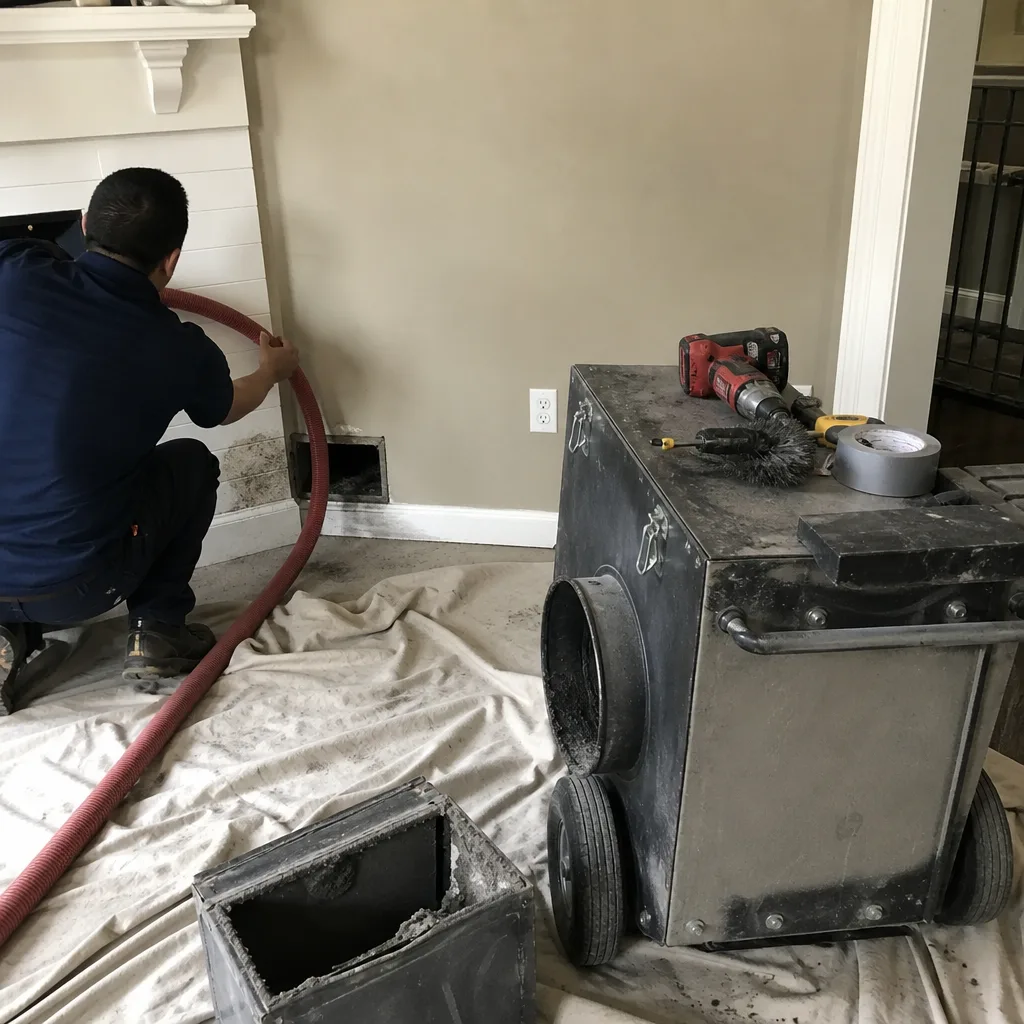 Before
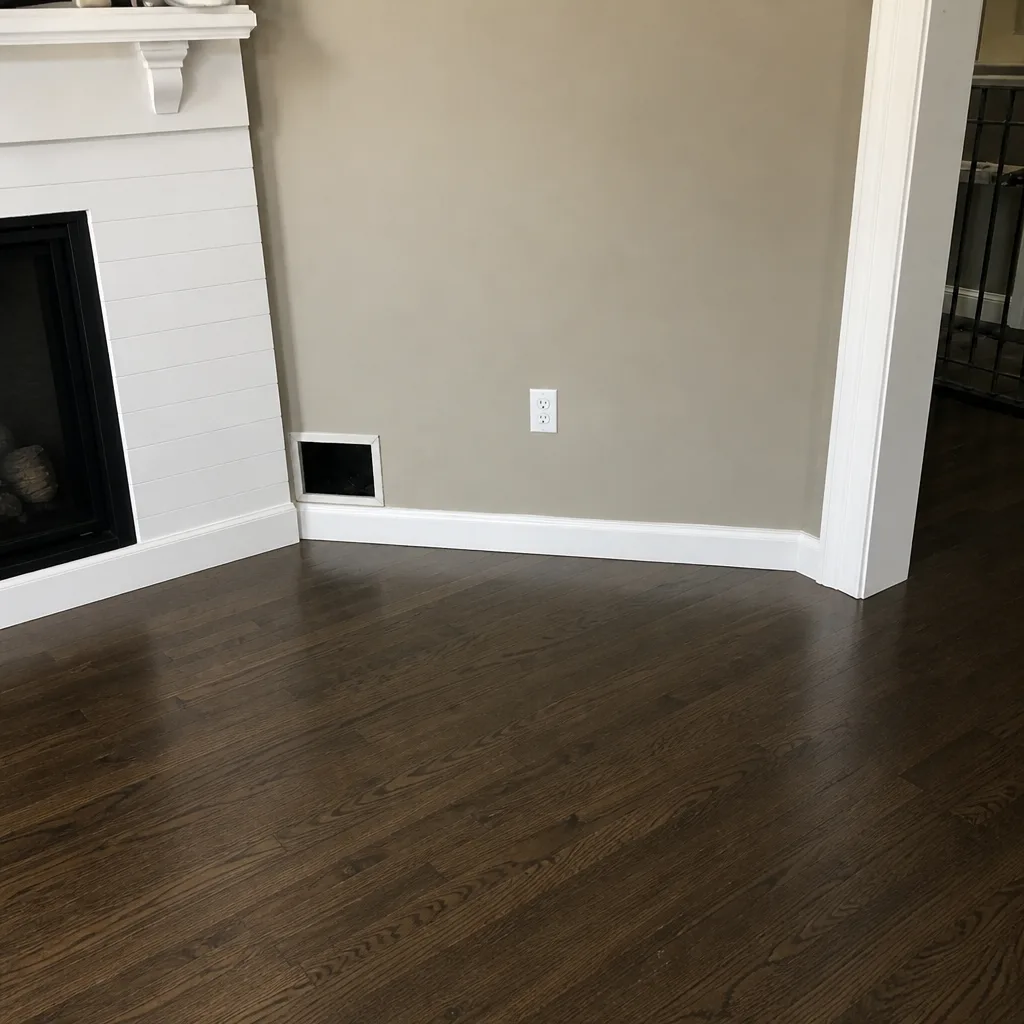 After
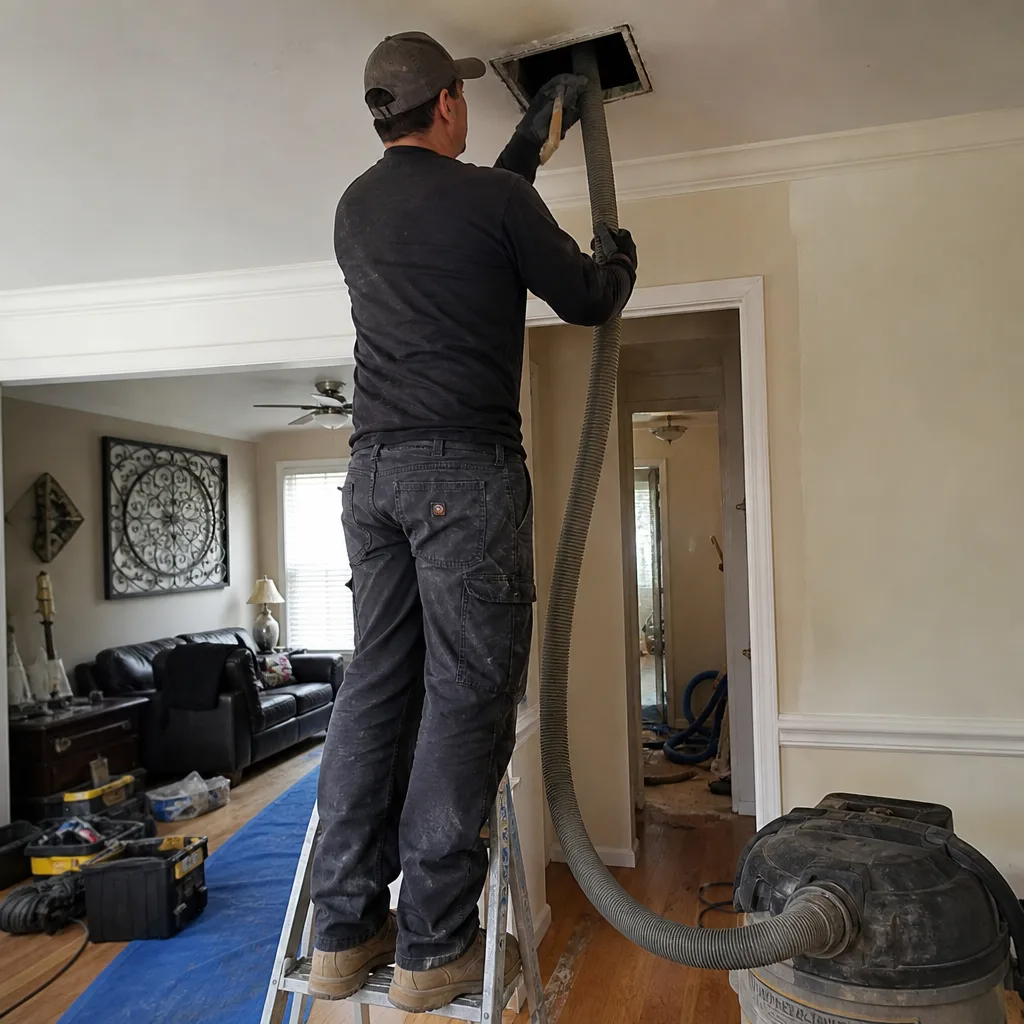 Before
 After
 Before
 After