
Last updated November 16, 2026
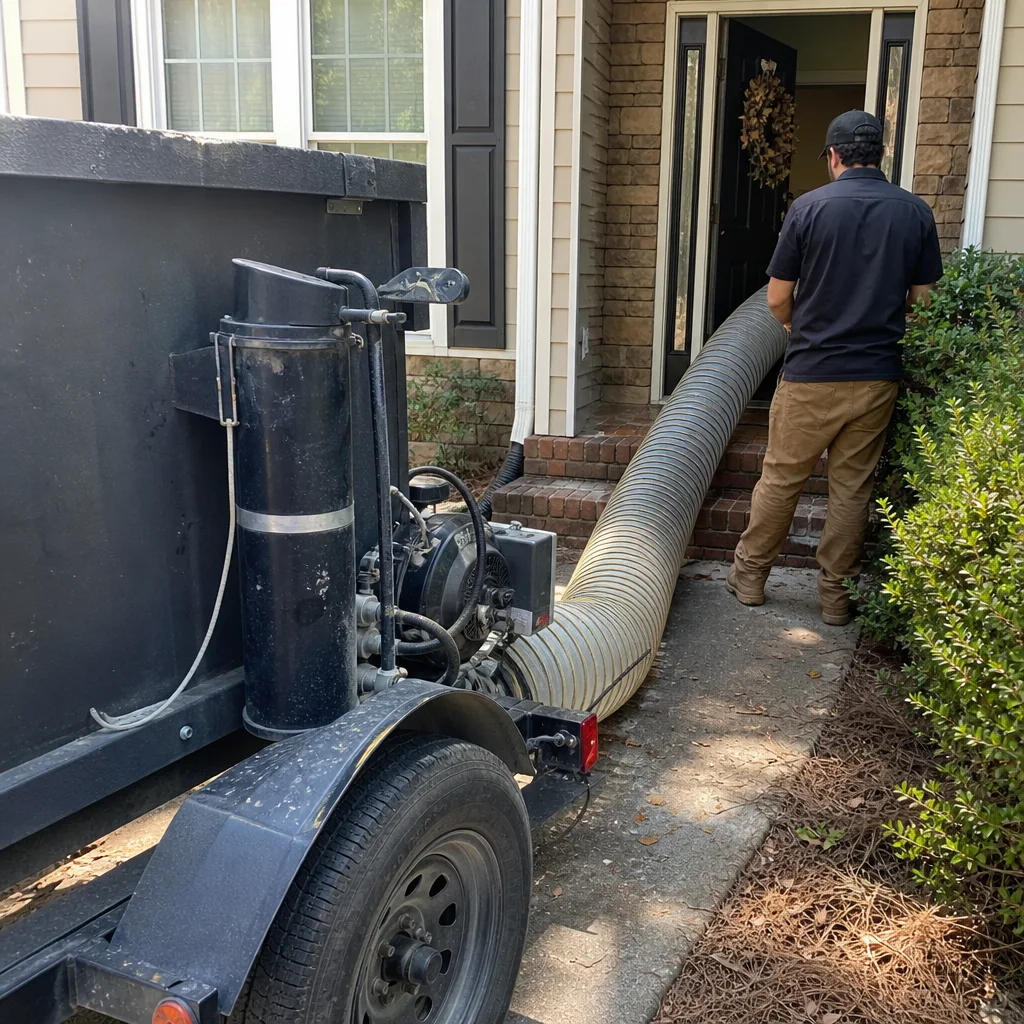
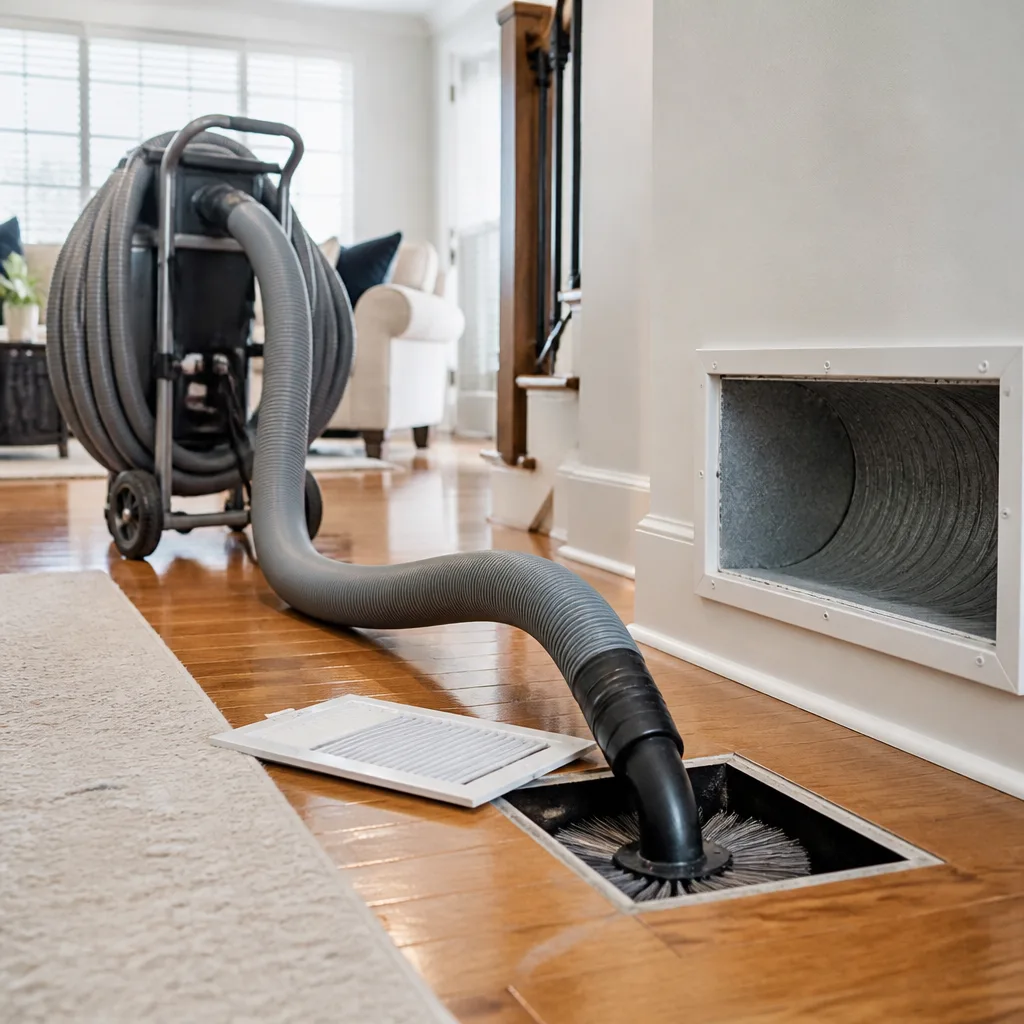 Whole-home duct cleaning
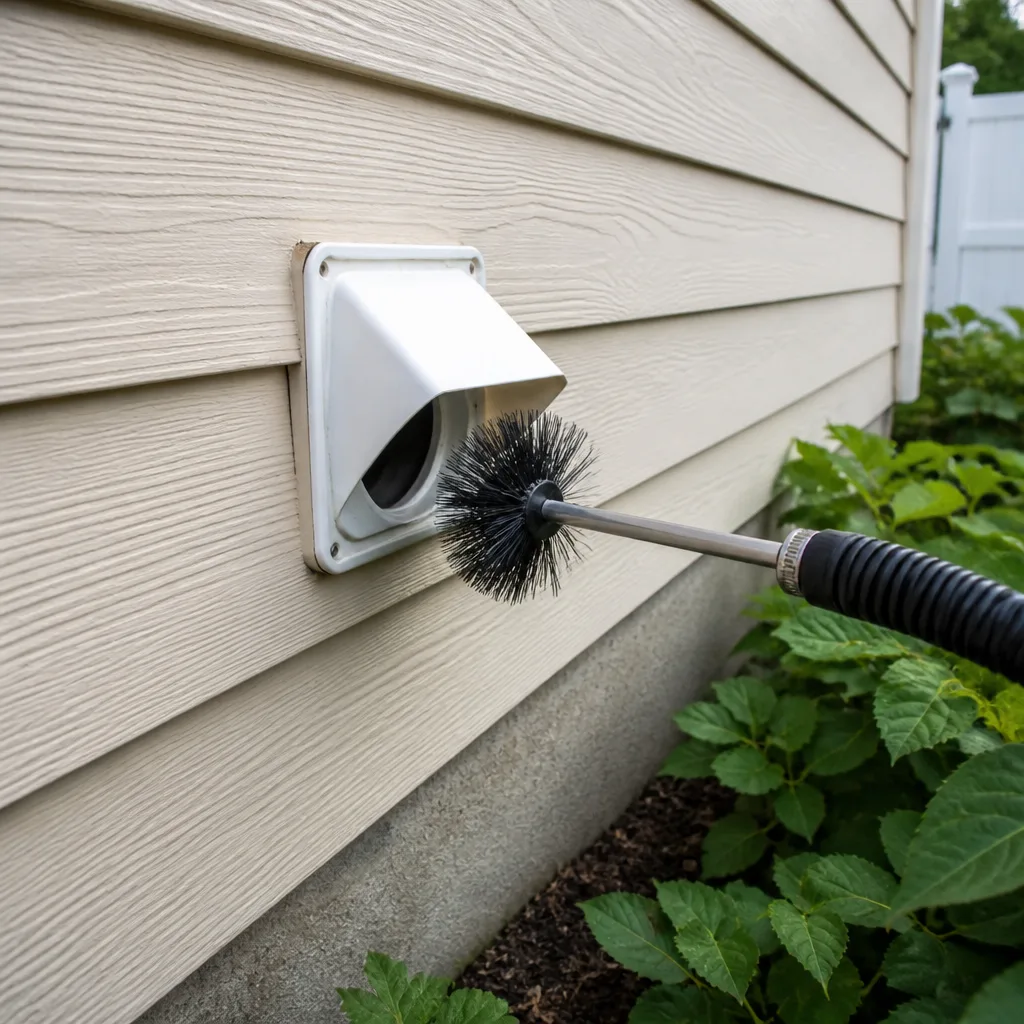 Dryer vent cleaning
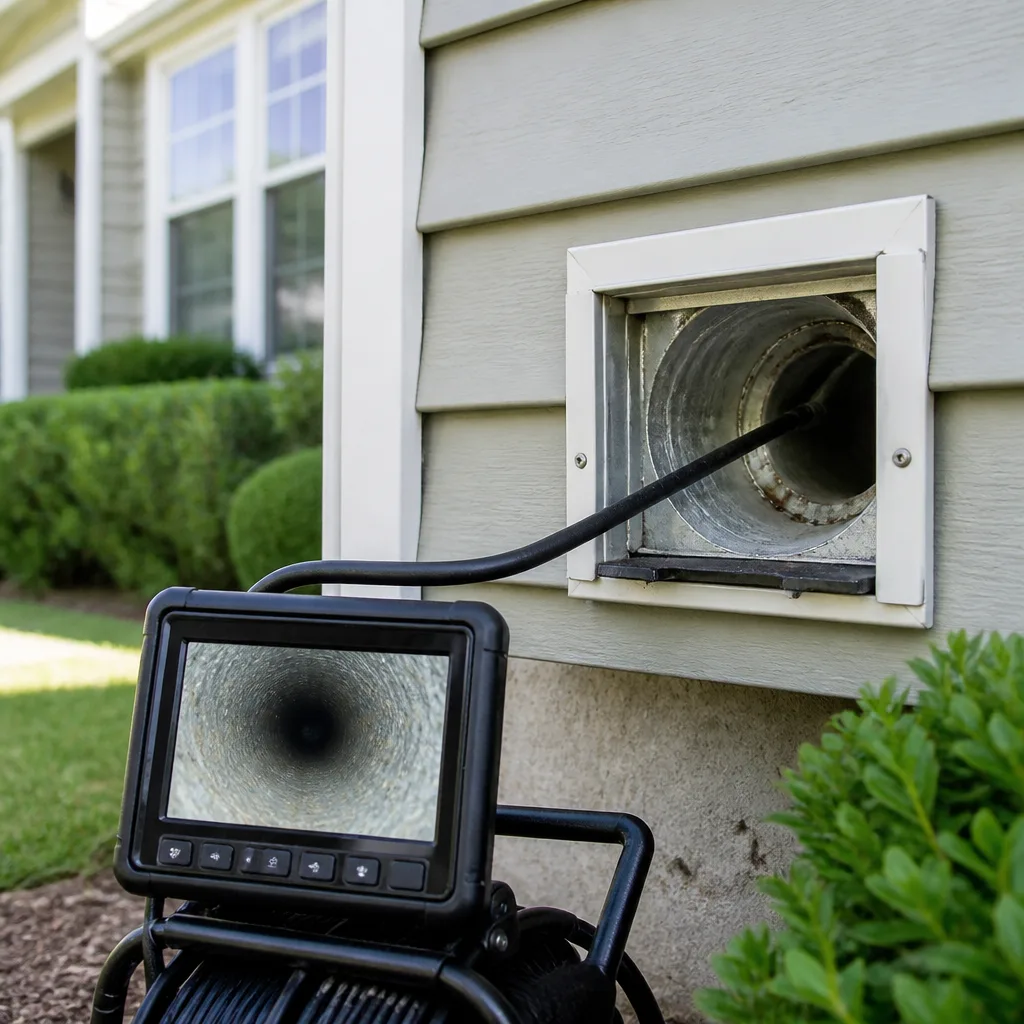 Camera inspection
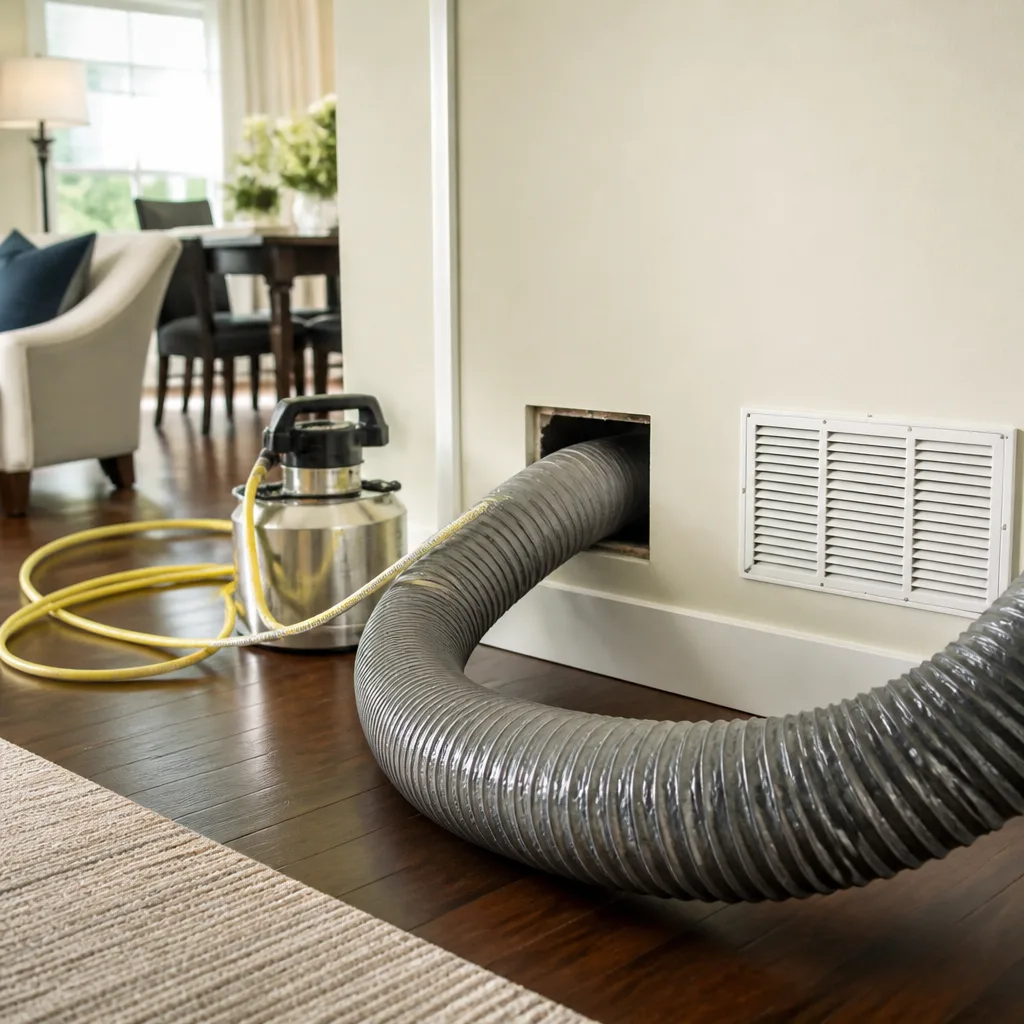 Sanitizing & deodorizing
Whole-system duct and dryer vent check with before-and-after photos - you see exactly what came out of your vents
That "$99 whole-house special" is a bait ad - the real number appears once they are in your hallway, or the "clean" is a shop-vac at the register. We photograph the inside of your ducts before and after instead.
Air Duct Cleaning Permits, Codes & Inspections in Cary, NC: What You Need to Know
Here’s the part most homeowners get backwards: the cleaning itself isn’t the risky step. Plain air duct cleaning in Cary doesn’t require a town permit. What requires a permit is everything that happens when a contractor crosses from cleaning into changing your mechanical system. We’ve watched homeowners hire a company to “clean and reseal” a duct run, only to end up with unpermitted work buried inside a wall and no paper trail putting the liability on the contractor. That’s a problem, because the permit record follows the house, not the person who skipped the paperwork.
This guide walks through where the line sits under the NC State Building Code, when a dirty duct becomes a mold remediation job under state licensing rules, which authority in Cary handles what, and how to check a contractor before anyone touches the system.
Quick Answer
Air duct cleaning by itself does not require a permit in Cary, NC. A permit becomes necessary when the work crosses into mechanical modification of the duct system, such as replacing a section of duct, reconnecting a disconnected trunk, adding new runs, or installing equipment inside the air handler. Mold remediation inside ductwork falls under separate North Carolina licensing rules, and Town of Cary building permits govern residential mechanical work inside town limits, with Wake County handling certain site and environmental review items outside the town’s jurisdiction.
Styles & brands we work with
- Whole-home duct cleaning
- Dryer vent cleaning
- Camera inspection
- Sanitizing & deodorizing
Table of Contents
- Does air duct cleaning require a permit in Cary?
- What NC State Building Code Section M1601 covers
- Cleaning vs. remediation: where the line is
- Town of Cary vs. Wake County: who permits what
- UV purifiers and sanitizers inside the air handler
- How to verify a contractor’s NC license
- What an inspection actually looks like
- Common mistakes to avoid
Does air duct cleaning require a permit in Cary?
No. Air duct cleaning is a maintenance activity, and maintenance of an existing system does not trigger a permit under the North Carolina residential code. Removing dust, debris, and biological buildup from duct interiors, cleaning the supply and return plenums, and cleaning the air handler components are all maintenance tasks. A contractor can do them without pulling anything from the town.
Where it changes is when the job expands past cleaning into construction. The following all typically require a mechanical permit in Cary:
- Replacing flex duct runs or sections of rigid ductwork
- Reconnecting a duct that has separated from a trunk line or register boot
- Adding a new supply or return to serve a room that didn’t have one
- Changing the size, layout, or routing of duct runs
- Installing a UV light, ionizer, or powered air purifier inside the air handler cabinet or duct plenum
- Cutting a new access panel into ductwork where none existed and the panel becomes part of the air seal
If a company shows up for a cleaning and starts cutting, splicing, or mounting equipment, you should be asking a straightforward question before the work continues: is this cleaning, or is this a mechanical change? If it’s a mechanical change, a permit should exist, and the person doing it should hold the right NC license. Duct Cleaning Cary draws that line clearly in every conversation so homeowners don’t get stuck holding liability for work they didn’t authorize.
One more point worth flagging: some techs treat a small reconnection as “just cleaning.” From a code standpoint, a reconnected trunk is a repair, and repairs to mechanical systems in Cary are generally permitted work.
What NC State Building Code Section M1601 covers
Section M1601 of the North Carolina Residential Code governs duct systems. It sets standards for duct materials, installation, sealing, support, insulation, and access. From a homeowner’s perspective, the pieces of M1601 that matter most relate to access and integrity of the system.
What M1601 addresses, in plain language:
- Duct construction and materials: what materials are allowed and how they must be installed
- Sealing: duct joints and seams are expected to be sealed to limit air leakage
- Support and protection: ducts must be supported and protected from damage, particularly in unconditioned spaces
- Access: where access panels are required or expected so a technician can clean and inspect the system
- Connections: how ducts connect to the air handler, plenums, and registers
When a cleaning company adds an access panel or cuts into a duct to reach a section, the method matters. A crude cut that isn’t sealed back properly compromises the system’s air seal and can cause energy loss and moisture problems down the road. A permitted install will get inspected under M1601. A “just cleaning” install won’t. That gap is where problems hide, and it’s exactly why we treat a repair as a repair, not an upgrade to a cleaning service.
The North Carolina code doesn’t require a permit for duct cleaning on its own. But if the cleaning reveals a problem that requires a code-compliant fix, the fix is what gets permitted, not the cleaning. Homeowners often don’t know this distinction until they sell the home and the inspector finds a modification with no record.
Cleaning vs. remediation: where the line is
Cleaning means removing normal dust, debris, and accumulation from the duct system. Remediation means addressing a contaminant problem, typically mold, that requires containment, negative air pressure, and specialized protocols. In Cary’s humid summers, duct interiors in unconditioned or partially conditioned spaces can hold moisture long enough for biological growth to take hold, and that’s how a routine cleaning turns into a remediation project.
When a system crosses from cleaning into remediation, North Carolina’s mold contractor licensing rules apply. A company performing mold remediation on a structure, including duct interiors, is expected to hold the proper state license for that work. A duct cleaning company without mold remediation credentials should not be doing mold removal inside ductwork, even if the problem is limited to the interior of the system.
Here’s how to tell which one you’re dealing with:
- Visual inspection: a technician views the duct interior, usually with a camera, and documents what they find.
- Assessment: visible growth, odor, or moisture indicates a possible mold problem and points toward remediation, not cleaning.
- Sample testing, if needed: in some cases, surface or air sampling confirms whether the issue is biological and how serious it is.
- Containment and remediation: the licensed work begins, using negative air pressure, HEPA filtration, and physical removal of the affected material. Abatement Technologies negative-air equipment is the standard for this class of work; we deploy that equipment on jobs where keeping debris out of the living space is the priority.
- Clearance: after remediation, verification that the problem is resolved.
If a company tells you the ducts have mold and they can clean it up in the same visit “as part of the cleaning,” ask two questions: what is your NC mold remediation license status, and is this a remediation project? A calm, confident answer is your signal. A deflection is not.
Our approach with a mold-affected system is straightforward: if remediation is required, we say so, and we work with licensed professionals so the homeowner isn’t caught between a cleaning invoice and an unpermitted remediation. For duct-only cleaning on a system with no growth, that step is unnecessary and the job stays a standard cleaning.
Town of Cary vs. Wake County: who permits what
Homeowners in Cary often assume they’re dealing with one authority. Depending on where the property sits and what the work involves, they may be dealing with two.
At a general level:
- Town of Cary: issues residential building, mechanical, plumbing, and electrical permits for work inside town limits. Inspections are conducted by town code officials, and permit status is tracked through the town’s online permit portal.
- Wake County: handles certain site, environmental, and development review items, along with county-level permitting for work outside Cary’s jurisdiction in unincorporated areas.
For residential duct cleaning, this distinction mostly matters when the work scopes with a mechanical modification. If a contractor reconnects a duct or installs a UV system inside the air handler, the permit should be pulled through the town. Outside town limits, in parts of Wake County, the county handles it.
Homeowners in zip codes that straddle town boundaries sometimes get clear, sometimes get a shrug. If you’re unsure which jurisdiction applies to your property, the Town of Cary permit office can tell you in a phone call, and that answer is worth having in writing before any work starts. We don’t guess on jurisdiction, and neither should the company you hire.
UV purifiers and sanitizers inside the air handler
This is the one that catches homeowners off guard the most. A company arrives for a duct cleaning, and during the visit the technician suggests installing a UV air purifier or sanitizer inside the air handler. Honeywell and Aprilaire both make solid in-duct IAQ products, and adding one to a system isn’t inherently a bad idea. But it is HVAC modification, and that changes the rules.
Installing equipment inside the air handler cabinet or duct plenum involves:
- Cutting into the cabinet or duct
- Wiring the unit to line voltage or the system’s power
- Sealing the new penetration to code
- Ensuring clearances and airflow are not compromised
In most cases, that work is mechanical and electrical modification that should be performed by a licensed mechanical contractor and permitted through the Town of Cary. A duct cleaning technician without mechanical licensing should not be installing it, even if the equipment is available for purchase.
We work with brands like Honeywell and Aprilaire, and we’re capable of identifying system-wide IAQ opportunities while cleaning. But when a job crosses into installing an IAQ device, that’s a licensed mechanical and electrical task, and we tell homeowners exactly that instead of bundling it into a cleaning invoice. You can always say no to the upsell and get a separate quote from a licensed mechanical contractor. A reputable company will be fine with that.
One more note: some UV systems are sold as “sanitizers” and marketed heavily. Those claims are a marketing angle, not a code category. What matters for permitting is the installation, not the label on the box.
How to verify a contractor’s NC license
Before any work that crosses from cleaning into mechanical modification, verify the license. North Carolina doesn’t have a separate “duct cleaning” license, but mechanical work, mold remediation, and electrical work each carry their own license categories. Knowing which one applies to your job is the first step.
Use this checklist before hiring:
- Ask the scope question first: “Is this cleaning only, or will it include any repair or installation?” Get the answer in writing.
- Identify the license needed: cleaning only needs no license, though a business license and insurance should still be on file. Repair or installation of ductwork needs a mechanical contractor license. Mold remediation needs a mold contractor license.
- Check the license: the NC Licensing Board for General Contractors and the NC Licensing Board for mechanical and other specialty trades maintain searchable databases. Search by company name and by the individual’s name if it’s given to you.
- Confirm insurance: request a certificate of insurance showing liability coverage. A legitimate company provides this without friction.
- Confirm permit responsibility: for permitted work, ask who pulls it. The homeowner can pull a permit, but that puts the responsibility, and the inspection liability, on you. The licensed contractor should be the one pulling it.
- Get the estimate in writing: scope, price, and any expected permits. We set one flat price per system before any work starts, so there’s no surprise invoice and no ambiguity about what the permit covers.
The pattern to watch for: a company that’s cagey about licensing, “handles the paperwork” for you, or offers to skip the permit because “it’s a small job.” Small jobs are exactly where unpermitted work hides.
What an inspection actually looks like
Duct cleaning itself isn’t inspected by the town, but permitted mechanical work is. Knowing what to expect on the inspection side makes the process less opaque, and it also arms you to notice when a company is brushing off something that should be inspected.
A typical mechanical inspection for duct work involves:
- Visual review of the installation: duct connections, sealing, support, and clearances against the plans submitted with the permit
- Confirmation of access panels and service clearances: the code compliance points that impact future maintenance
- Sealing and insulation checks: joints sealed, insulation installed and continuous where required
- Equipment verification: if air handler equipment was installed or modified, that it matches the permitted scope
The inspector compares the work to the plans on file with the permit. If the scope of work doesn’t match, the inspection fails and the contractor has to correct the work. That’s the system working as intended.
If a company finishes work that required a permit and tells you the inspection “isn’t really needed,” or that they will “handle it when they’re next in the area,” the inspection hasn’t happened. The permit sitting open on the town’s books becomes your problem when you sell, refinance, or file a claim. Our guidance to Cary homeowners is simple: ask for the inspection result in writing, and follow up on the town’s permit portal if you’re not sure. A cleared inspection should be verifiable in a couple of minutes.
For our own cleaning jobs, no inspection is required, since no permit is pulled. That’s not a loophole; it’s the nature of the work. The comparison point is when a company starts proposing repairs. The moment that conversation begins, so should the permit question.
If you suspect your ducts are contributing to allergy symptoms, poor airflow, or high energy bills and you want an honest assessment of whether your situation is cleaning or remediation, start with a call. We can walk through what an air duct cleaning in Cary actually involves on a system like yours, and tell you plainly if the situation calls for something more.
Common Mistakes to Avoid
- Assuming “permit” doesn’t matter for duct work. Cleaning doesn’t, but repairs and equipment installs do. Asking which category your job falls into before work starts prevents the surprise.
- Letting a company cut into ducts as part of “cleaning” without a scope change. A cut to install a new access panel or reconnect a run is a repair, not a cleaning, and the invoice should reflect that.
- Accepting a verbal “we’ll handle it” on permitting. A permit pulled under a licensed contractor is the only version of “handled” that counts. Town permit portals show the truth.
- Missing the mold remediation licensing distinction. Mold remediation inside ducts requires specific credentials. A company that claims to “clean up mold” without them is overstepping.
- Installing a UV purifier or sanitizer as part of a cleaning visit without a mechanical contractor involved. It’s an HVAC modification; treat it as one.
- Not verifying insurance. In Cary, where duct systems sit in hot attics and crawlspaces throughout the summer, a botched install that leaks air or moisture becomes a much bigger problem. Insurance documents should be standard, not a hassle.
- Using price as the only filter. A duct cleaning quote that’s far below everyone else’s usually means a shop vac and a brush. That’s not the same job as professional rotary cleaning with HEPA capture, and it doesn’t come with the same understanding of what crosses into mechanical work.
See the difference
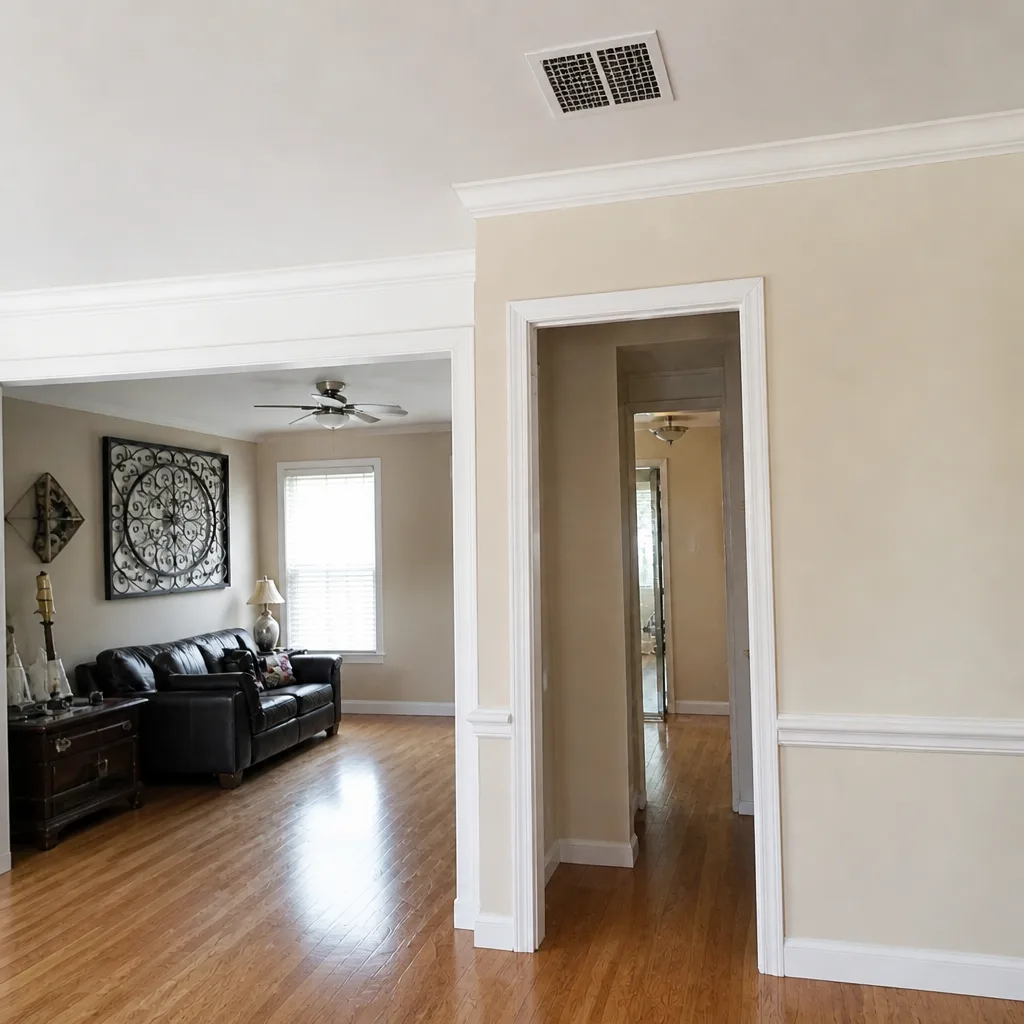
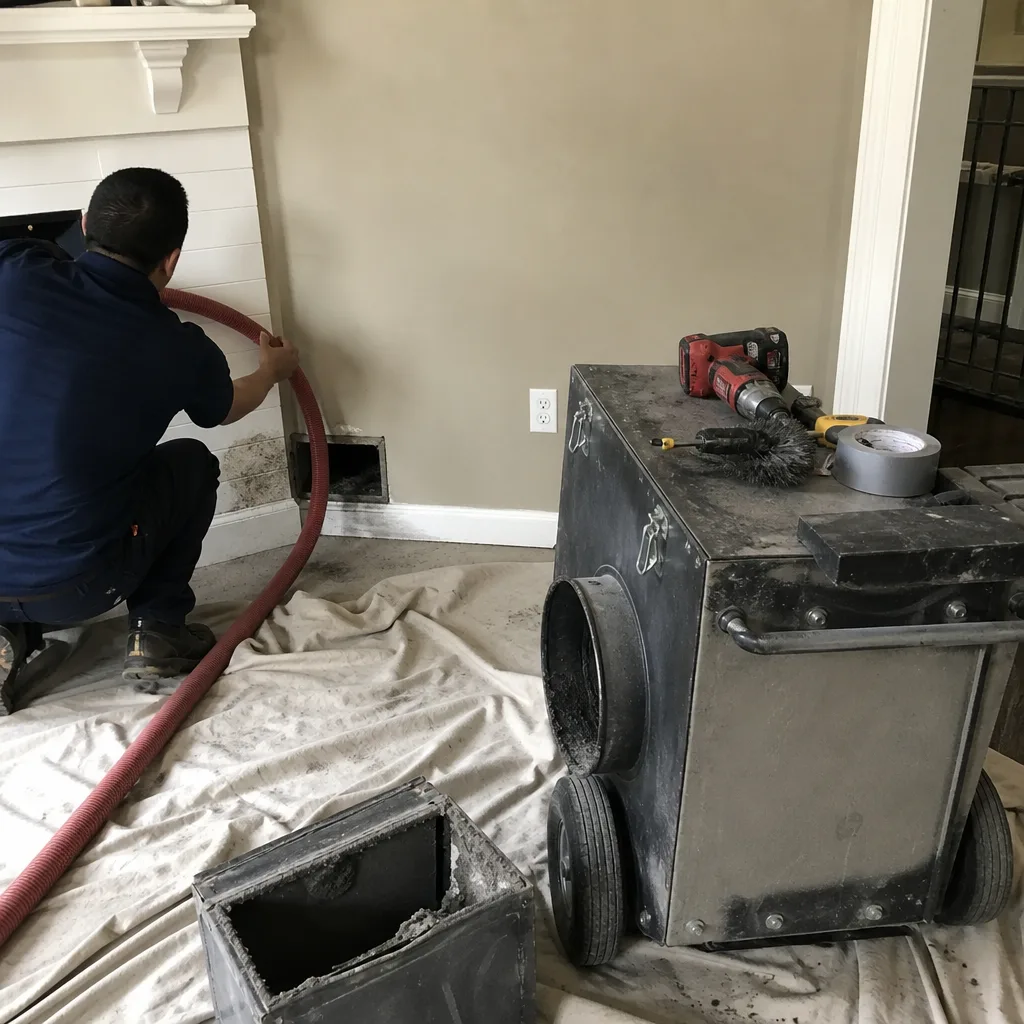 Before
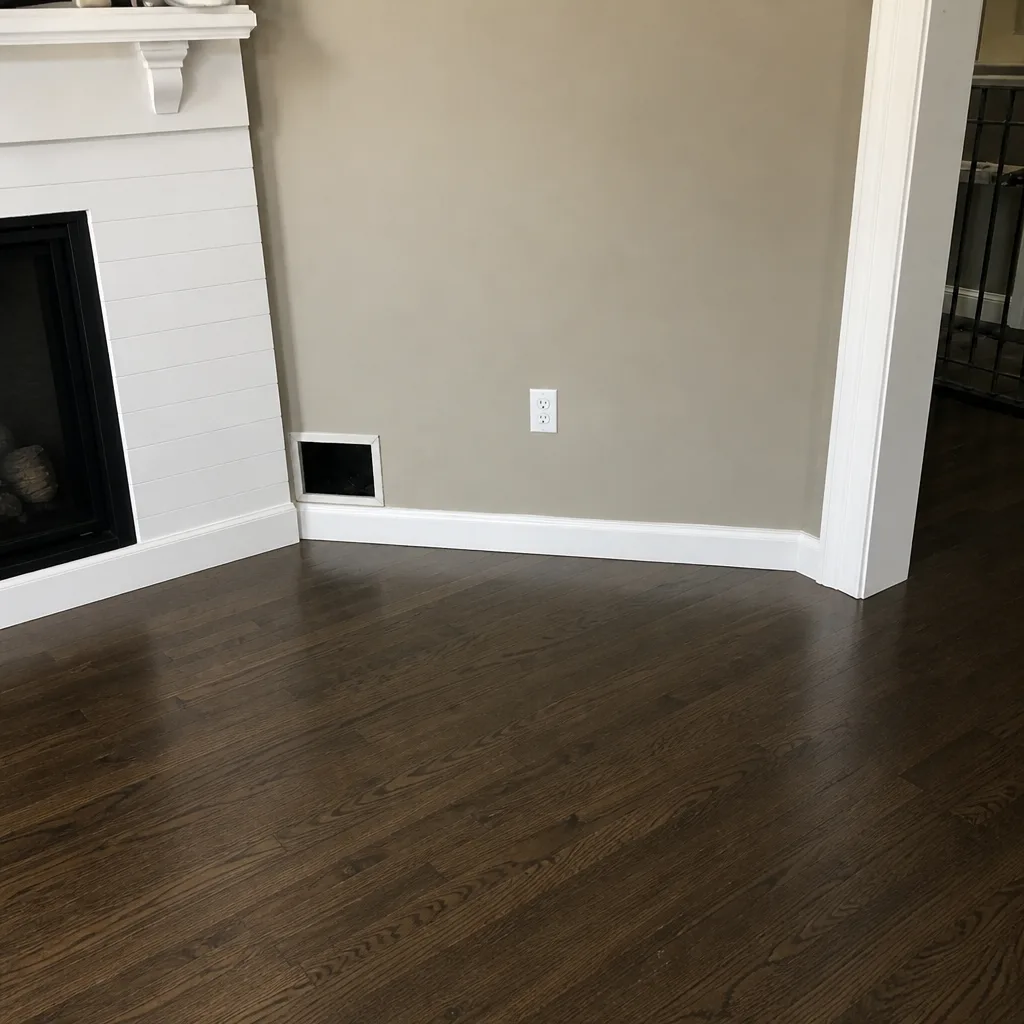 After
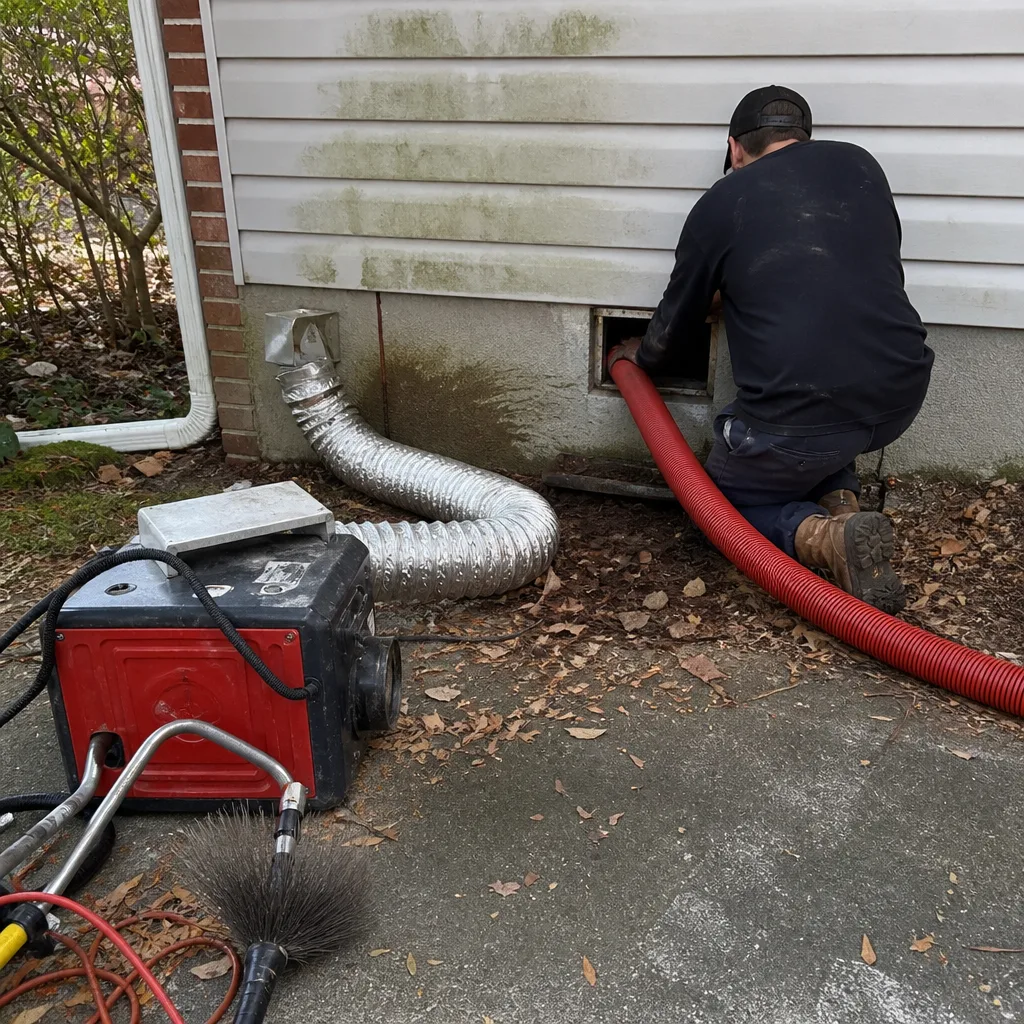
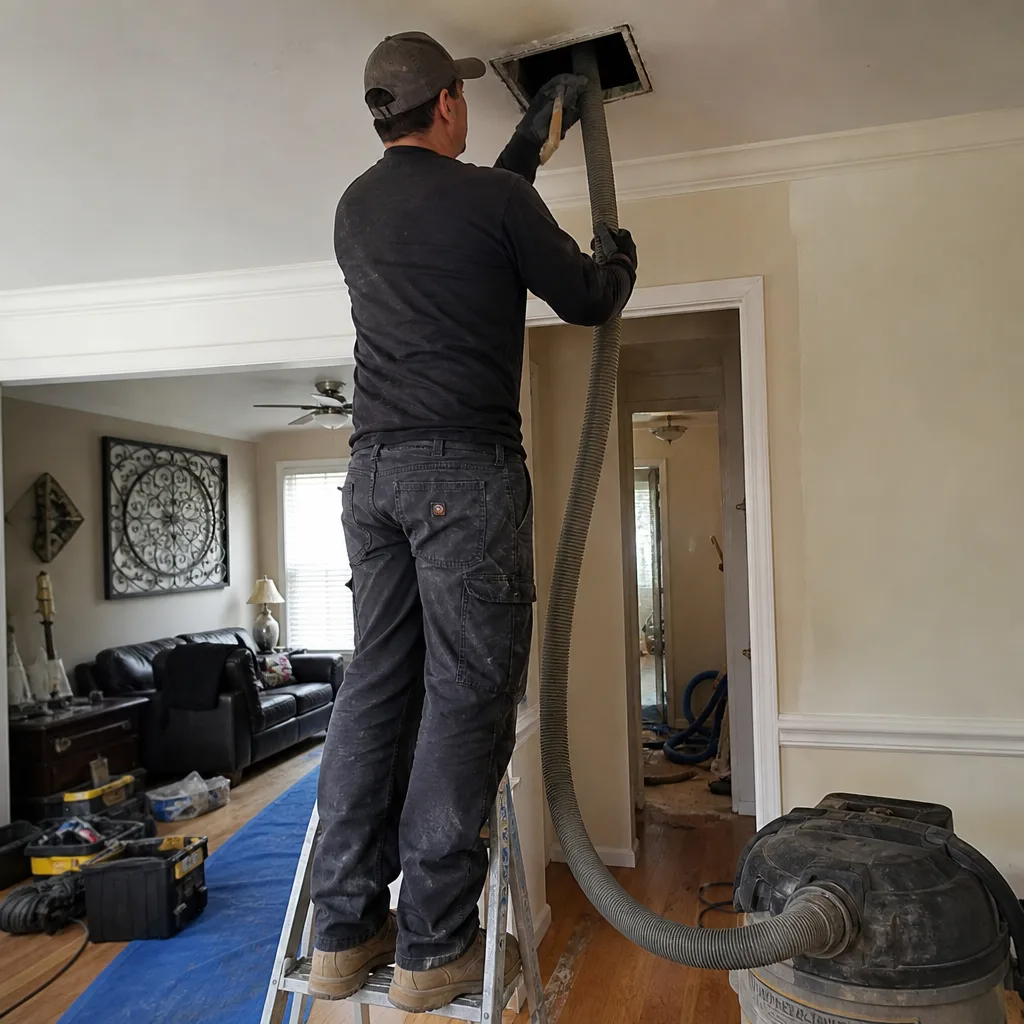 Before
 After
 Before
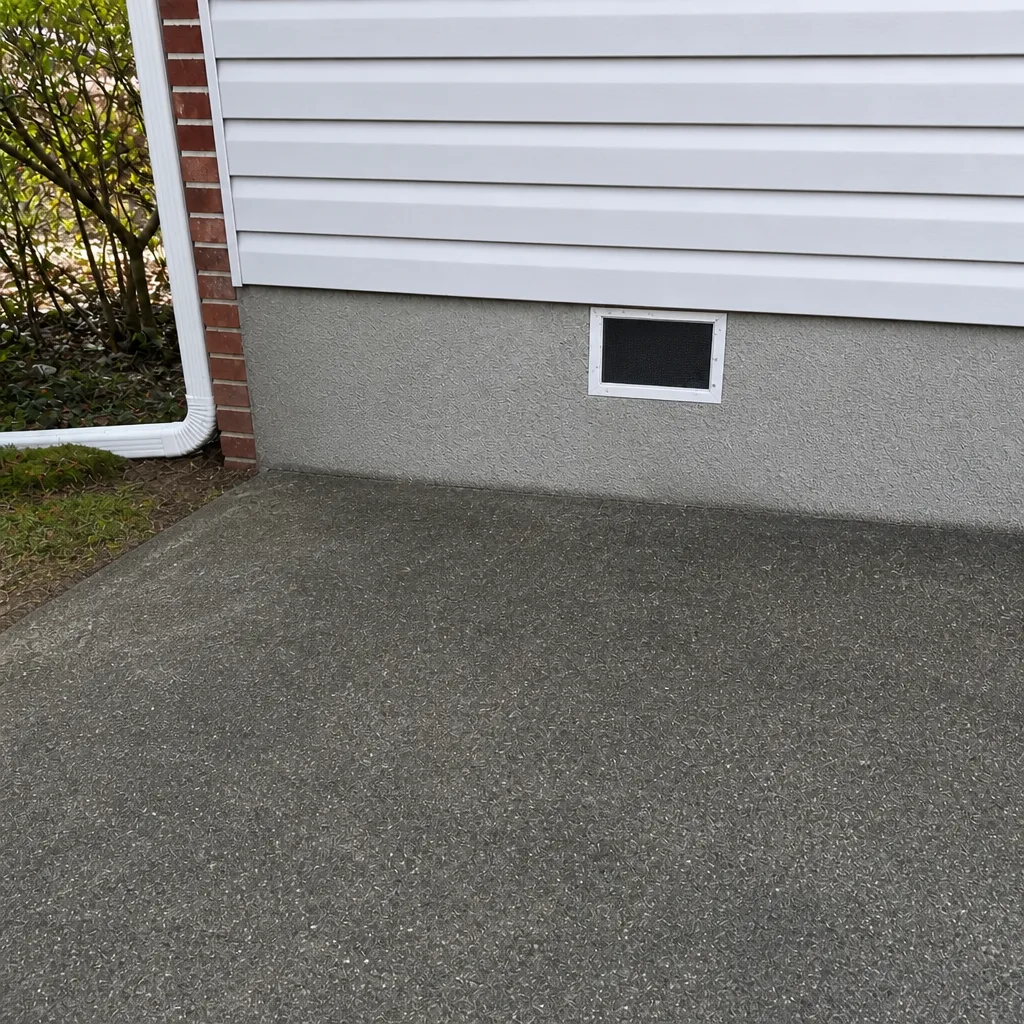 After
When to Call a Professional
Any time a duct cleaning conversation turns into a repair or installation proposal, that’s the moment to bring in licensed help. If you’re being told a trunk needs reconnecting, a UV system should be added, or that mold has been found inside the system, stop and get licensing clarified before work begins. The same is true if you’re noticing musty odors from registers, recurring allergy symptoms that seem tied to the HVAC system, visible debris blowing out of vents, or a dryer vent that’s taking longer and longer to dry a load. Those are signs that a professional inspection, and possibly cleaning or repair, is due. We handle the cleaning side with professional-grade equipment, including Rotobrush and Nikro systems and Abatement Technologies filtration, and we tell you clearly when a job crosses into mechanical or remediation territory that requires a different license. Duct Cleaning Cary offers free estimates in Cary; call (833) 608-1198.
Frequently Asked Questions
No, plain air duct cleaning does not require a permit in Cary. Only when the work crosses into mechanical modification, such as replacing or reconnecting ductwork, adding runs, or installing equipment inside the air handler, does a Town of Cary mechanical permit become necessary. Call (833) 608-1198 for an exact quote on your situation, and we’ll tell you which category the work falls into before anything starts. We answer 24/7.
Section M1601 of the North Carolina Residential Code sets the standards for duct materials, installation, sealing, support, and access. It’s the section most relevant when duct work gets modified, because it governs how duct joints are sealed, how ducts are supported, and what access is expected. Duct cleaning on an existing, unmodified system doesn’t fall under a permit trigger, but a modification should be installed to M1601 standards and inspected.
The Town of Cary issues residential mechanical, plumbing, electrical, and building permits for work inside town limits. Wake County handles certain site and environmental items, and county-level permitting applies outside the town’s jurisdiction. If you’re not sure which applies to your property, the Town of Cary permit office will confirm it for you in a phone call.
In most cases, yes. Installing a UV purifier, sanitizer, or powered air purifier inside the air handler cabinet or duct plenum is mechanical and often electrical modification, and should be permitted through the Town of Cary and performed by a licensed mechanical contractor. Honeywell and Aprilaire both make quality products for this use, but the installation still requires licensing. Call (833) 608-1198 if you want to talk through a specific install quote.
Yes, when the work crosses from cleaning into mold remediation, North Carolina’s mold contractor licensing rules apply. A company performing remediation on duct interiors is expected to hold the appropriate state license. A duct cleaning company without that credential should not be performing the removal, even if the growth is confined to the duct system.
Ask for the specific license category before hiring: cleaning alone requires no specialty license, but mechanical repair needs a mechanical contractor license and mold remediation needs a mold contractor license. Verify through the NC Licensing Board for General Contractors and the NC Licensing Board for the relevant trade. Request a certificate of insurance in the same conversation. Call (833) 608-1198 with questions about our scope, and we’ll tell you exactly what’s involved in your job.
The Bottom Line
Duct cleaning in Cary is simple: no permit required, no remediation licensing touched, just a professional cleaning with the right equipment. The complexity arrives the moment a company starts proposing repairs, reconnections, equipment installs, or mold work. Those are licensed, permitted activities, and the record follows the house. Before any work that crosses that line, ask which category it’s in, verify the license, and confirm who’s pulling the permit. Our technicians have up to 12 years of experience, and we tell homeowners exactly where cleaning stops and mechanical work begins. The estimate is free and set per job in writing, so the permit question and the price question can both be settled before anyone shows up.
If you’re not sure which category your job is in, or you want an honest read on whether your ducts need cleaning, remediation, or repair, call (833) 608-1198. We answer 24/7. Fast dispatch from 7am to 7pm, Sunday through Friday, and closed Saturday. We cover Cary and the surrounding Wake County area, and we handle both dryer vent cleaning and duct cleaning, but the fastest way to get an answer is to reach out and tell us what you’re dealing with.
Written by the team at Duct Cleaning Cary.